
The Bad Effects of Brainrot Content on Kids
This is an awareness

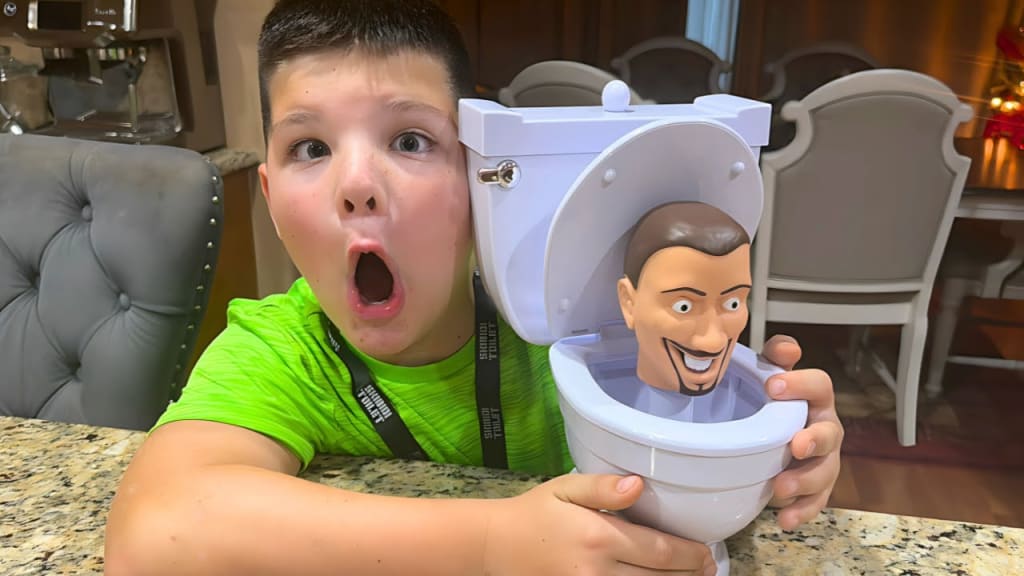
In today’s digital age, children are increasingly exposed to “brainrot” content—fast-paced, mindless videos or games that provide instant gratification but little educational value. While such content may seem harmless at first, overexposure can have serious consequences on a child’s mental and emotional development.
One major concern is reduced attention span. Brainrot content is designed to be addictive, with rapid scene changes and overstimulation that make it difficult for children to focus on slower, more meaningful tasks like reading or studying. This can hinder academic performance and overall cognitive growth.
Additionally, constant exposure to shallow content can weaken critical thinking skills. Children may begin to prefer quick entertainment over engaging in creative play, deep learning, or problem-solving activities. Emotional development may also be affected, as such content often lacks real-life values, empathy, or meaningful communication.
Finally, addiction to this type of media can lead to mood swings, irritability and even social withdrawal. As children spend more time online, they may neglect real-world relationships and physical activity, both of which are essential for healthy developmentParents and guardians must monitor screen time and encourage enriching, age-appropriate content that supports learning and emotional growth, rather than stunting it.
Two harmful example of Kids popular brainrot content :

Italian brainrot refers to a trend where people, especially youth, become obsessed with exaggerated, often absurd portrayals of Italian culture—such as over-the-top accents, pasta memes, or chaotic TikTok AI content. While often humorous, this trend can reduce a rich and complex culture to a stereotype, promoting shallow understanding. It distracts from genuine appreciation of Italian history, language, and art, and may contribute to cultural disrespect. For some, the brainrot content becomes addictive, replacing thoughtful media with endless, low-effort jokes. These type of contents completely made by AI. It’s important to balance humor with awareness, so Italian culture isn’t reduced to a meme factory in the digital age.

Skibidi Toilet brainrot refers to the obsession with bizarre, chaotic videos featuring talking toilets and disjointed storylines, often popular among kids. As of late 2023, the “Skibidi Toilet” series had amassed over 65 billion views on YouTube, making it one of the platform’s most-watched phenomena. The series, created by Alexey Gerasimov and hosted on the DaFuq!?Boom! channel, gained immense popularity among Generation Alpha, particularly children under 13, despite not being featured on YouTube Kids .
The DaFuq!?Boom! channel experienced rapid growth, reaching 37 million subscribers by December 2023, with its growth rate at times surpassing that of MrBeast, one of YouTube’s most-subscribed channels . The channel’s videos, including the “Skibidi Toilet” series, have consistently garnered millions of views, contributing to its massive view count. 
The series’ unique blend of surreal humor and bizarre visuals resonated with younger audiences, leading to widespread meme culture and fan creations across platforms like TikTok and Roblox. By July 2024, the hashtag #skibiditoilet had garnered over 23 billion views on TikTok .
Overall, “Skibidi Toilet” stands as a testament to the viral potential of internet content, especially when it taps into the cultural zeitgeist of younger generations. While it may seem funny or harmless, overexposure can have negative effects. These videos are fast-paced, loud, and lack meaningful content, which can shorten attention spans and reduce interest in educational or creative activities. The surreal and often violent themes may also confuse young minds, affecting emotional development. Children addicted to such content may struggle with focus, real-world social interaction, and proper language use.
Why did I say “harmful” before?
As you know this type of content doesn’t teach you anything about your real life. So you’re just wasting your time for watching. To me wasting precious time refers “harmful” to me.
How to protect your kids from this :
Protecting kids from brainrot content—mindless, overstimulating, and often inappropriate media—requires a mix of awareness, guidance, and active involvement. Here are some effective steps:
1. Set Screen Time Limits: Use parental controls to limit daily usage and prevent binge-watching low-quality content.
2. Curate Content: Encourage educational, creative, and age-appropriate shows, games, and channels. Platforms like YouTube Kids allow for filtering and restrictions.
3. Watch Together: Co-viewing helps parents understand what kids are watching and opens chances to discuss what’s appropriate.
4. Promote Real-Life Activities: Encourage reading, outdoor play, arts, and hobbies to reduce screen dependency.
5. Teach Media Literacy: Help kids understand the difference between fun and harmful content, and why some videos are designed just to grab attention.
6. Be a Role Model: Kids copy adults—if they see you balancing screen time and engaging in healthy habits, they’ll be more likely to do the same.
7. Use Tech Tools Wisely: Enable app limits, safe browsing, and child-friendly settings on devices.
By being proactive and involved, parents can protect their children’s mental and emotional development from the negative effects of brainrot content.
It’s not Just a paragraph or article, it’s an awareness for you and your kids!
Thank you so much for patiently reading this. Hope this is helpful to you.
About the Creator
Enjoyed the story? Support the Creator.
Subscribe for free to receive all their stories in your feed.
Comments
There are no comments for this story
Be the first to respond and start the conversation.