
The Art and Science of SEO: Analyzing What It Does for Your Business
What SEO Does for Your Business?
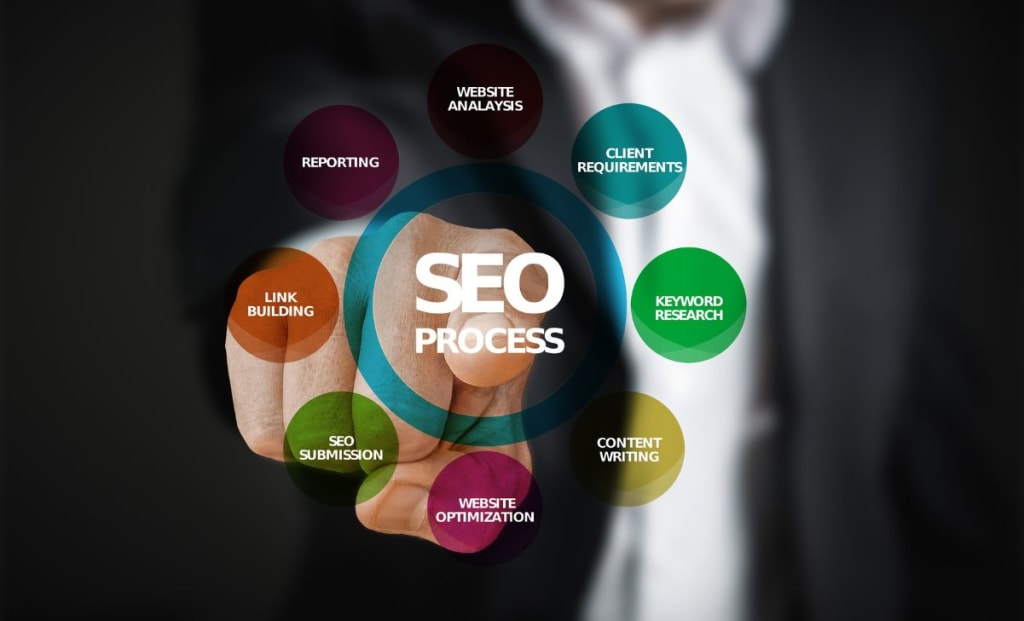
Search engine optimization (SEO) is one of the most important marketing strategies for businesses nowadays.
It involves optimizing a website, its content, and its overall structure to rank higher in search engine results pages (SERPs) for relevant keywords and phrases.
In this article, we will delve into the art and science of SEO, its importance, how it can help businesses, and the best practices to follow.
The Basics of SEO
Understanding Search Engines
At its core, SEO is about understanding search engines and how they function. Google's algorithm uses hundreds of factors to determine the ranking of websites in SERPs.
These factors include on-page and off-page optimization, site architecture, content quality, keywords, and backlinks.
On-Page Optimization
On-page optimization is about optimizing your website's content and HTML source code. This includes meta tags, headers, images, and internal links.
Off-Page Optimization
Off-page optimization includes building backlinks to your website from other high-quality sources. This helps to demonstrate your website's authority and relevance to search engines.
Keyword Research
Keyword research is the process of identifying the keywords and search terms that your target audience is using to find your products or services. This helps to optimize your content and website structure to rank higher for those keywords.
Content Creation
Content creation is about creating high-quality and engaging content that meets the needs of your target audience. This can include blog posts, videos, infographics, and other forms of content.
Link Building
Link building is about building high-quality and relevant backlinks from other websites. This helps to improve your website's authority and relevance, which can increase your search engine rankings. It is one of the most important parts of off-page SEO.
Site Architecture
Site architecture is about organizing your website's content, structure, and navigation to improve usability and search engine rankings.
How SEO Helps Your Business?
Increased Website Traffic
SEO can help to increase your website's traffic by improving its visibility in search engine results pages.
Improved Visibility and Brand Awareness
SEO can also help to improve your website's visibility and brand awareness, which can translate into increased sales and revenue.
Better User Experience
SEO can also help to improve your website's user experience, which can improve customer satisfaction and loyalty.
High ROI
SEO has a high return on investment (ROI) compared to other marketing strategies. This is because SEO strategies have a long-term impact on your website's visibility and traffic.
Edge Over Competitors
SEO can also give your business an edge over its competitors by improving your website's visibility in search results and attracting more customers.
Better Understanding of Your Customers
SEO can also help you to better understand your customers by analyzing their behavior on your website and adapting your content and marketing strategies accordingly.
The Role of Data in SEO
Web Analytics
Web analytics tools like Google Analytics can help you to track and analyze your website's traffic, behavior, and user engagement.
SEO Metrics
SEO metrics like keywords rankings, backlink profiles, and traffic sources can help you to track your SEO performance and make data-driven decisions.
Tools for Tracking Performance
There are many tools available to help you track your SEO performance, including Google Search Console, SEMrush, Ahrefs, and Moz.
The Science of SEO
How Search Engines Work?
Search engines like Google use complex algorithms and ranking factors to determine the relevance and authority of websites on the internet.
Algorithm Updates and Changes
Search engine algorithms are constantly changing and evolving, which means staying up-to-date with the latest trends and updates is crucial for SEO success.
Semantic Search and Entities
Semantic search and entities are a new development in search engine algorithms that help to provide more relevant and semantic search results.
Voice Search and Mobile Optimization
Voice search and mobile optimization are two important trends in SEO that can help businesses to rank higher in search results and improve the user experience for mobile users.
Technical SEO
Technical SEO refers to the optimization of your website's technical elements, including site speed, security, and code structure.
Best SEO Practices
Relevant and Engaging Content
Creating high-quality and engaging content that meets the needs of your target audience is a key aspect of SEO success.
User-Friendly Website Design
A user-friendly website design that is easy to navigate and provides a positive user experience is crucial for higher search engine rankings.
Page Optimization and Site Speed
Optimizing your website's pages and images for faster load times can help improve your search engine rankings and user experience.
High-Quality Backlinks
Building high-quality and relevant backlinks from trusted sources can help build your website's authority and relevance.
Social Media Engagement
Engaging with your audience on social media can help improve your website's visibility, reach, and engagement.
Local SEO Optimization
Optimizing your website for local SEO is crucial for businesses that want to attract customers from a specific geographic location.
Branding and Reputation Management
Building a strong brand reputation and managing your online reputation is important for SEO success and attracting new customers.
Latest SEO Trends
Use of Video Content
Video content is becoming more important in SEO, as it provides an engaging and interactive way to communicate with your target audience.
SERP Features, Snippets, and Schema Markup
SERP features, snippets, and schema markup can help improve your website's visibility and stand out in search results.
Focus on User Intent
Search engines are focusing more on user intent and providing search results based on the user's intent rather than keywords alone.
Common SEO Mistakes and How to Avoid Them
Keyword Stuffing
Keyword stuffing can hurt your website's search engine rankings and result in penalties.
Duplicate Content
Duplicate content can result in penalties from search engines and hurt your website's authority and relevance.
Poor Quality Backlinks
Poor-quality backlinks from untrusted sources can hurt your website's authority and relevance.
Ignoring Mobile Optimization
Ignoring mobile optimization can result in a poor user experience and hurt your search engine rankings.
Neglecting Updates and Maintenance
Neglecting updates and maintenance can result in lower search engine rankings and a poor user experience.
Poor User Experience
A poor user experience can result in lower website traffic and hurt your search engine rankings.
Measuring the Success of Your SEO Efforts
Key Performance Indicators (KPIs)
Identifying and tracking key performance indicators like traffic, engagement, and conversions can help measure the success of your SEO efforts.
Conversion Tracking
Tracking conversions like form submissions and sales can help you determine the ROI of your SEO efforts.
Interpreting Data and Analytics
Interpreting data and analytics can help you make data-driven decisions and improve your search engine rankings and overall performance.
Making Necessary Adjustments
Making necessary adjustments based on your data and analytics can help improve your SEO strategy and results.
SEO for E-Commerce and Local Business
Importance of E-Commerce SEO
E-commerce SEO is crucial for businesses that rely on online sales to drive revenue.
How to Optimize Your E-Commerce Site?
Optimizing your e-commerce site for search engines involves optimizing product pages, category pages, and improving user experience.
Conclusion
In conclusion, SEO is a crucial aspect of digital marketing for businesses that want to improve their visibility in search engines, attract more customers, and improve their overall ROI.
By following best practices, staying up-to-date with the latest trends and algorithms, and tracking data and analytics, businesses can achieve SEO success and grow their bottom line in the process.
About the Creator
Bhanu Pratap Singh
SEO Professional
Enjoyed the story? Support the Creator.
Subscribe for free to receive all their stories in your feed.
Comments
There are no comments for this story
Be the first to respond and start the conversation.