
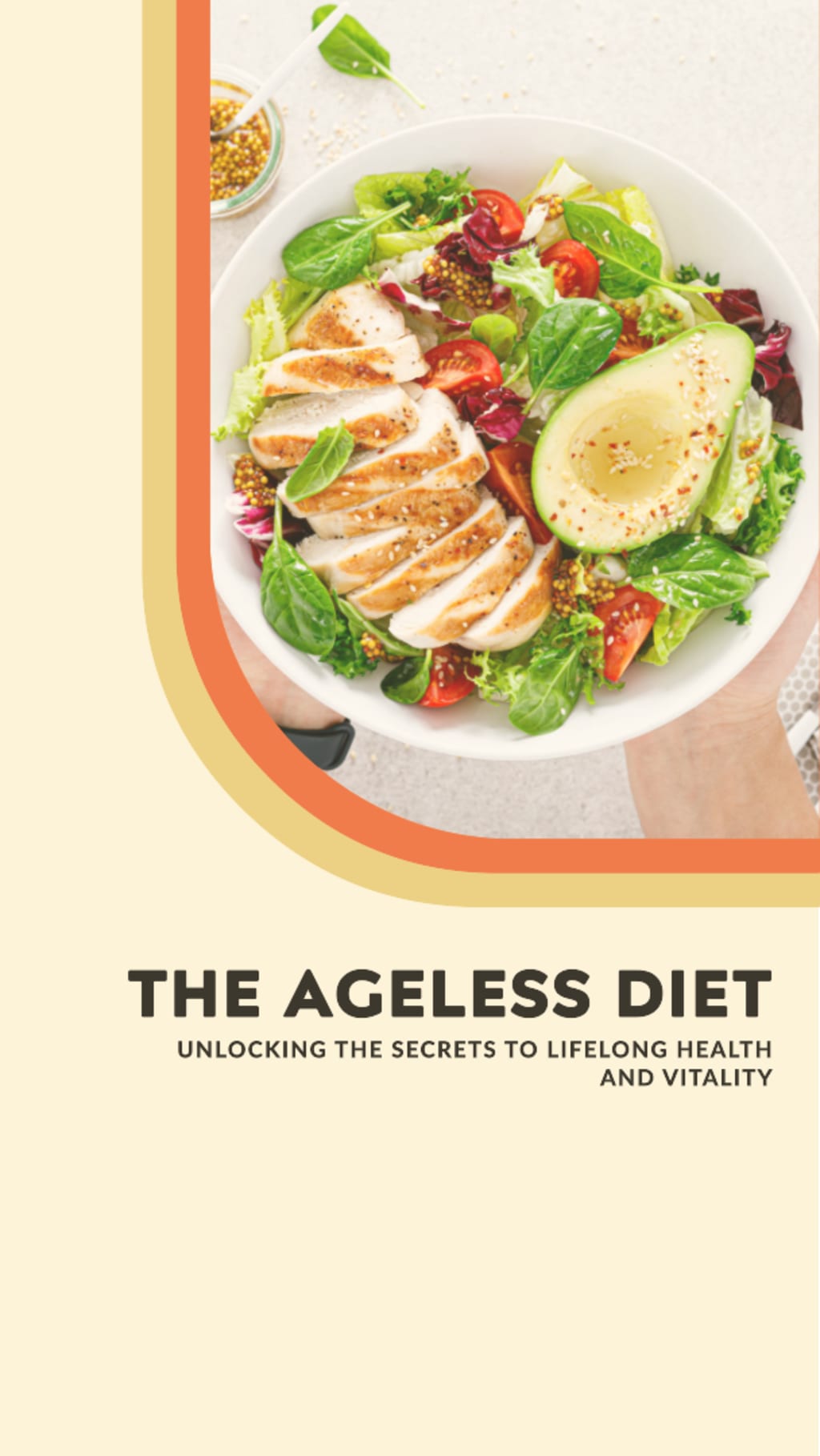
The Ageless Diet
Unlocking the Secrets to Lifelong Health and Vitality
Chapter 1: Understanding the Ageless Diet Lifestyle
Introduction to the Ageless Diet philosophy
Welcome to the transformative journey of the Ageless Diet, where we unlock the secrets to lifelong health and vitality. In a world where the pursuit of youthfulness and longevity has become a paramount concern, we often overlook the profound influence that our diet can have on the aging process. The Ageless Diet is not just another fad or quick fix; it is a holistic approach to nourishing your body, mind, and spirit for optimal well-being.
Exploring the connection between diet and aging
Have you ever wondered why some individuals seem to age gracefully while others experience a rapid decline in health and vitality? The answer lies in the profound impact that our dietary choices have on the aging process. Science has now revealed that what we eat plays a crucial role in determining our cellular health, DNA integrity, and overall well-being as we age. By understanding the connection between diet and aging, we can harness the power of nutrition to not only enhance our longevity but also improve the quality of our lives.
Unveiling the key principles of the Ageless Diet
The Ageless Diet is built upon a foundation of evidence-based research, ancient wisdom, and modern nutritional science. It embraces the notion that food is not just fuel but a powerful medicine that can nourish our bodies, support our vitality, and slow down the aging process. The key principles of the Ageless Diet encompass a balanced approach to nutrition, emphasizing the consumption of whole, nutrient-dense foods while minimizing processed and inflammatory substances.
One of the core principles of the Ageless Diet is the importance of consuming a wide variety of fresh fruits and vegetables. These vibrant and colorful plant-based foods provide a wealth of essential vitamins, minerals, antioxidants, and phytonutrients that support cellular health and combat the damaging effects of free radicals in our bodies.
Another fundamental principle of the Ageless Diet is the emphasis on healthy fats. Contrary to popular belief, not all fats are created equal. Incorporating sources of healthy fats, such as avocados, nuts, seeds, and olive oil, into our daily meals can promote brain health, reduce inflammation, and support optimal hormone production.
Furthermore, the Ageless Diet recognizes the significance of mindful eating. By slowing down, savoring each bite, and cultivating a deeper connection with our food, we can enhance digestion, improve nutrient absorption, and foster a healthier relationship with eating.
In the upcoming chapters, we will delve deeper into these key principles and explore practical strategies to implement the Ageless Diet into your daily life. Together, we will unlock the secrets to lifelong health and vitality, empowering you to embrace the ageless version of yourself.
So, are you ready to embark on this transformative journey? Get ready to nourish your body, rejuvenate your spirit, and unlock the secrets to a truly ageless existence. The power is within your reach, and the Ageless Diet will be your guide.
Chapter 2: The Power of Nutrient-Dense Foods
Nutrition is the cornerstone of the Ageless Diet, and in this chapter, we will explore the power of nutrient-dense foods and how they can unlock the secrets to longevity and vitality.
Identifying the top nutrient-dense foods for longevity
When it comes to nourishing our bodies for optimal health and aging gracefully, not all foods are created equal. Nutrient-dense foods are the superheroes of the culinary world, packed with an abundance of vitamins, minerals, antioxidants, and other essential compounds that support our overall well-being.
In this section, we will delve into the realm of nutrient-dense foods and identify the top contenders for longevity. Leafy greens like kale, spinach, and Swiss chard are excellent sources of vitamins A, C, K, and folate, as well as minerals like calcium and magnesium. Berries, such as blueberries, strawberries, and raspberries, are rich in antioxidants, which help combat inflammation and oxidative stress in the body. Cruciferous vegetables like broccoli, cauliflower, and Brussels sprouts contain potent compounds that support detoxification and reduce the risk of chronic diseases. Other nutrient powerhouses include fatty fish like salmon and sardines, which are abundant in omega-3 fatty acids, as well as nuts, seeds, and legumes that provide a variety of essential nutrients.
Understanding the benefits of antioxidants and phytonutrients
Antioxidants and phytonutrients are remarkable compounds found in plant-based foods that play a vital role in our health and well-being. Antioxidants work to neutralize harmful free radicals in our bodies, protecting our cells from damage and reducing the risk of chronic diseases associated with aging. Phytonutrients, on the other hand, are plant-specific compounds that have been shown to possess a wide range of health benefits, including anti-inflammatory and anti-cancer properties.
In this section, we will explore the fascinating world of antioxidants and phytonutrients, delving into the science behind their protective effects. We will learn about the different types of antioxidants found in foods, such as vitamins C and E, beta-carotene, and flavonoids, and how they can help slow down the aging process and promote longevity. We will also uncover the various categories of phytonutrients, such as polyphenols, carotenoids, and phytosterols, and their specific roles in supporting our health.
Incorporating superfoods into your daily meals
Superfoods have gained immense popularity in recent years, and for good reason. These nutrient-dense powerhouses provide an extra dose of health-promoting compounds that can enhance our well-being and contribute to our ageless journey.
In this section, we will explore the world of superfoods and discover creative ways to incorporate them into our daily meals. We will dive into the benefits of superfoods such as quinoa, chia seeds, turmeric, matcha, and spirulina. We will provide simple and delicious recipes that showcase the versatility of these superfoods, allowing you to reap their benefits while enjoying a diverse and flavorful diet.
By harnessing the power of nutrient-dense foods, antioxidants, and phytonutrients, we can nourish our bodies at a cellular level, supporting longevity and vibrant health. So, get ready to fill your plate with a rainbow of colors and embark on a culinary adventure that will not only satisfy your taste buds but also unlock the secrets to an ageless existence.
Chapter 3: Nourishing from Within: The Role of Gut Health
The gut, often referred to as the "second brain," plays a pivotal role in our overall health and well-being. In this chapter, we will delve into the fascinating world of the gut microbiome and discover how nurturing our gut health can unlock the secrets to aging gracefully.
Exploring the gut microbiome and its impact on aging
The gut microbiome is a complex community of trillions of microorganisms, including bacteria, viruses, and fungi, that reside in our digestive tract. This diverse ecosystem not only aids in digestion but also plays a crucial role in various aspects of our health, including immune function, nutrient absorption, metabolism, and even our mental well-being.
In this section, we will explore the fascinating connection between the gut microbiome and the aging process. Scientific research has revealed that an imbalance in the gut microbiome, known as dysbiosis, can contribute to chronic inflammation, weakened immunity, and an increased risk of age-related diseases. Conversely, a healthy and diverse gut microbiome can support longevity, enhance nutrient absorption, and promote overall vitality.
Strategies for improving gut health through diet
The good news is that we have the power to influence and improve the health of our gut microbiome through our dietary choices. In this section, we will uncover practical strategies to optimize gut health and promote a flourishing gut microbiome.
We will explore the importance of incorporating fiber-rich foods into our diet, such as fruits, vegetables, whole grains, and legumes. Dietary fiber serves as nourishment for beneficial gut bacteria, helping them thrive and maintain a healthy balance. We will also discuss the significance of prebiotic foods, which contain fibers that specifically support the growth of beneficial bacteria.
Additionally, we will delve into the role of probiotics, which are live beneficial bacteria found in certain foods and supplements. Probiotics can help restore and maintain a healthy gut microbiome by introducing beneficial bacteria into the digestive system. We will explore various food sources of probiotics, such as fermented foods like yogurt, sauerkraut, kimchi, and kefir, as well as discuss the potential benefits of probiotic supplements.
Fermented foods and their benefits for a healthy gut
Fermented foods have been a part of traditional diets across the globe for centuries, and they offer numerous benefits for our gut health. Fermentation is a natural process that involves the breakdown of carbohydrates by beneficial bacteria, leading to the production of lactic acid and other compounds.
In this section, we will dive into the world of fermented foods and uncover their benefits for a healthy gut. We will explore the various types of fermented foods, such as yogurt, kefir, kombucha, tempeh, and miso, and discuss their specific strains of beneficial bacteria. We will also highlight the potential advantages of consuming fermented foods, including improved digestion, enhanced nutrient absorption, and a strengthened immune system.
By understanding the intricate relationship between our gut microbiome and aging, implementing strategies to improve gut health through diet, and incorporating fermented foods into our meals, we can nurture our bodies from within. A healthy gut sets the stage for optimal health and vitality, supporting our ageless journey. So, let's embark on this gut-healing adventure and unlock the secrets to a vibrant and thriving existence.
Chapter 4: Mastering Macronutrients: Finding Balance in Every Bite
In the realm of nutrition, macronutrients play a crucial role in fueling our bodies and supporting optimal health. In this chapter, we will delve into the importance of carbohydrates, proteins, and fats, and discover how to choose the right sources of macronutrients for a well-rounded and ageless diet. We will also explore the art of balancing macronutrients to achieve sustained energy and vitality.
Understanding the importance of carbohydrates, proteins, and fats
Carbohydrates, proteins, and fats are the three primary macronutrients that provide the necessary building blocks for our bodies. Each macronutrient has unique roles and functions, and understanding their importance is key to nourishing our bodies for optimal health and vitality.
Carbohydrates are our body's preferred source of energy. They provide glucose, which fuels our brain, muscles, and cells. It's important to choose complex carbohydrates, such as whole grains, fruits, and vegetables, as they are rich in fiber, vitamins, and minerals, while also offering a slower release of energy.
Proteins are the building blocks of our body's tissues and play a vital role in various physiological processes. They are essential for muscle growth, repair, and maintenance, as well as for the production of enzymes, hormones, and antibodies. Opt for lean sources of protein like poultry, fish, legumes, nuts, and seeds to meet your body's needs.
Fats are often misunderstood but are essential for our health. They provide energy, support cell growth, protect vital organs, and aid in the absorption of fat-soluble vitamins. Choose sources of healthy fats like avocados, olive oil, nuts, and seeds, while minimizing saturated and trans fats.
Choosing the right sources of macronutrients for optimal health
Not all carbohydrates, proteins, and fats are created equal. The quality and source of macronutrients greatly impact their impact on our health. In this section, we will explore how to make wise choices when it comes to macronutrients.
For carbohydrates, focus on whole, unprocessed foods. Opt for colorful fruits and vegetables, whole grains like quinoa and brown rice, and legumes that provide a range of nutrients and fiber. Limit refined carbohydrates like white bread, sugary treats, and processed snacks, as they offer little nutritional value.
When it comes to proteins, aim for a variety of sources. Incorporate lean animal proteins like poultry, fish, and eggs, but also include plant-based sources such as beans, lentils, tofu, and tempeh. This diversity ensures a balanced intake of essential amino acids.
When choosing fats, prioritize unsaturated fats over saturated and trans fats. Incorporate foods like avocados, olive oil, nuts, seeds, and fatty fish like salmon and sardines. These healthy fats provide essential fatty acids and promote heart health.
Balancing macronutrients for sustained energy and vitality
Achieving a balance of macronutrients is essential for sustained energy levels and overall well-being. In this section, we will discuss the art of balancing macronutrients to support vitality and agelessness.
Start by focusing on portion sizes. A well-balanced plate should consist of approximately 50% non-starchy vegetables, 25% lean protein, and 25% whole grains or other complex carbohydrates. This balanced ratio ensures a steady release of energy, while providing a wide range of nutrients.
Additionally, consider the timing of macronutrients throughout the day. Aim for regular meals and snacks that include a combination of carbohydrates, proteins, and fats. This approach helps maintain stable blood sugar levels, supports sustained energy, and prevents excessive cravings.
Lastly, listen to your body's cues. Pay attention to how different macronutrients make you feel. Experiment with different ratios and adjust accordingly based on your individual needs and preferences. Remember, balance is key.
By understanding the importance of carbohydrates, proteins, and fats, choosing the right sources, and balancing macronutrients, we can fuel our bodies with the nutrients they need to thrive. The Ageless Diet embraces the power of macronutrients to support vitality and promote optimal health at any age. Let's master the art of balance in every bite and unlock the secrets to an ageless and nourished existence.
Chapter 5: Mindful Eating: Cultivating Awareness and Connection
In a fast-paced world filled with distractions, mindful eating provides a powerful tool for reconnecting with our food, our bodies, and our overall well-being. In this chapter, we will explore the art of mindful eating and its profound impact on our health. We will delve into techniques to slow down and savor our meals, and we will guide you in building a mindful eating practice for lifelong nourishment.
The art of mindful eating and its impact on health
Mindful eating is the practice of bringing our full attention and awareness to the present moment as we eat. It involves engaging all our senses and tuning into our body's signals of hunger, fullness, and satisfaction. By slowing down and savoring each bite, we can cultivate a deeper connection with our food and gain a greater understanding of our body's needs.
Research has shown that mindful eating can have numerous benefits for our health. It can help prevent overeating and promote weight management by enhancing our awareness of hunger and fullness cues. It can improve digestion and nutrient absorption by allowing us to properly chew and savor our food. Mindful eating also fosters a healthier relationship with food, reducing emotional eating and promoting a sense of satisfaction and enjoyment.
Techniques to slow down and savor your meals
In our fast-paced society, it's common to rush through meals or eat while multitasking. However, by slowing down and savoring our meals, we can truly nourish our bodies and enhance our eating experience. Here are some techniques to cultivate mindfulness during meals:
1. Take a moment of gratitude: Before diving into your meal, pause for a moment to express gratitude for the food on your plate. Reflect on the journey it took to reach your table and the nourishment it will provide.
2. Engage your senses: Notice the colors, textures, and aromas of your food. Take a moment to appreciate the visual beauty and inviting aroma before taking your first bite.
3. Chew slowly and mindfully: Take small bites and chew your food thoroughly. Notice the flavors, textures, and sensations in your mouth. Savor each bite and pay attention to how the flavors evolve.
4. Practice mindful pauses: Put your utensils down between bites and take a mindful pause. Take a few breaths, tune into your body's sensations, and assess your level of hunger and fullness.
Building a mindful eating practice for lifelong nourishment
Mindful eating is a skill that can be cultivated and integrated into our daily lives. By building a mindful eating practice, we can nourish our bodies and cultivate a positive relationship with food for a lifetime. Here are some steps to help you get started:
1. Set aside dedicated mealtime: Create a calm and inviting environment for your meals. Minimize distractions, such as screens or work-related activities, and focus on the present moment.
2. Start with one meal a day: Begin by practicing mindfulness during one meal each day. Choose a meal that is most convenient for you and gradually expand your practice to other meals.
3. Check in with your body: Before each meal, pause and check in with your body. Are you truly hungry? What does your body need in this moment? Use this awareness to guide your food choices and portion sizes.
4. Practice self-compassion: Be kind to yourself throughout your mindful eating journey. Let go of judgment and embrace a non-judgmental attitude towards your eating experiences. Remember, this is a practice, and each moment is an opportunity to learn and grow.
By incorporating mindful eating into your lifestyle, you can develop a deeper connection with your body, enhance your relationship with food, and nourish yourself on a physical, mental, and emotional level. Mindful eating is a
powerful tool on the ageless journey, guiding us towards lifelong nourishment and well-being.
Chapter 6: Supercharging Your Energy: Nutrition for Vitality
In our modern and demanding lives, maintaining optimal energy levels is essential for thriving and embracing an ageless lifestyle. In this chapter, we will explore how nutrition plays a vital role in supercharging your energy. We will discuss strategies for optimizing energy levels through diet, identify foods that promote sustained energy throughout the day, and provide practical tips for overcoming fatigue and boosting vitality.
Optimizing energy levels through diet
The food we consume serves as fuel for our bodies, directly impacting our energy levels. By making intentional choices and incorporating energy-boosting nutrients into our diet, we can optimize our vitality. Here are some key factors to consider:
1. Balancing macronutrients: Ensure your meals include a balance of carbohydrates, proteins, and fats. Carbohydrates provide immediate energy, proteins support muscle repair and maintenance, and fats provide long-lasting fuel. Aim for a balanced plate that includes a variety of nutrient-dense foods.
2. Mindful portion control: Overeating can lead to feelings of sluggishness, while under-eating can leave you lacking energy. Practice mindful portion control by listening to your body's hunger and fullness cues. Eat until you feel satisfied, not overly stuffed or still hungry.
3. Hydration: Dehydration can contribute to fatigue and decreased cognitive function. Stay hydrated by drinking plenty of water throughout the day. Herbal teas, infused water, and electrolyte-rich beverages can also be beneficial.
Foods that promote sustained energy throughout the day
Certain foods possess specific properties that can help sustain energy levels and combat fatigue. Include the following energy-boosting foods in your diet:
1. Whole grains: Choose whole grain options like quinoa, brown rice, oats, and whole wheat bread. These complex carbohydrates provide a steady release of energy and are rich in fiber, vitamins, and minerals.
2. Leafy greens: Dark leafy greens such as spinach, kale, and Swiss chard are packed with essential nutrients like iron and magnesium. These nutrients support oxygen transport and energy production within the body.
3. Lean proteins: Incorporate lean sources of protein such as chicken, turkey, fish, tofu, and legumes. Proteins are essential for maintaining muscle mass, regulating metabolism, and providing a steady source of energy.
4. Healthy fats: Include sources of healthy fats such as avocados, nuts, seeds, and olive oil. These fats provide sustained energy, support brain health, and aid in the absorption of fat-soluble vitamins.
Strategies for overcoming fatigue and boosting vitality
In addition to optimizing your diet, there are several strategies you can implement to overcome fatigue and enhance your vitality:
1. Prioritize sleep: Quality sleep is essential for restoring energy levels. Establish a consistent sleep routine, create a relaxing environment, and practice good sleep hygiene habits.
2. Manage stress: Chronic stress can deplete your energy reserves. Incorporate stress-management techniques such as meditation, deep breathing exercises, yoga, or engaging in activities you enjoy.
3. Regular physical activity: Engage in regular physical activity to boost energy levels and enhance overall well-being. Find activities that you enjoy and make them a part of your routine.
4. Listen to your body: Pay attention to your body's signals and honor its needs. Take breaks when necessary, practice self-care, and engage in activities that recharge and rejuvenate you.
By optimizing your energy levels through a nourishing diet, incorporating energy-boosting foods, and implementing strategies to overcome fatigue, you can supercharge your vitality. Embrace the power of nutrition and lifestyle choices to fuel your body and live an ageless life filled with sustained energy and vibrancy.
Chapter 7: Anti-Inflammatory Eating: Reducing Chronic Inflammation
Inflammation is a natural process in the body that helps protect against injury and infection. However, when inflammation becomes chronic, it can contribute to various health issues and accelerate the aging process. In this chapter, we will explore the role of inflammation in aging and disease. We will discuss the importance of incorporating anti-inflammatory foods into your diet and explore how nutrition and lifestyle choices can help manage inflammation.
Understanding the role of inflammation in aging and disease
Chronic inflammation has been linked to a range of health conditions, including cardiovascular disease, diabetes, arthritis, and certain types of cancer. It can also contribute to the aging process by promoting oxidative stress and cellular damage. Understanding the underlying mechanisms of inflammation and its impact on health is crucial for adopting an anti-inflammatory eating approach.
Inflammation can be triggered by factors such as poor diet, sedentary lifestyle, stress, exposure to environmental toxins, and certain medical conditions. It is important to recognize the signs of chronic inflammation, such as persistent joint pain, fatigue, digestive issues, and skin problems. By addressing the root causes of inflammation, we can work towards reducing its impact on our overall well-being.
Incorporating anti-inflammatory foods into your diet
One of the most powerful tools we have to combat chronic inflammation is our diet. By choosing anti-inflammatory foods, we can support our body's natural healing processes and promote overall health. Here are some key components to consider when incorporating anti-inflammatory foods into your diet:
Emphasize fruits and vegetables: Colorful fruits and vegetables are rich in antioxidants and phytonutrients that help combat inflammation. Aim to include a wide variety of plant-based foods in your meals, including berries, leafy greens, cruciferous vegetables, and citrus fruits.
Choose omega-3 fatty acids: Omega-3 fatty acids have potent anti-inflammatory properties. Include fatty fish like salmon, sardines, and mackerel in your diet, or opt for plant-based sources such as chia seeds, flaxseeds, and walnuts.
Opt for whole grains: Whole grains like quinoa, brown rice, and oats are rich in fiber and antioxidants, which can help reduce inflammation. Avoid refined grains and processed carbohydrates, as they can contribute to inflammation.
Include healthy fats: Incorporate sources of healthy fats like avocados, olive oil, nuts, and seeds. These fats contain beneficial compounds that can help lower inflammation levels in the body.
Managing inflammation through nutrition and lifestyle choices
In addition to incorporating anti-inflammatory foods, there are other lifestyle choices that can help manage inflammation:
Limit processed foods: Processed foods often contain unhealthy fats, refined sugars, and additives that can trigger inflammation. Opt for whole, unprocessed foods whenever possible.
Reduce intake of inflammatory foods: Certain foods can promote inflammation in the body. Minimize or avoid consumption of foods high in trans fats, refined sugars, and excessive saturated fats.
Practice stress management: Chronic stress can contribute to inflammation. Explore stress-reducing techniques such as meditation, yoga, deep breathing exercises, and engaging in activities that bring you joy.
Get regular exercise: Physical activity helps reduce inflammation and promotes overall well-being. Incorporate a combination of cardiovascular exercise, strength training, and flexibility exercises into your routine.
By adopting an anti-inflammatory eating approach and making lifestyle choices that support inflammation management, you can take proactive steps towards promoting a healthy, ageless body. Remember, small changes in your daily habits can have a significant impact on reducing chronic inflammation and enhancing your overall vitality.
Chapter 8: Brain-Boosting Foods: Feeding Your Mind for Mental Clarity
Our brain is the command center of our body, and maintaining optimal cognitive function is essential for overall well-being. In this chapter, we will explore the fascinating link between diet and cognitive function. We will delve into the nutrients that support brain health and prevent cognitive decline, and guide you in creating a brain-healthy eating plan for enhanced mental clarity.
Exploring the link between diet and cognitive function
Research has shown that our dietary choices have a profound impact on brain health and cognitive function. Certain nutrients can support brain health, enhance memory, improve focus, and reduce the risk of age-related cognitive decline. By understanding the connection between diet and cognitive function, we can make informed choices to optimize our brain health.
Nutrients that support brain health and prevent cognitive decline
Several key nutrients play a crucial role in nourishing the brain and protecting it from cognitive decline. When incorporated into our diet, these nutrients can support optimal brain function. Here are some of the key nutrients to prioritize:
1. Omega-3 fatty acids: These essential fats are critical for brain health and have been linked to improved cognitive function. Include fatty fish like salmon, trout, and sardines in your diet, or choose plant-based sources such as chia seeds, flaxseeds, and walnuts.
2. Antioxidants: These powerful compounds help protect the brain from oxidative stress and inflammation. Include a variety of antioxidant-rich foods such as berries, dark chocolate, green tea, and colorful fruits and vegetables.
3. B vitamins: B vitamins, particularly B6, B12, and folate, play a vital role in brain health and cognitive function. Incorporate sources like leafy greens, legumes, eggs, lean meats, and fortified cereals into your meals.
4. Vitamin E: Vitamin E is a potent antioxidant that helps protect against age-related cognitive decline. Include sources such as almonds, sunflower seeds, spinach, and avocado in your diet.
Creating a brain-healthy eating plan for enhanced mental clarity
To harness the full potential of brain-boosting foods, it is essential to create a well-rounded eating plan that nourishes your mind. Here are some practical tips for creating a brain-healthy eating plan:
1. Prioritize whole foods: Choose whole, unprocessed foods that are rich in nutrients and free from additives and preservatives. Incorporate a variety of fruits, vegetables, whole grains, lean proteins, and healthy fats into your meals.
2. Include brain-boosting foods: Integrate brain-boosting foods into your daily diet. This includes fatty fish, berries, leafy greens, nuts, seeds, and antioxidant-rich foods.
3. Mindful portion control: Practice portion control to ensure you provide your brain with the nutrients it needs without overeating. Listen to your body's hunger and fullness cues and aim for balanced meals.
4. Stay hydrated: Proper hydration is essential for optimal brain function. Drink plenty of water throughout the day and incorporate hydrating foods like cucumbers, watermelon, and herbal teas.
5. Incorporate mental challenges: Alongside a brain-healthy diet, engage in activities that challenge your mind. Crossword puzzles, reading, learning new skills, and social interactions can all contribute to cognitive stimulation.
By adopting a brain-healthy eating plan, you can nourish your mind, enhance cognitive function, and protect against age-related cognitive decline. Remember, the choices you make in your daily diet can have a significant impact on your brain health and overall mental clarity. Embrace the power of nutrition to feed your mind and unlock your full cognitive potential.
Chapter 9: Longevity Secrets: Unlocking the Science of Aging
The pursuit of longevity has fascinated humanity for centuries. In this chapter, we will delve into the science behind aging and longevity, unraveling the mysteries of what contributes to graceful and vibrant aging. We will explore the role of anti-aging nutrients and foods that promote longevity, as well as lifestyle factors that play a significant role in the aging process.
Discovering the science behind aging and longevity
Aging is a complex biological process influenced by a combination of genetic, environmental, and lifestyle factors. Recent scientific research has shed light on the mechanisms of aging and how we can potentially influence them to promote longevity. Understanding the science behind aging allows us to make informed choices that positively impact our health and well-being as we age.
Key factors influencing the aging process include oxidative stress, inflammation, telomere length, and cellular damage. By exploring these factors and their interplay, we gain insights into strategies for healthy and graceful aging.
Anti-aging nutrients and foods that promote longevity
Certain nutrients and foods possess remarkable anti-aging properties, supporting cellular health and longevity. Including these in our diet can help promote healthy aging. Here are some key nutrients and foods to consider:
1. Antioxidants: Foods rich in antioxidants, such as berries, dark chocolate, green tea, and colorful fruits and vegetables, can combat oxidative stress, reduce inflammation, and protect against cellular damage.
2. Phytonutrients: Plant-based compounds like resveratrol (found in grapes and red wine) and curcumin (found in turmeric) have been shown to have anti-aging effects and contribute to longevity.
3. Omega-3 fatty acids: Omega-3 fatty acids, found in fatty fish, flaxseeds, and chia seeds, are renowned for their anti-inflammatory properties, supporting heart health and potentially extending lifespan.
4. Caloric moderation: Research suggests that caloric moderation, without malnutrition, may contribute to extended lifespan. Practicing portion control and choosing nutrient-dense foods can support healthy aging.
Lifestyle factors that contribute to graceful aging
In addition to nutrition, certain lifestyle factors have been associated with graceful aging. Incorporating these practices into our daily lives can have a profound impact on our well-being as we age. Here are some key lifestyle factors to consider:
1. Regular physical activity: Engaging in regular exercise, including both cardiovascular and strength training, can support cardiovascular health, maintain muscle mass, and enhance overall well-being.
2. Stress management: Chronic stress accelerates the aging process. Implement stress-reducing techniques such as mindfulness meditation, deep breathing exercises, and engaging in activities that bring you joy.
3. Quality sleep: Adequate sleep is crucial for cellular repair, cognitive function, and overall health. Aim for a consistent sleep routine and create a peaceful sleep environment.
4. Social connections: Strong social connections and a sense of community have been linked to improved health and longevity. Cultivate meaningful relationships and engage in social activities.
By understanding the science behind aging, incorporating anti-aging nutrients and foods into our diet, and embracing healthy lifestyle practices, we can unlock the secrets to graceful and vibrant aging. Embrace the power of nutrition and lifestyle choices to enhance your longevity and enjoy a fulfilling and ageless life.
Chapter 10: Sustaining the Ageless Diet: Making It a Lifestyle
Congratulations on embarking on the Ageless Diet journey! In this final chapter, we will discuss strategies for maintaining the Ageless Diet beyond the initial phase, overcoming challenges, and making it a sustainable lifestyle. We will explore the importance of incorporating exercise, stress management, and self-care practices into your Ageless Diet lifestyle for long-term success.
Strategies for maintaining the Ageless Diet beyond the initial phase
To make the Ageless Diet a lasting lifestyle, it is essential to develop strategies that support continued adherence to its principles. Here are some strategies to consider:
Meal planning and preparation: Plan your meals in advance and prepare them in batch quantities. This saves time, ensures you have nutritious meals readily available, and reduces the likelihood of resorting to unhealthy food choices.
Regular grocery shopping: Make a habit of regular grocery shopping, stocking up on fresh produce, lean proteins, whole grains, and other Ageless Diet staples. Having a well-stocked pantry and fridge makes it easier to make healthy choices.
Mindful indulgence: While the Ageless Diet emphasizes nutrient-dense foods, it's essential to find a balance that allows for occasional indulgences. Incorporate your favorite treats in moderation, practicing mindful eating and savoring the experience.
Overcoming challenges and staying motivated
Maintaining any dietary lifestyle can present challenges along the way. Here are some strategies to overcome common obstacles and stay motivated:
Support system: Surround yourself with a supportive network of family, friends, or like-minded individuals who share your commitment to health and wellness. They can provide encouragement, accountability, and inspiration when facing challenges.
Flexibility and adaptability: Recognize that life is full of unexpected events and circumstances that may challenge your dietary choices. Be flexible and adaptable, finding creative ways to make healthy choices even in challenging situations.
Celebrate small victories: Acknowledge and celebrate your progress, no matter how small. Set achievable goals, and when you reach them, reward yourself with non-food rewards such as a spa day, a new workout outfit, or a relaxing weekend getaway.
Incorporating exercise, stress management, and self-care into your Ageless Diet lifestyle
The Ageless Diet is not solely about nutrition—it encompasses a holistic approach to health and well-being. Exercise, stress management, and self-care practices play vital roles in maintaining an ageless and vibrant life. Here are some tips for incorporating these elements into your Ageless Diet lifestyle:
Regular exercise: Engage in regular physical activity that you enjoy, such as walking, jogging, cycling, swimming, or strength training. Find activities that align with your preferences and schedule, making it easier to stay consistent.
Stress management: Chronic stress can undermine your health and well-being. Incorporate stress management techniques such as meditation, yoga, deep breathing exercises, or engaging in hobbies and activities that help you unwind and relax.
Self-care practices: Prioritize self-care to nourish your body, mind, and soul. This can include activities such as getting enough sleep, practicing gratitude, journaling, spending time in nature, or pampering yourself with activities you enjoy.
Remember, sustaining the Ageless Diet is about finding a balance that works for you and fits into your lifestyle. It's not about perfection but rather progress and making mindful choices that support your overall health and well-being. By incorporating exercise, stress management, and self-care practices into your Ageless Diet lifestyle, you will cultivate a sustainable and fulfilling approach to lifelong health and vitality.
About the Creator
Enjoyed the story? Support the Creator.
Subscribe for free to receive all their stories in your feed.
Comments