
The 5 Best EHR Features to Improve Clinical Efficiency & Charting Productivity In 2023
Best EHR Features to Improve Clinical Efficiency

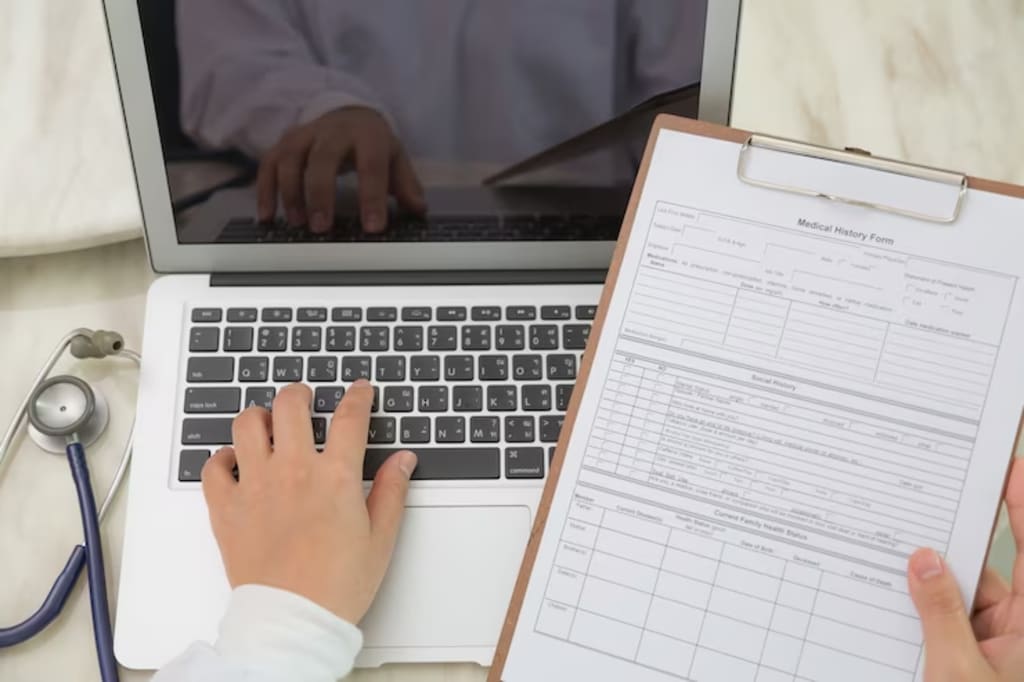
EHRs have proven to be a valuable asset to medical practices in increasing patient care, streamlining workflows, and ensuring accurate documentation. One of the most important advantages of EHRs is the ability to speed up the clinical documentation process while improving its precision. According to The Office of the National Coordinator for Health Information Technology (ONC), routine tasks like filling out forms and processing billing requests consume a substantial portion of healthcare expenses. By automating these tasks, EHRs have the potential to improve practice efficiencies, lower costs, and enhance patient care. Medical practices can enhance their charting productivity by adopting EHR systems that offer the top five essential features outlined below.
What Are the 5 Best EHR Features Needed for Efficiency & Productivity?
1. Real-Time Insurance Eligibility Verification
Verifying insurance eligibility is an important task that medical office staff must perform before patient visits. The traditional method of doing so involves tough and time-consuming steps, including patients filling out paper forms with their information and staff communicating with insurance companies via phone or fax to verify eligibility. This process often results in long wait times, patient dissatisfaction, and employee frustration.
However, there's a more efficient approach to this task. Electronic Medical Records (EMRs) can streamline the verification process by providing real-time insurance eligibility verification. EMRs with this feature can connect with Medicare, Medicaid, and private insurance carriers directly through an application programming interface (API), eliminating the need for separate verification steps. By sharing patient information with the insurance carrier within the EMR, staff can verify eligibility within seconds, improving the overall efficiency of the process.
2. Directly-Integrated EPCS and PDMP Tools for Prescriptions
To tackle the opioid epidemic and prioritize patient safety, many states have introduced Prescription Drug Monitoring Programs (PDMPs). These electronic databases keep track of controlled substance prescriptions within a state, enabling healthcare providers and pharmacies to monitor a patient's medication history more effectively. Despite this resource, research shows that only 57% of healthcare providers have utilized PDMP data to inform prescribing decisions, and less than one in five providers have employed a PDMP with each prescription.
Having to access a separate database to check a patient's medication history can disrupt workflows and decrease healthcare provider productivity. An Electronic Health Record (EHR) that provides direct access to a PDMP can help providers overcome this obstacle and better protect patients. Ideally, this feature should be linked to electronic prescribing to enhance efficiency across all critical practice workflows and comply with both federal and state-level mandates such as Every Prescription Conveyed Securely (ECPS).
3. Smart Forms Create Customizable Encounter Templates that Produce Clean Clinical Notes
Clinical notes are a crucial aspect of documenting patient interactions, diagnoses, treatments, procedures, and relevant codes. Providers can improve their charting productivity by utilizing encounter templates or smart forms that streamline their clinical note-taking process. Smart forms use automation to facilitate faster and more accurate clinical documentation.
Healthcare providers can optimize EHRs' charting productivity by employing customizable smart forms or creating templates tailored to their practices. These templates may be specialized according to a given patient condition, procedure, or specialty. Ideally, the smart forms will integrate with both EMR and E-Prescribing software, enabling providers to store patient information in a single, convenient location.
Smart forms not only streamline patient visit workflows but also benefit other administrative tasks such as invoicing and billing. There is less chance of human error, resulting in cleaner notes, more precise coding, and faster claims processing.
4. Macros and Short Keys That Increase Speed and Accuracy of Documentation
Smart forms' efficiency can be improved by both macros and short keys. Macros, serving as sub-templates, pre-fill text and selections, while short keys enable common text block population in encounter templates. EHRs incorporating these features ensure efficient note-taking and critical information recording.
5. Complete Patient Engagement Portal for PHR
Patient portals on EHRs allow patients to access their information, forms, and communications with providers in a secure, centralized location. This accessibility improves patient safety and reduces administrative burdens, including after-hours clinic calls. Implementing a patient portal can help improve patient engagement with the benefits of EHRs.
Conclusion:
In 2023, EHR features that can boost clinical efficiency and streamline charting productivity include AI-powered documentation assistance, real-time data exchange with external systems, integrated patient communication tools, and customizable workflows for different specialties. These features help reduce administrative burden, improve care coordination, and enhance the quality of patient care.
Additionally, EHR features such as voice recognition technology, automated coding suggestions, and predictive analytics can further enhance clinical efficiency and accuracy in diagnosis and treatment planning. Integration with other clinical tools like telehealth platforms, prescription management systems, and clinical decision support tools can also improve workflow and reduce manual data entry. By leveraging these advanced EHR features, healthcare providers can optimize their operations, improve patient outcomes, and deliver high-quality care in a more streamlined and efficient manner.
Incorporating healthcare billing services within EHR systems is another effective way to boost clinical efficiency and streamline revenue cycle management. This feature allows healthcare providers to easily manage billing and coding workflows, automate claim submissions and eligibility verification, and improve payment collections. By integrating billing services with EHRs, providers can eliminate manual data entry, reduce errors, and accelerate the reimbursement process. This not only saves time and resources, but also ensures accurate and timely payment for services rendered, ultimately leading to improved financial performance for healthcare organizations.
Read our blog: Tips for Accurate Telehealth Billing in Internal Medicine
About the Creator
P3 Healthcare Solutions
P3 Healthcare Solutions: Experts in Medical Billing, RCM, and MIPS to optimize your practice income.
Visit our site : https://www.p3care.com/
Enjoyed the story? Support the Creator.
Subscribe for free to receive all their stories in your feed.
Comments
There are no comments for this story
Be the first to respond and start the conversation.