Vocal
Effective Ways to Improve Memory power
memory is a crucial aspect of every day life, influencing our ability to navigate the world around us, recall important information, and make decisions. fortunately, there are numerous ways to improve memory, whether or not via simple daily practices or more structured techniques. right here are some powerful techniques to boost memory and enhance cognitive function. 1. stay physically active: everyday exercising has been shown to improve memory and cognitive function by increasing blood float to the brain and stimulating the growth of new brain cells. aim for as a minimum 30 minutes of moderate exercise per day to keep your mind sharp and improve memory. 2. Get enough sleep: adequate sleep is essential for memory consolidation, because it allows your brain to process and store information effectively. make sure to get 7-nine hours of quality sleep every night time to assist optimal brain function and memory performance. 3. Eat a healthy diet: eating a diet rich in fruits, greens, whole grains, and lean proteins can provide the essential nutrients your brain needs to function at its first-class. foods high in antioxidants, omega-3 fatty acids, and nutrients B, C, and E are particularly beneficial for memory and cognitive function. 4. practice mindfulness: Mindfulness meditation has been shown to improve memory and cognitive function with the aid of reducing stress and enhancing focus and concentration. incorporate every day mindfulness practices, such as deep breathing exercises or guided meditation, to strengthen your memory and overall cognitive abilities. 5. stay mentally active: engaging in mentally stimulating activities, consisting of puzzles, games, reading, or learning a new skill, can assist keep your brain sharp and improve memory. challenge your self with new tasks and activities to promote cognitive health and enhance memory retention. 6. Use mnemonic devices: Mnemonic devices are memory aids that let you remember information more effectively. techniques including creating acronyms, visualization, or association could make it easier to recall crucial details and enhance memory retention. 7. Chunking: Chunking is a memory technique that involves breaking down information into smaller, extra achievable chunks. by grouping related items together, you could improve memory recall and retention by way of organizing data in a extra meaningful way. 8. Repetition: Repetition is a powerful tool for improving memory retention, because it reinforces neural connections and strengthens memory recall. Reviewing information multiple times, practicing retrieval exercises, or quizzing yourself can help solidify memories and enhance lengthy-term retention. 9. Get organized: keeping your environment organized and creating a structured routine can assist enhance memory by way of reducing distractions and promoting focus. Use tools such as calendars, to-do lists, and reminders to stay on track and enhance memory performance. 10. stay hydrated: Dehydration can impair cognitive function and memory retention, so make sure to drink lots of water throughout the day to hold your brain hydrated and functioning at its best. 11. limit distractions: Minimizing distractions for your surroundings can help improve memory by using allowing you to focus more effectively on the task at hand. find a quiet, clutter-free space to work or study to enhance memory performance and retention. 12. Play brain video games: brain video games and cognitive training apps can assist improve memory and cognitive function via challenging your brain to think critically and trouble-resolve. try playing memory-boosting games which include Sudoku, crossword puzzles, or brain training exercises to keep your mind sharp and improve memory performance.
By Harry harry2 years ago in Education
WebRTC Application Development for Seamless eSports Experiences
The eSports industry has experienced explosive growth in recent years, becoming a multi-billion-dollar market with millions of fans worldwide. As the demand for high-quality, real-time interactions in gaming continues to rise, Web Real-Time Communication (WebRTC) has emerged as a game-changer. This technology enables seamless, low-latency communication, making it an ideal solution for enhancing eSports experiences. In this blog, we will explore how WebRTC application development is revolutionizing eSports, the benefits it brings, and best practices for implementing it.
By Master Software Solutions2 years ago in Education
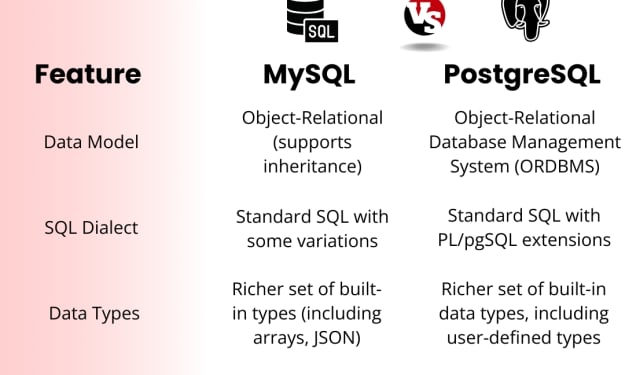
MySQL vs. PostgreSQL: Which One Should You Choose?
Introduction MySQL and PostgreSQL are two noticeable open-source social information base administration frameworks (RDBMS) for putting away and overseeing information. In any case, there are a few huge differentiations between the two frameworks that you ought to consider while concluding which is best for your necessities.
By Settings Infotech2 years ago in Education
Science As A Catalyst For Global Problem Solving: Unleashing The Potential Of Innovation And Collaboration.
Science As A Catalyst For Global Problem Solving: Unleashing The Potential Of Innovation And Collaboration. Science has been long hailed as a powerful tool for understanding the world around us, unraveling mysteries, and driving progress.
By Kelvin Sena Datsa2 years ago in Education
Have You Been Sleepwalking Through History? 3 Signs It's Time to Wake Up
Imagine waking up one day and realizing you've been sleepwalking through life. You go through the motions, but a part of you feels disengaged, like you're missing something important. This feeling can also apply to our understanding of history. We often learn historical events as isolated facts and dates, but the past is full of vibrant stories, lessons, and warnings that can impact our present and future.
By Asanga Coorey2 years ago in Education
Reasons Why SNHU Is NOT The College For... Anyone.
There are just some experiences you don't wish on anyone, not even your enemies. Trying to continue your education is already difficult. First of all, you have to know what you want to do with your life or have a semblance of an idea of what you might want to do. You have to make a choice - what degree do you want? What degree level do you want to get for your chosen career path? How many years are you willing to dedicate your life to earning that? Then you've got to research the best schools for the degree, apply to the school (and HOPE you get accepted), apply for scholarships, and deal with FAFSA and student loans. Then you get to spend the next 2 to 10 years working your ass off studying (while maintaining financial stability somehow).
By Hope Martin2 years ago in Education