Vocal
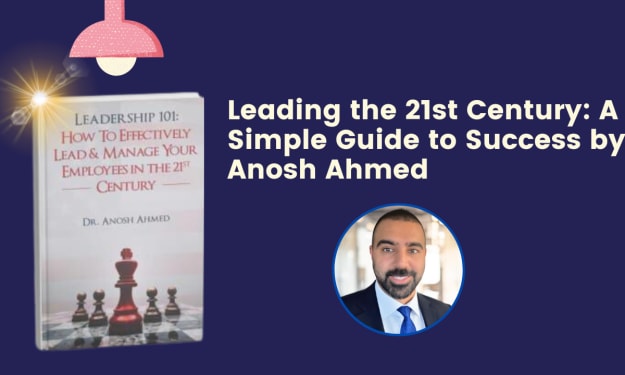
Leading the 21st Century: A Simple Guide to Success by Anosh Ahmed. AI-Generated.
Leadership isn’t what it used to be. The 21st century has changed the way we work, interact, and succeed. The old-school, strict rules of management don’t work anymore. Today, people want leaders who understand, adapt, and inspire. If you’re looking for a straightforward guide on how to lead effectively in this modern era, Anosh Ahmed’s Leadership 101: How to Effectively Lead & Manage Your Employees in the 21st Century is a book you can’t afford to miss.
By Reader Media News2 years ago in Education
Clinical Research Assistant Training Programs in Vancouver, Canada
The development of medical treatments and pharmaceutical goods rely greatly on clinical trials. These trials guarantee that novel medications, treatments, and interventions meet the highest standards of safety and efficacy before reaching patients. Efficiently handling these trials requires specialist assistance to handle the complicated processes involved. This is where Clinical Trial Management Services in Montreal, Canada, play a key role.
By Cathy Rowden2 years ago in Education
From Ashes to Wellness
In the hazy labyrinth of addiction, there are few chains as tight and as binding as those forged from smoke. My journey began like many others, with a single drag that felt harmless enough—a momentary escape from stress, a brief respite from the pressures of life. What I didn’t realize at the time was that this fleeting comfort would soon become a relentless captor, tethering me to a cycle of dependency that was both physical and emotional. Each morning, I would wake with the taste of ash lingering in my mouth, a grim reminder of the previous day’s indulgence. The first cigarette of the day was no longer a choice, but a necessity—my body’s demand for the nicotine fix it had grown dependent upon. And so, my days were marked by the constant need to feed this insatiable beast, a beast that clawed at my resolve and gnawed away at my health. The decision to break free from smoking wasn’t sudden. It was a slow realization, a gradual accumulation of moments that made me see the toll it was taking on my life. The shortness of breath after climbing a flight of stairs, the persistent cough that wouldn’t go away, the worry in my loved ones' eyes—all these signs pointed to one irrefutable truth: I needed to change. Deciding to quit was only the first step in a long and arduous journey. The withdrawal symptoms hit hard and fast, like an unforgiving storm. There were days when the cravings seemed insurmountable, when every fiber of my being screamed for just one more puff. But I had made a promise to myself, a promise to reclaim my health and my freedom. And so, I pushed through the fog of withdrawal, clinging to the belief that each passing day brought me closer to a smoke-free life. Support came in many forms—friends and family who offered words of encouragement, online communities where I found solidarity with others on the same journey, and professional help from counselors who provided strategies to cope with the cravings. These pillars of support were crucial, for quitting smoking is not a solitary battle. It is a war waged with the help of those who believe in your strength when you are too weak to believe in yourself. As the days turned into weeks, the grip of nicotine began to loosen. I found solace in new routines and healthier habits. Morning walks replaced my ritualistic smoke breaks, and I started to savor the taste of fresh air and the invigorating feel of my lungs filling with oxygen. The physical changes were accompanied by a profound sense of liberation—a lightness that came from knowing I was no longer chained to a substance that controlled my life. The journey to freedom was not without its setbacks. There were moments of doubt and even a few slips along the way. But each time I faltered, I reminded myself of how far I had come and the reasons I had chosen to quit in the first place. The image of a healthier, smoke-free future became my beacon, guiding me through the darkest moments. Today, as I reflect on my journey, I feel a deep sense of pride and accomplishment. Quitting smoking was one of the hardest things I have ever done, but it was also one of the most rewarding. My health has improved dramatically—no more persistent cough, no more breathlessness. I have regained a sense of control over my life, and I have learned the power of perseverance and self-love. Breaking the chains of smoke is a personal and deeply transformative journey. It is a testament to the human spirit’s capacity for change and resilience. For anyone who is still trapped in the clutches of nicotine, I want you to know that freedom is within reach. It won’t be easy, and the path may be fraught with challenges, but every step you take towards quitting is a step towards reclaiming your life and your health. So, take that first step today. Reach out for support, believe in your strength, and know that you are not alone. The journey to freedom and health is a journey worth taking, and the rewards are beyond measure. Here’s to breaking the chains, one smoke-free day at a time. If you found this article helpful, please follow, share, and comment below. Thank you for reading!
By Adepoju Toheeb Ojo 2 years ago in Education
Do We Really Need 8 Hours of Sleep?
In the hustle and bustle of modern life, sleep often takes a back seat to our never-ending to-do lists. We’re constantly bombarded with the idea that we need a solid eight hours of sleep to function optimally. But is this age-old advice rooted in science, or is it just another myth? For decades, the magic number of eight hours has been touted as the gold standard for sleep. It's become almost a cultural mantra, ingrained in our collective consciousness. However, recent scientific research has started to unravel this long-held belief, suggesting that the ideal amount of sleep may vary significantly from person to person. The origin of the eight-hour sleep myth is somewhat murky, but it likely stems from early 20th-century industrial work schedules, which promoted a balanced eight-hour division of work, leisure, and rest. This simplistic formula doesn't account for individual differences in sleep needs, which are influenced by a range of factors including age, lifestyle, and genetic predisposition. Dr. Daniel Gartenberg, a sleep scientist, argues that the concept of a one-size-fits-all sleep duration is flawed. He points out that quality often trumps quantity when it comes to sleep. Deep, restorative sleep phases such as slow-wave sleep and REM (rapid eye movement) sleep are crucial for cognitive functioning and overall health. It's possible to get eight hours of sleep and still wake up feeling groggy if your sleep quality is poor. Moreover, individual sleep needs can vary greatly. Some people naturally function well on six hours of sleep, while others require nine or more to feel truly rested. The National Sleep Foundation suggests that adults need between seven and nine hours of sleep per night, but this range is broad and not universally applicable. It's essential to listen to your body and recognize your unique sleep requirements. Modern lifestyle factors such as screen time, stress, and irregular schedules can also disrupt sleep patterns. The blue light emitted by smartphones and computers can interfere with the production of melatonin, the hormone that regulates sleep. Stress and anxiety can lead to difficulty falling asleep and staying asleep, further complicating the quest for restful slumber. To navigate the myth vs. science debate on sleep, it's important to focus on sleep hygiene – the habits and practices that promote consistent, uninterrupted sleep. Creating a bedtime routine, maintaining a comfortable sleep environment, and minimizing caffeine and alcohol intake are all steps that can improve sleep quality. A study published in the journal "Sleep Health" highlights the importance of a regular sleep schedule. Going to bed and waking up at the same time every day, even on weekends, helps to regulate your internal clock and improve overall sleep quality. This consistency can be more beneficial than strictly aiming for eight hours of sleep each night. While the myth of eight hours of sleep persists, it's crucial to understand that individual sleep needs vary. Rather than fixating on a specific number, focus on the quality of your sleep and how you feel during the day. If you wake up refreshed and energetic, you're likely getting the right amount of sleep for you. If not, consider making adjustments to your sleep habits and environment. In conclusion, the debate over whether we need exactly eight hours of sleep is ongoing. What remains clear is that prioritizing sleep quality and listening to your body's needs are key to achieving optimal rest. So, next time you find yourself obsessing over the clock, remember that the best sleep is the one that leaves you feeling revitalized and ready to take on the world. Sleep well! 😊 If you found this article helpful, please follow, share, and comment below. Thank you for taking your to reading!
By Adepoju Toheeb Ojo 2 years ago in Education
How to Design a Mobile-Friendly Website That Ranks High on Google
Introduction Well, as today we live in a world connected through the internet, every site must have that element of being a mobile site. Fewer people accesses the internet using a PC while the use of mobile phones and tablets is on the rise. One of such implications is that for these users, every website must be mobile friendly.
By Ashish Babaan2 years ago in Education
Gas Engineer vs Plumber: Do You Know the Difference?
When it comes to home maintenance, two professionals often play a pivotal role in ensuring safety and comfort: the gas engineer and the plumber. While many people use these terms interchangeably, they are distinct professions with specialised skills and responsibilities. Understanding the difference can save you time, money, and potential hazards. This blog explores the roles of gas engineers and plumbers, highlighting when you need which expert and how to make the right choice.
By David Love Property2 years ago in Education
The Connection Between Yoga and Mental Focus
Yoga works on multiple dimensions to sharpen focus and concentration: Mindfulness Training: Yoga encourages you to stay present in the moment. As you move through asanas or hold a pose, your attention shifts inward, away from distractions. This mindfulness improves your ability to concentrate on tasks in your daily life.
By maashaktiyogbali2 years ago in Education
Why Traditional Education is Failing Us
Education is often touted as the cornerstone of societal progress and individual success. Yet, as we delve deeper into the twenty-first century, there's a growing realization that the traditional educational system is not just outdated but fundamentally flawed. The time has come for a radical transformation—a learning revolution that can cater to the diverse needs of today's learners and prepare them for the unpredictable future. First and foremost, the rigid structure of traditional education stifles creativity and critical thinking. In a system where success is measured by standardized tests and memorization, there is little room for students to explore their interests or develop innovative solutions to real-world problems. This cookie-cutter approach not only disengages students but also fails to nurture the unique talents and passions that each individual possesses. Moreover, the traditional education system is predominantly focused on rote learning—an antiquated method that emphasizes the retention of information over the understanding and application of knowledge. This approach is ineffective in an era where information is readily accessible at our fingertips. What students need instead are skills like problem-solving, adaptability, and the ability to synthesize information from various sources. These skills are essential for thriving in a fast-paced, ever-changing world, yet they are glaringly absent from most curricula. The lack of personalization in traditional education is another major issue. Every student learns differently, and a one-size-fits-all approach inevitably leaves many behind. Students with different learning styles, interests, and paces often struggle to keep up or find themselves bored and unchallenged. The current system does not accommodate these differences, resulting in a significant number of students feeling alienated and disconnected from their educational experience. Additionally, the emphasis on grades and exams creates a high-pressure environment that can lead to severe stress and anxiety. This focus on performance over learning can have detrimental effects on students' mental health, undermining their overall well-being and their love for learning. Education should be a joyful, enlightening journey, not a relentless race for top marks. Furthermore, traditional education often fails to prepare students for the practical demands of the modern workforce. Skills like collaboration, digital literacy, and emotional intelligence are critical in today's job market but are rarely taught in conventional classrooms. Instead, students are often left to fend for themselves, navigating the transition from academia to the professional world without adequate preparation or support. In light of these issues, it is clear that we need a paradigm shift in how we approach education. A learning revolution is necessary—one that values creativity, critical thinking, and lifelong learning over rote memorization and standardized testing. This new approach should be student-centered, personalized, and adaptable, fostering an environment where every learner can thrive. To achieve this, educators and policymakers must embrace innovative teaching methods and technologies. Project-based learning, for instance, allows students to work on real-world problems and develop practical skills. Blended learning models, which combine online and in-person instruction, can provide the flexibility and personalization that traditional classrooms lack. Moreover, incorporating emotional and social learning into the curriculum can help students develop the resilience and interpersonal skills needed for success in both their personal and professional lives. Ultimately, the goal of education should be to empower individuals to reach their full potential and contribute meaningfully to society. This cannot be achieved through a system that prioritizes conformity and rote learning over creativity and critical thinking. The future of education lies in a holistic, student-centered approach that prepares learners for the complexities of the modern world. As we move forward, it is imperative that we challenge the status quo and advocate for a learning revolution. The stakes are too high to settle for a system that no longer serves the needs of our students or our society. It's time to reimagine education and create a brighter, more inclusive future for all learners.
By Adepoju Toheeb Ojo 2 years ago in Education
Learn to Code in 30 Days
Have you ever dreamt of creating your own software, building your own website, or even developing an app? Well, the good news is you can! Learning to code might seem like a daunting task at first, but with the right mindset and approach, you can make significant progress in just 30 days. Whether you’re looking to change careers, enhance your current skill set, or simply satisfy your curiosity, this beginner’s guide will help you embark on your programming journey. First and foremost, it’s important to understand why learning to code is beneficial. In today’s digital age, coding is a valuable skill that opens up a world of opportunities. It not only enhances problem-solving skills but also promotes logical thinking and creativity. Moreover, coding can lead to lucrative career opportunities in a variety of fields, from web development and data science to artificial intelligence and cybersecurity. Now, let’s dive into the steps you can take to start learning to code in 30 days. The first step is to choose a programming language. There are many languages to choose from, such as Python, JavaScript, and Ruby. For beginners, Python is often recommended due to its simplicity and readability. Once you’ve chosen your language, it’s time to find the right resources. There are countless tutorials, courses, and books available online that can help you get started. Websites like Codecademy, Coursera, and Udemy offer comprehensive courses that are designed for beginners. Next, you need to set aside time each day to practice coding. Consistency is key when it comes to learning a new skill. Even dedicating just 30 minutes a day can make a big difference over time. Start with the basics, such as understanding syntax and writing simple programs. As you become more comfortable, gradually move on to more complex topics. Don’t be afraid to make mistakes – they are a natural part of the learning process. Another important aspect of learning to code is to build projects. Projects provide a hands-on way to apply what you’ve learned and to see your progress in action. Start with small projects, such as creating a personal website or building a simple calculator. As you gain more experience, challenge yourself with larger projects. Building projects not only reinforces your learning but also provides a portfolio that you can showcase to potential employers. In addition to practicing on your own, it’s beneficial to join a community of learners. Online communities, such as forums and social media groups, provide a supportive environment where you can ask questions, share your progress, and learn from others. Being part of a community can keep you motivated and provide valuable insights from fellow learners and experienced programmers. To further enhance your learning, consider participating in coding challenges and hackathons. These events provide an opportunity to test your skills, learn new techniques, and collaborate with other coders. They also offer a fun and competitive way to push your limits and achieve your coding goals. Finally, it’s important to stay positive and motivated throughout your learning journey. Learning to code can be challenging, but it’s also incredibly rewarding. Celebrate your achievements, no matter how small, and keep reminding yourself of why you started. Surround yourself with supportive people who encourage your growth and success. In conclusion, learning to code in 30 days is an achievable goal with the right mindset and approach. By choosing a programming language, practicing consistently, building projects, joining a community, and staying motivated, you can kickstart your programming journey and unlock a world of opportunities. So, why wait? Start your coding adventure today and discover the endless possibilities that await you.
By Adepoju Toheeb Ojo 2 years ago in Education