
Gas Engineer vs Plumber: Do You Know the Difference?
Gas Engineer vs Plumber: Do You Know the Difference?

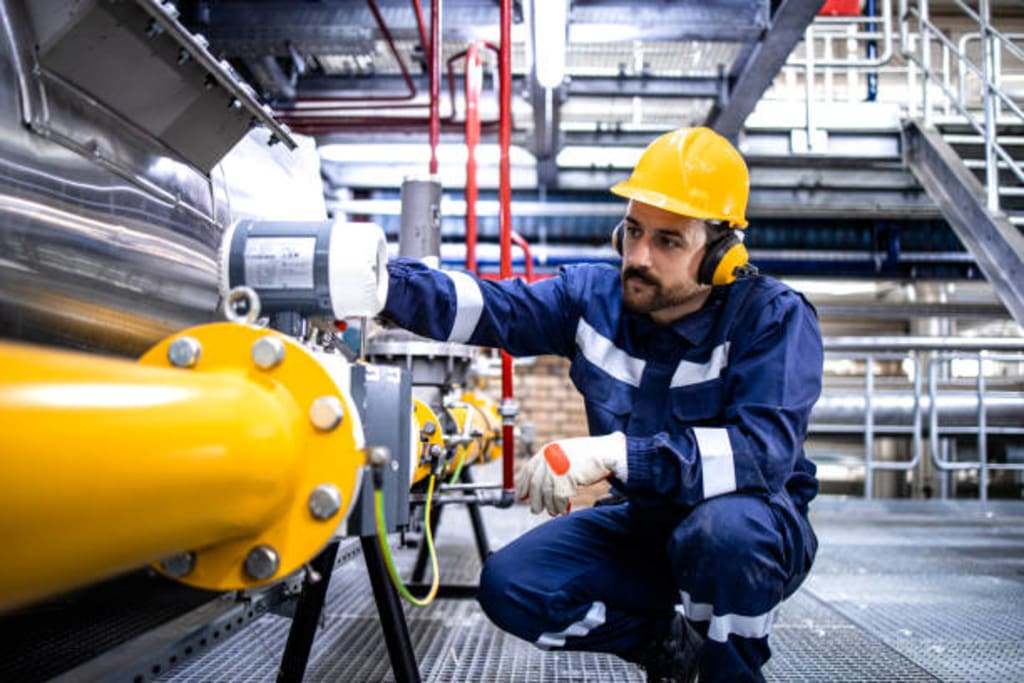
When it comes to home maintenance, two professionals often play a pivotal role in ensuring safety and comfort: the gas engineer and the plumber. While many people use these terms interchangeably, they are distinct professions with specialised skills and responsibilities. Understanding the difference can save you time, money, and potential hazards. This blog explores the roles of gas engineers and plumbers, highlighting when you need which expert and how to make the right choice.
What Does a Gas Engineer Do?
A gas engineer is a professional trained to work with gas appliances, systems, and installations. Their expertise ensures that gas systems are installed, maintained, and repaired to comply with strict safety regulations. They are responsible for tasks such as:
- Installing and servicing boilers
- Repairing gas leaks
- Conducting safety inspections for gas appliances
- Ensuring proper ventilation of gas systems
In the UK, gas engineers must be registered with the Gas Safe Register. This certification ensures that they are qualified and equipped to handle potentially dangerous gas-related issues.
What Does a Plumber Do?
Plumbers are skilled professionals who handle water systems in residential and commercial properties. Their tasks often include:
- Installing and repairing pipes
- Fixing leaks and blockages
- Installing bathroom fixtures such as sinks, toilets, and showers
- Working on heating systems (excluding gas-specific components)
While plumbers are not certified to work on gas appliances, many have training in heating systems that do not involve gas. This distinction is crucial when deciding whom to hire for specific jobs.
The Overlap Between Gas Engineers and Plumbers
There are situations where the roles of gas engineers and plumbers overlap. For example, a plumber might work on the water connections of a central heating system, while a gas engineer deals with the gas boiler. Some professionals are dual-qualified as both plumbers and gas engineers, allowing them to handle a broader range of tasks. However, not all plumbers can work on gas systems, making it essential to verify their qualifications.
When to Call a Gas Engineer
You should call a gas engineer if your issue involves gas appliances or systems. Common scenarios include:
- Your boiler is not working, and it uses gas
- You suspect a gas leak
- You need a gas appliance installed or serviced
- You require a safety certificate for a rental property
Gas engineers ensure your gas appliances function efficiently and safely, preventing risks such as carbon monoxide poisoning.
When to Call a Plumber
A plumber is your go-to expert for water-related problems. Call a plumber if you face issues such as:
- Leaking pipes or dripping taps
- Blocked drains or toilets
- Low water pressure
- Installation of water-based appliances like dishwashers and washing machines
While plumbers can handle some heating system repairs, they cannot legally work on gas components unless they are also certified gas engineers.
Why Is Certification Important?
In the UK, working with gas appliances without proper certification is illegal. A Gas Safe Register certification guarantees that the professional has undergone the necessary training and assessment. Always ask for the engineer's Gas Safe ID card before allowing them to work on your property.
Similarly, plumbers should have recognised qualifications, such as NVQ Level 2 or 3 in Plumbing and Heating. Ensuring your professional is qualified helps protect you from substandard work and potential safety hazards.
Choosing the Right Professional: Key Factors
To decide whether to hire a plumber or a gas engineer, consider these factors:
1. Nature of the Problem
Identify whether the issue involves gas or water. If it’s gas-related, always hire a certified gas engineer. For water systems, a qualified plumber will suffice.
2. Qualifications
Ask for proof of certifications. A Gas Safe ID card is essential for gas-related work, while plumbers should have recognised plumbing qualifications.
3. Experience
Experience matters, especially for complex issues. Look for professionals with a proven track record in the specific task you need help with.
4. Reviews and Recommendations
Check online reviews or ask friends and family for recommendations. A reliable professional will have positive feedback from past clients.
Benefits of Hiring the Right Professional
Hiring the correct expert ensures the problem is resolved efficiently and safely. It can also prevent costly mistakes. For example, a plumber might incorrectly diagnose a boiler issue as a water problem, delaying necessary repairs. Conversely, a gas engineer might not address water system issues effectively if they are beyond their expertise.
Common Myths About Gas Engineers and Plumbers
Myth 1: "All Plumbers Can Fix Gas Appliances"
This is false. Only certified gas engineers can legally and safely work on gas appliances.
Myth 2: "Gas Engineers Don’t Handle Heating Issues"
Gas engineers are qualified to handle heating systems that involve gas. However, they may not work on the water-side components of the system, which is where a plumber comes in.
Myth 3: "You Don’t Need to Check Certifications"
Always verify certifications, even if the professional comes highly recommended. Safety should never be compromised.
How to Avoid Common Mistakes
1. Don’t Assume Qualifications
Always confirm whether the professional is a gas engineer or a plumber and verify their credentials.
2. Describe the Problem Clearly
Providing a detailed description of the issue helps the professional determine whether they can assist or if another expert is needed.
3. Ask Questions
Don’t hesitate to ask about their experience, approach to the problem, and estimated costs. Transparency is key to avoiding misunderstandings.
The Future of Gas Engineers and Plumbers
As the UK moves towards greener energy solutions, the roles of gas engineers and plumbers are evolving. Gas engineers are increasingly working with renewable energy systems, such as heat pumps and hydrogen boilers. Plumbers, too, are adapting to the demand for eco-friendly solutions, including water-saving fixtures and solar water heating systems.
Final Thoughts
Understanding the difference between a gas engineer and a plumber is essential for ensuring the safety and efficiency of your home’s systems. While both professions are vital, their expertise lies in distinct areas. Knowing whom to call and when can save you from potential hazards and unnecessary expenses.
Always prioritise safety by hiring certified professionals, and never attempt to fix gas or water issues yourself unless you are qualified. By choosing the right expert for the job, you’ll ensure peace of mind and a well-maintained home.
About the Creator
David Love Property
David Love Property provides expert property development, rentals, repairs, and renovations in Edinburgh. David Love ensures every project delivers excellent values.
Website: https://www.davidlove.co.uk/
Enjoyed the story? Support the Creator.
Subscribe for free to receive all their stories in your feed.
Comments
There are no comments for this story
Be the first to respond and start the conversation.