Vocal
What Does Trump’s End to Birthright Citizenship Mean for Future Generations?
The Impact of Ending Birthright Citizenship: A New Era for Immigration Policy The recent move by former President Donald Trump to end birthright citizenship has reignited debates over immigration policy in the United States. This executive order, which seeks to redefine the provisions of the 14th Amendment, has far-reaching implications for millions of immigrants and their families. In this blog, we will explore the potential impact of this policy change and what it means for the future of immigration in the U.S.
By AP The writer2 years ago in Education
How to Become Data Analyst in Jaipur
Jaipur, known for its rich history and growing tech sector, is now emerging as a prominent hub for data-driven careers. The demand for skilled professionals in data analytics is on the rise, particularly in industries such as IT, e-commerce, healthcare, and education. This blog serves as a roadmap to help aspiring data analysts navigate their career journey in Jaipur and explore available training opportunities.
By Gour Sinha2 years ago in Education
How To Reduce D Dimer Level
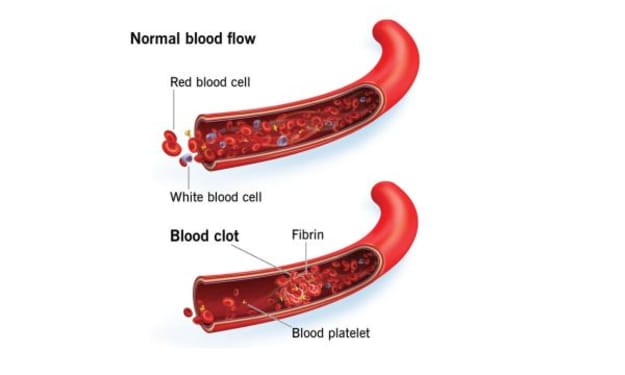
D-dimer is a small protein fragment found in the blood after a blood clot breaks down. It plays an important role in helping the body heal after clot formation. While it is a normal part of the body’s clotting process, high D dimer levels can be a cause for concern.
By Midas Care Clinic2 years ago in Education
Pros and Cons of Java Development in 2025
Java is a versatile and a programming language which is used worldwide. It has been at the forefront of software development for more than two decades. Its unique abilities and features has made it a go-to choice for a multitude of projects.
By Steve Diaz2 years ago in Education
5 Simple Ways to Reduce Anxiety and Regain Control
Anxiety is a common mental health challenge that many people experience at some point in their lives. Whether it’s caused by stress at work, personal challenges, or overwhelming thoughts, anxiety can interfere with daily life and overall well-being. Fortunately, there are many practical and simple strategies that can help reduce anxiety. Below are five ways that can help you regain control and reduce the effects of anxiety. ### 1. **Practice Deep Breathing** Deep breathing is one of the simplest and most effective ways to reduce anxiety in the moment. When we experience anxiety, our bodies go into a fight-or-flight mode, which causes rapid breathing, increased heart rate, and muscle tension. By practicing deep breathing, you can activate your body's relaxation response and calm the mind. To practice deep breathing: - Find a quiet place to sit or lie down comfortably. - Close your eyes and focus on your breath. - Slowly inhale through your nose for a count of four, allowing your abdomen to rise as you fill your lungs. - Hold your breath for a count of four. - Slowly exhale through your mouth for a count of six, allowing your abdomen to fall. - Repeat this process for a few minutes, focusing on the rhythm of your breath. Deep breathing helps bring your focus away from anxious thoughts and re-centers your body, promoting relaxation and a sense of control. ### 2. **Engage in Physical Activity** Exercise is a powerful tool for reducing anxiety. Physical activity helps to release endorphins, the body's natural feel-good hormones, which can lift your mood and reduce stress. Exercise also improves sleep quality and boosts overall health, which can make it easier to manage stress in the long term. You don’t have to engage in intense workouts to experience the benefits of exercise. Even a short walk, light stretching, or yoga can help alleviate anxiety. Aim for at least 30 minutes of moderate physical activity most days of the week to reap the full benefits. If you’re feeling overwhelmed, try going for a brisk walk outdoors. Fresh air and movement can help clear your mind and shift your focus from anxious thoughts. Alternatively, practicing yoga or Tai Chi offers both physical and mental relaxation, as these activities focus on gentle movement, breathing, and mindfulness. ### 3. **Limit Caffeine and Sugar Intake** Caffeine and sugar are stimulants that can increase feelings of anxiety, especially if consumed in large amounts. Caffeine is known to stimulate the central nervous system, which can cause your heart rate to rise, leading to feelings of nervousness and restlessness. Similarly, consuming too much sugar can lead to blood sugar spikes and crashes, which may exacerbate feelings of irritability and anxiety. To reduce anxiety, try limiting your intake of caffeinated beverages such as coffee, tea, and energy drinks. Instead, opt for herbal teas like chamomile or peppermint, which are naturally calming. Reducing sugar intake can also help stabilize your mood and prevent energy crashes. Focus on a balanced diet rich in whole grains, fruits, vegetables, and lean proteins to support mental clarity and overall well-being. If you feel like you need a little extra energy, consider switching to green tea or matcha, which contain lower amounts of caffeine compared to coffee but provide a more sustained energy boost without the jitters. ### 4. **Develop a Consistent Sleep Routine** Sleep plays a crucial role in managing anxiety. A lack of sleep can make you more vulnerable to stress and can heighten feelings of anxiety. When you're well-rested, you're better equipped to handle life's challenges, and your mind has a chance to recharge. To improve your sleep quality: - Stick to a regular sleep schedule. Try to go to bed and wake up at the same time each day, even on weekends. - Create a calming bedtime routine. Avoid screens for at least 30 minutes before bed, as the blue light emitted by phones and computers can interfere with your body's natural sleep cycle. - Make your bedroom a peaceful environment. Keep it dark, cool, and quiet to promote restful sleep. Consider using earplugs, an eye mask, or a white noise machine if needed. - Limit naps to 20–30 minutes during the day to avoid disrupting your nighttime sleep. Additionally, if you’re having trouble falling asleep due to anxiety, try a relaxation technique like progressive muscle relaxation or visualization. By practicing mindfulness before bed, you can reduce racing thoughts and calm your mind. ### 5. **Cultivate Mindfulness and Meditation** Mindfulness is the practice of paying attention to the present moment without judgment. By focusing on the present, mindfulness helps reduce anxiety by preventing you from becoming overwhelmed by future worries or past regrets. Meditation, on the other hand, is a technique that can help you train your mind to stay present and relaxed. You don’t need to meditate for hours to see the benefits. Even a few minutes each day can help reduce anxiety and improve emotional well-being. Start by sitting in a comfortable position and focusing on your breath. Whenever your mind wanders to anxious thoughts, gently bring your attention back to your breathing. Another form of mindfulness is body scanning, where you mentally check in with each part of your body, noticing any areas of tension or discomfort. This can help you become more aware of how stress manifests physically and allow you to consciously release that tension. Mindfulness and meditation can also help you reframe your thinking patterns. By observing your thoughts without reacting to them, you can develop a greater sense of control over your emotional responses and reduce the impact of anxiety. ### Conclusion Anxiety can be overwhelming, but there are many effective strategies to help reduce its intensity. By practicing deep breathing, engaging in physical activity, limiting caffeine and sugar, improving your sleep, and cultivating mindfulness, you can take proactive steps toward managing anxiety in your daily life. Remember that it’s important to be patient with yourself and to experiment with these techniques to see which ones work best for you. With consistent effort and the right tools, you can regain a sense of peace and control over your anxiety. If your anxiety persists or becomes more severe, it may be helpful to consult with a mental health professional who can guide you in finding additional strategies to manage your anxiety effectively.
By Nora Ariana2 years ago in Education