Vocal
Fan Culture: How Supporters Shape Teams and Leagues. AI-Generated.
Fans are more than just spectators. They are the beating heart of sports. Their chants, loyalty, and passion help define what a team stands for. Without fans, games lose energy. Stadiums fall silent. And the connection between clubs and communities breaks down.
By Gus Woltmannabout a year ago in Education
Gliding Through Paradise: The Ultimate Yacht Experience Around the Globe
Travel is evolving, and for many, the dream no longer centers on rushing from one landmark to another. Instead, it’s about savoring every moment, embracing luxury, and discovering the world at a more intimate pace. Sailing aboard a yacht perfectly captures this shift. It offers an experience unlike any other—where the journey is as breathtaking as the destinations, and every day unfolds with elegance and freedom. Cruising the oceans on a private yacht opens doors to hidden treasures and unforgettable adventures, all while wrapped in the comforts of refined living.
By Juan Monteverdeabout a year ago in Education
Voices Unite for Preventing Animal Abuse in Healthcare
Understanding the Scope of Animal Abuse in Healthcare Animal abuse in healthcare can take many forms. It may be neglect, rough handling, or use of animals without proper welfare checks. Thousands of animals suffer yearly during tests, surgeries, and treatments. Preventing animal abuse in healthcare is a growing concern for doctors, nurses, researchers, and the public. Clear facts help readers see why advocacy matters.
By Brenda McGraneabout a year ago in Education
11 Signs He's Secretly a Terrible Person
Sometimes, the worst people don’t come across as villains at first glance. They can be charming, attentive, and even kind—until time peels back the layers. Many people hide their true nature under a mask of good manners and well-timed smiles. But if you pay attention, certain behaviors can reveal a lot more than words ever could. Here are 11 signs he might be secretly a terrible person—even if he doesn’t look like it at first. --- 1. He’s Only Nice When It Benefits Him A good person is kind regardless of who’s watching or what’s in it for them. If he only shows good behavior when he’s trying to impress someone, or when there’s a reward, that’s a red flag. Pay attention to how he treats people who can’t offer him anything—like waiters, customer service reps, or strangers. If his kindness has strings attached, it's not kindness at all. --- 2. He Blames Everyone but Himself A terrible person often refuses to take responsibility for his actions. If he constantly blames others—his ex, his boss, his parents—without ever acknowledging his own faults, he’s likely lacking accountability. The moment something goes wrong, he’ll point fingers instead of looking in the mirror. --- 3. He Lies About Little Things Even small lies matter. If he lies when he doesn’t need to—like about where he was or who he was with—that shows a deeper habit of dishonesty. Frequent white lies might not seem serious, but they can indicate that he’s hiding bigger things, too. --- 4. He Gaslights You If he constantly makes you question your own reality, memory, or feelings, that’s gaslighting—a manipulative tactic used by people who want control. For example, if he says things like “You’re too sensitive” or “That never happened” when you know it did, he’s not being misunderstood—he’s manipulating you. --- 5. He Shows No Empathy A lack of empathy is a major red flag. If he seems unmoved by the pain or struggles of others—or worse, if he mocks people who are suffering—that speaks volumes. A truly terrible person will feel nothing when others are hurting and may even enjoy the power that indifference gives him. --- 6. He Enjoys Making You Feel Small Whether it’s subtle insults disguised as jokes or backhanded compliments, if he constantly makes you feel inferior, that’s emotional abuse. Comments like “You’re smart for someone like you” or “You’d be pretty if you smiled more” are all about control, not affection. --- 7. He’s Kind to You, Mean to Others It’s easy to believe someone is a good person if they treat you well—but the real test is how they treat everyone else. If he’s disrespectful to service workers, cruel to animals, or dismissive of people he sees as “beneath” him, that cruelty will eventually be directed at you, too. --- 8. He Always Needs to Win Whether it's an argument, a game, or a conversation, if he always has to "win" and can’t admit when he’s wrong, that’s more than just arrogance—it’s insecurity covered in toxic behavior. Healthy people know how to compromise and apologize. --- 9. He Has a History of Broken Relationships While everyone has a past, someone who leaves behind a trail of angry exes, ruined friendships, and estranged family members might be the common denominator in all that drama. If he constantly describes others as “crazy” or blames them entirely for the fallout, take that as a warning. --- 10. He Uses People Without Regret A terrible person often sees people as tools to be used. If he constantly borrows money, uses friends for favors, or disappears once he gets what he wants, it shows he values others for their usefulness, not their humanity. This lack of genuine connection will leave you feeling disposable. --- 11. He Has No Boundaries—and Violates Yours Does he ignore your need for space? Push your limits "as a joke"? Go through your personal things or invade your privacy? These behaviors show a lack of respect. A man who constantly crosses the line doesn’t just lack manners—he lacks morals. --- Final Thoughts Not all toxic behavior is loud or obvious. Some of the worst traits are hidden behind charm, wit, or even affection. The key is to trust your gut. If you feel like something’s off—even if you can’t explain it—it probably is. A truly good person treats everyone with respect, owns their mistakes, and makes you feel safe, seen, and supported. If the man in your life shows several of these red flags, don’t ignore them. You’re not overreacting. You’re recognizing the signs. And you deserve better.
By DigitalAddiabout a year ago in Education
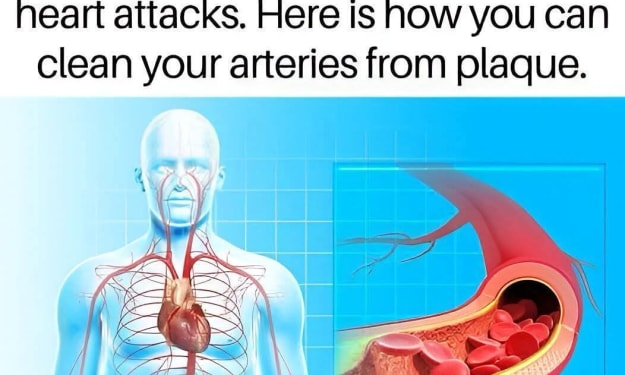
Clogged Arteries and Poor Blood Circulation
Clogged arteries are a silent but serious threat to health. They limit blood flow, increase blood pressure, and are one of the major causes of heart attacks and strokes. Medically known as atherosclerosis, this condition occurs when plaque builds up inside the arteries, hardening and narrowing them. While it may develop slowly over time, the consequences can be sudden and life-threatening. Fortunately, there are effective, natural ways to clean your arteries and support better blood circulation. This article explores the causes of artery blockage, the dangers it poses, and practical, natural methods to help clean your arteries and protect your heart. --- What Causes Arteries to Become Clogged? Plaque is a sticky substance made up of fat, cholesterol, calcium, and other elements found in the blood. Over time, this material builds up on the inner walls of arteries. This buildup narrows the arteries and makes them less flexible, making it harder for blood to flow freely. If the plaque ruptures, a blood clot can form, blocking the artery entirely and potentially leading to a heart attack or stroke. Key risk factors for clogged arteries include: High cholesterol High blood pressure Smoking Poor diet (especially one high in saturated fat and sugar) Lack of physical activity Obesity Diabetes Chronic inflammation --- The Dangers of Poor Blood Circulation When your arteries are clogged, blood flow to major organs and limbs is reduced. This leads to a variety of health issues: Chest pain or angina: Due to reduced oxygen supply to the heart. Shortness of breath: Especially during physical activity. Fatigue: From decreased oxygen delivery to muscles and tissues. Heart attacks and strokes: When blood flow is completely blocked. Peripheral artery disease (PAD): Reduced circulation to the legs and feet, causing pain and mobility issues. Keeping your arteries clean is vital for long-term cardiovascular health. Here’s how you can do it naturally and safely. --- 1. Adopt a Heart-Healthy Diet The most powerful tool you have to clean your arteries is your fork. Certain foods help reduce plaque buildup and improve blood vessel function. Key elements of an artery-cleaning diet include: Fruits and vegetables: Rich in antioxidants and fiber, they help reduce inflammation and cholesterol. Whole grains: Such as oats, brown rice, and quinoa, which help lower bad cholesterol (LDL). Fatty fish: Like salmon and mackerel, which provide omega-3 fatty acids that reduce plaque and improve heart function. Nuts and seeds: Especially almonds, walnuts, chia, and flaxseeds, which are high in healthy fats and fiber. Olive oil: A healthier fat option that can lower bad cholesterol and raise good cholesterol (HDL). Garlic: Known to lower cholesterol and reduce blood pressure. Avocados: Packed with heart-friendly monounsaturated fats. Avoid processed foods, trans fats, excessive sugar, and red meat, all of which can contribute to plaque buildup. --- 2. Exercise Regularly Physical activity helps improve circulation, control weight, reduce blood pressure, and increase HDL cholesterol. Even simple activities like walking, cycling, or swimming for 30 minutes a day can have a big impact. Exercise helps your body use oxygen more efficiently, reduces the thickness of artery walls, and strengthens your heart muscle. It's one of the best natural strategies to keep your arteries clean and your blood moving freely. --- 3. Manage Stress Effectively Chronic stress raises cortisol levels, which can increase inflammation and blood pressure—both of which contribute to clogged arteries. Learning how to manage stress can have a profound effect on your heart health. Techniques such as meditation, yoga, deep breathing, and even spending time in nature can help calm your mind and reduce the damage that stress causes to your cardiovascular system. --- 4. Stop Smoking Smoking is a major contributor to plaque buildup and artery damage. It not only reduces the oxygen in your blood but also raises blood pressure and damages the lining of your arteries. If you smoke, quitting is one of the most important steps you can take to protect your arteries and reduce your risk of heart attack. --- 5. Control Blood Pressure and Cholesterol Unchecked high blood pressure and cholesterol are silent killers. They damage the artery walls and contribute to plaque formation. Get regular checkups, and if needed, use lifestyle changes or medications to keep these numbers in check. Natural remedies like garlic, omega-3s, and soluble fiber (from oats, beans, and fruits) can help control these levels effectively. --- 6. Maintain a Healthy Weight Obesity puts extra strain on your heart and arteries. It increases the risk of high blood pressure, diabetes, and cholesterol issues. Losing even a small amount of weight can significantly improve artery health and blood flow. --- 7. Drink Plenty of Water Hydration keeps your blood flowing smoothly. Dehydrated blood becomes thicker and more prone to clotting, which can increase the risk of artery blockage. Aim for at least 6-8 glasses of water a day, more if you're physically active or live in a hot climate. --- Final Thoughts Clogged arteries are a serious but preventable condition. By adopting a healthy lifestyle, eating the right foods, staying active, and managing stress, you can protect your arteries and reduce your risk of heart disease dramatically. Your heart is one of the most vital organs in your body. Taking steps today to keep your arteries clean will help ensure that it keeps beating strong for many years to come. Prevention is always better than cure—and in the case of heart disease, it could save your life.
By DigitalAddiabout a year ago in Education
Avocado Is a Natural Medicine
Avocados have taken the world by storm—and for good reason. Often labeled as a “superfood,” this creamy green fruit is more than just a trendy ingredient for toast or salads. Scientific research and nutrition experts agree: avocado is one of the most powerful natural medicines found in nature. Loaded with essential nutrients, healthy fats, fiber, and antioxidants, it supports nearly every major system in the human body.
By DigitalAddiabout a year ago in Education
The Ancestors Speak in My Sleep
I never believed in ghosts until they started whispering to me in my sleep. Not the moaning, chain-dragging kind that haunts horror films. No. These ghosts were patient. Ancient. Familiar. They came softly, like the scent of my grandmother’s cornbread rising from a stove I hadn’t seen since I was eight.
By Rick Brownabout a year ago in Education
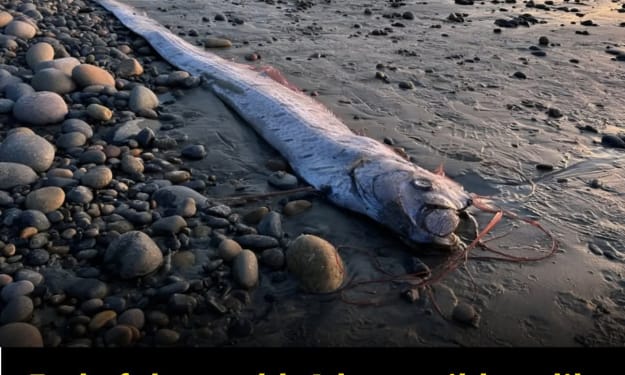
“Doomsday Fish” Spotted Off Australian Coast Raises End-of-the-World Speculation. AI-Generated.
In the deep, dark waters of the ocean lies a mysterious creature rarely seen by human eyes — and when it does appear, it often sends waves of fear and fascination across the world. This creature, a ribbon-like deep-sea fish known as the oarfish, has recently been spotted off the coast of Australia, and scientists are calling it the “Doomsday Fish.” The sighting, confirmed by marine biologists and deep-sea researchers, has stirred both scientific interest and public superstition. The oarfish, which can grow up to 36 feet long, lives at depths of up to around 1,650 feet. It is the longest bony fish in the world and has been historically linked with natural disasters — particularly earthquakes and tsunamis. While scientists caution against leaping to conclusions, the creature’s sudden appearance has once again raised questions about what it may be trying to tell us. A Rare Glimpse into the Abyss The recent sighting took place near Queensland, where a group of divers encountered the long, silver creature moving slowly just beneath the surface. With its undulating body, dorsal fin running the length of its back, and a head that looks almost prehistoric, the oarfish was both mesmerizing and eerie. “This is one of the rarest fish to see in the wild,” said Dr. Amelia Grant, a marine biologist at the University of Sydney. “They live in very deep parts of the ocean and typically only come to the surface when they are sick, injured, or disoriented. Seeing one this close to shore is highly unusual.” Photos and videos taken by the divers quickly went viral online, with many users referring to it as the "Doomsday Fish" due to its reputation in folklore and local legends. The Myth and the Mystery The oarfish has been surrounded by mystery and superstition for centuries. In Japanese folklore, it is known as Ryugu no tsukai, or "Messenger from the Sea God's Palace." According to legend, when oarfish begin to wash up on shores, it is a sign that an earthquake or tsunami is about to strike. This belief gained more attention in 2011, when more than a dozen oarfish were seen in Japanese waters just before the devastating Tōhoku earthquake and tsunami. Since then, similar appearances have fueled speculation that the fish is somehow able to detect tectonic activity deep in the Earth’s crust, long before humans can. Though no scientific studies have definitively proven a connection, the timing of oarfish sightings before major geological events continues to keep the myth alive. The Science Behind the Superstition Despite the fear it sometimes inspires, the oarfish is not a supernatural creature. It is a real animal, part of the family Regalecidae, and it thrives in deep-sea environments where sunlight never reaches. Its ribbon-like body allows it to float vertically in the water column, and it feeds mostly on plankton and small crustaceans. But why do they sometimes come to the surface? “It's most likely due to illness, injury, or changes in water pressure,” explains Dr. Grant. “If there were underwater disturbances such as undersea quakes or shifts in tectonic plates, it could disrupt the environment enough to bring these animals closer to the surface. That may explain the observed connection between oarfish and seismic events, but it's still a hypothesis.” She adds that while it's tempting to assign prophetic meaning to such sightings, the reality is far more complex — and less magical. A Wake-Up Call from the Deep? Though scientists remain skeptical about linking oarfish to disasters, they do agree that the oceans — particularly the deep ocean — are incredibly sensitive environments. Subtle changes in temperature, pressure, and even seismic activity can ripple through the deep sea in ways we still don’t fully understand. That’s why sightings like this one matter. They remind us how little we know about life at extreme depths, and how changes in Earth’s geology can have effects far beyond the surface. “It’s not about predicting the end of the world,” Dr. Grant says. “It’s about understanding that our planet is a system of interlinked forces — geological, biological, and chemical — all in constant motion. When something this rare appears out of nowhere, it’s worth paying attention.” Public Reaction and Global Curiosity Unsurprisingly, the sighting of the so-called Doomsday Fish has sparked a surge of public curiosity and concern. Social media platforms are filled with speculation, jokes, and ominous predictions. Some users claim it’s a sign of an impending natural disaster, while others share awe at the creature’s strange beauty. Meanwhile, ocean researchers are calling for more exploration of the deep sea. With less than 20% of the world’s ocean floor mapped, scientists argue that increasing our understanding of deep-sea life could unlock critical information about Earth’s ecosystems and climate systems. Conclusion: A Sign, or Just a Stranger from the Deep? While the Doomsday Fish may not be a literal harbinger of the apocalypse, its rare appearance near the surface of Australian waters has definitely caught the world’s attention. Whether it’s a warning, a coincidence, or simply a glimpse of nature’s mystery, one thing is certain: the deep ocean still holds countless secrets, and the more we learn, the more extraordinary our world becomes. For now, the oarfish returns to the depths — and humanity watches and wonders what lies beneath.
By DigitalAddiabout a year ago in Education
Scientists Conclude the Chicken Came First — Not the Egg
For centuries, the question of “Which came first, the chicken or the egg?” has been a favorite philosophical riddle, used to spark debates and challenge the concept of cause and effect. It’s a question that blends science, philosophy, and a bit of humor. But now, modern science may have finally cracked the case — literally. According to a group of researchers from the University of Sheffield and the University of Warwick in the United Kingdom, the answer is clear: the chicken came first. Their conclusion is based on the discovery that a vital protein used to create eggshells is found only in chickens, meaning the egg as we know it couldn’t exist without the chicken. The Age-Old Question The chicken-or-egg dilemma has puzzled people for thousands of years. In ancient Greece, philosophers like Aristotle debated it as a question of origins. Some saw it as a metaphor for life’s infinite loops, while others tried to solve it using logic. Even today, it’s a common way of expressing complex problems without obvious solutions. But science, unlike philosophy, relies on evidence — and that’s exactly what researchers used to tackle the problem. Cracking the Eggshell Mystery The breakthrough came when scientists used advanced computing to study how chickens form eggshells. They focused on a specific protein called ovocleidin-17, or OC-17. This protein plays a crucial role in forming the hard shell that protects the developing chick inside the egg. Using high-powered computer models and microscopic imaging, the researchers found that OC-17 acts as a catalyst during the formation of calcium carbonate crystals — the material that makes up the eggshell. Without this protein, the shell wouldn’t form properly. And here’s the critical part: OC-17 is produced only in a hen’s ovaries. This means the biological machinery to create an eggshell — including the very first one — depends on a chicken’s body. Simply put, the egg could not have existed before the chicken, because the protein necessary to form the shell didn’t exist before chickens evolved. So, What Does This Really Mean? From a purely biological and chemical perspective, the findings suggest that the modern chicken — or at least a bird genetically very close to it — had to come first. This ancestor produced an egg using the OC-17 protein, and inside that egg was the first modern chicken. While the process of evolution is gradual, this moment marks a definable point at which the chicken, as we recognize it today, was born. In other words, a bird very similar to a chicken laid an egg, but due to genetic mutation or natural selection, the creature that hatched from it was the first true chicken. But that egg — containing the first true chicken — still had to be formed by something that had the OC-17 protein. Therefore, the bird that produced that egg had to be very, very close to being a chicken already. Evolution and the Chicken Evolution helps explain how birds developed over millions of years from reptiles. Over time, tiny changes in DNA led to the development of different species, including chickens. Somewhere along that evolutionary chain, a creature nearly identical to a modern chicken developed the ability to produce OC-17. This tiny biological shift made it possible for the formation of the hard-shelled egg that chickens lay today. That means the creature that made the first chicken egg wasn’t quite a chicken itself — but very close. Still, because it had the protein necessary to form the egg, and that protein is unique to chickens, the chicken had to come first in order to create the egg as we know it. A Scientific Answer to a Philosophical Puzzle While this might sound like a roundabout way to say both came first in some form, scientists are confident that, biologically speaking, the answer is the chicken. The egg needed the chicken’s unique protein to exist. Without that, no eggshell — and therefore, no egg as we know it — could have formed. Of course, it’s important to note that this answer applies specifically to the modern chicken and its eggs. If we expand the question to ask, “Which came first, the bird or the egg?” the answer flips. Eggs existed long before chickens or even birds. Reptiles were laying eggs hundreds of millions of years before the first bird ever appeared on Earth. Why This Matters Beyond solving a fun riddle, this discovery helps scientists better understand how proteins control crystal formation — a process that’s important not just in biology but also in material science and medicine. Understanding how OC-17 creates eggshells could lead to advances in designing stronger materials or improving synthetic biominerals. It also shows how deeply interconnected life’s building blocks are. A single protein can determine the structure of an egg and even shape our understanding of evolution and species development. Conclusion The mystery of whether the chicken or the egg came first has amused people for generations. Thanks to modern science, we now have a clear answer based on biology: the chicken came first. Specifically, a creature with the ability to produce the protein OC-17 laid the first egg containing a chicken — making the chicken, in a technical and evolutionary sense, the real starting point. So next time someone brings up the age-old question, you can smile and say, “Science says it was the chicken — and there’s protein evidence to prove it.”
By DigitalAddiabout a year ago in Education
McLean Forrester: Your Trusted Partner in Enterprise IT Consulting
In today’s fast-paced digital landscape, businesses need reliable, scalable, and secure IT solutions to stay competitive. McLean Forrester is a full-service enterprise IT consulting firm dedicated to helping organizations optimize their technology infrastructure, streamline operations, and drive innovation. With deep expertise across cloud computing, cybersecurity, data analytics, and digital transformation, we empower businesses to achieve their strategic goals with confidence.
By McLean Forresterabout a year ago in Education