student
From balancing your course load to forging relationships with classmates to extracurricular involvement, these are the tried and true methods to nail your career as a student.
Generator Rental Services: Everything You Need to Know
Introduction In today’s fast-paced world, reliable power sources are crucial for businesses, events, and emergency situations. Whether you’re hosting an outdoor event, managing a construction site, or dealing with a power outage, generator rental services provide a cost-effective and convenient solution. This comprehensive guide will cover everything you need to know about renting a generator, from types and benefits to pricing and maintenance.
By delhigeneratorbazar2 years ago in Education
How to Stop Comparing Yourself to Others
In today’s world, it’s easier than ever to compare ourselves to others. With social media showcasing people’s highlight reels and society constantly promoting the idea of competition, many of us find ourselves measuring our lives against those of our peers. Whether it’s career achievements, relationships, appearance, or lifestyle, the urge to compare can be overwhelming. However, this habit can lead to feelings of inadequacy, low self-esteem, and unhappiness. Learning how to stop comparing yourself to others is crucial for maintaining a positive mindset and living a more fulfilling life. The first step in overcoming the comparison trap is to recognize that it’s a natural human tendency. Comparing ourselves to others is something that has been ingrained in us for survival reasons. Historically, it helped us assess our status within a group and determine where we stood in terms of skills and resources. However, in today’s society, this tendency can often backfire, leading us to constantly evaluate ourselves based on unrealistic standards. Understanding that comparison is a natural but sometimes unhelpful instinct can help you approach it with more awareness and intention. One of the most effective ways to break free from the comparison cycle is to limit your exposure to triggers, especially on social media. Platforms like Instagram, Facebook, and TikTok are curated spaces where people often share only their best moments. It's important to remember that what you see online is rarely a complete representation of someone’s life. People are unlikely to share their struggles or failures as openly as their successes. Taking regular breaks from social media or unfollowing accounts that make you feel inadequate can create a healthier mental space and reduce the temptation to compare. Another powerful strategy is to shift your focus inward. Instead of looking at what others are doing, concentrate on your own growth and achievements. Keep track of your progress and celebrate even small victories. When you focus on your journey, you’ll become more aware of how far you've come and less concerned about where others are. Setting personal goals based on your own values and priorities can also help you stay focused on what truly matters to you, rather than what society deems important. Gratitude is another valuable tool for combating comparisons. When you practice gratitude, you train your mind to focus on the positive aspects of your life rather than what’s missing. Make it a habit to write down three things you’re grateful for each day. These can be simple things, like a conversation with a friend, a beautiful sunset, or a personal achievement. Over time, this practice can shift your mindset and help you appreciate what you have, rather than longing for what others appear to have. Building self-awareness is crucial in overcoming the comparison trap. Take time to identify the situations or areas of life where you tend to compare yourself to others. Is it in your career, your appearance, or your social life? Once you recognize these triggers, you can develop strategies to manage them. For example, if you find yourself comparing your career progress to that of a colleague, remind yourself that everyone's path is unique and that success looks different for everyone. Another helpful approach is to change the way you perceive other people's successes. Instead of viewing them as threats or reminders of what you lack, see them as sources of inspiration. Celebrate their achievements and learn from their experiences. When you shift your mindset from competition to admiration, you can foster healthier relationships and reduce feelings of envy. Remember that success is not a finite resource—someone else’s win does not diminish your potential for success. Developing self-compassion is essential in learning to stop comparing yourself to others. We often treat ourselves much harsher than we would a friend. When you catch yourself in a spiral of negative comparisons, pause and ask yourself how you would comfort a friend in the same situation. Offer yourself the same kindness and understanding. Acknowledge that it’s okay to have insecurities but that these feelings don’t define your worth. Mindfulness can also play a significant role in breaking free from the comparison trap. Mindfulness involves being present in the moment without judgment. When you practice mindfulness, you become more aware of your thoughts and feelings, allowing you to notice when you're slipping into comparison mode. Techniques such as meditation, deep breathing, and body scans can help you develop mindfulness and reduce the mental noise that fuels comparisons. Surrounding yourself with supportive and positive people is another important step. Seek out relationships with individuals who uplift and encourage you rather than those who make you feel inadequate. When you have a strong support system, it becomes easier to stay focused on your own path and maintain a healthy perspective. Lastly, remind yourself that everyone has their own struggles and insecurities, even if they don’t show them. No one’s life is perfect, and what you see on the surface rarely tells the whole story. By keeping this in mind, you can cultivate a more compassionate and realistic view of both yourself and others.
By Nora Ariana2 years ago in Education
The Art of Saying "No" Without Guilt
In a world where we're often expected to please others, saying "no" can feel like a daunting challenge. We worry about disappointing people, missing out on opportunities, or feeling guilty for not accommodating every request. However, learning the art of saying "no" without guilt is a vital skill that can lead to a healthier, more balanced life. It allows us to preserve our time, energy, and mental well-being, while still maintaining meaningful relationships with others. At its core, saying "no" is about setting boundaries. Boundaries are essential in maintaining your personal space and prioritizing what truly matters to you. They protect your time, energy, and emotional health. Unfortunately, many of us struggle with setting boundaries, often because we fear the potential negative consequences of saying "no." We might worry about being judged, perceived as rude, or afraid of letting people down. These concerns are natural but can lead to feelings of overwhelm, stress, and resentment. To master the art of saying "no" without guilt, it’s important to first understand why it can be so difficult. Many of us are conditioned to be people-pleasers, believing that we need to always accommodate others to maintain relationships or stay in others' good graces. But this mindset can lead to burnout, as we constantly say "yes" to things we don’t really want to do. Recognizing that saying "no" is a healthy act of self-care is the first step toward breaking free from this pattern. One of the most effective strategies in learning how to say "no" is to shift your perspective on the act itself. Instead of viewing "no" as a rejection, try to see it as an affirmation of your priorities. By saying "no" to something that doesn’t align with your values or goals, you’re actually saying "yes" to something more important—whether it’s your own well-being, your family, or a project that aligns with your passions. This shift in mindset can make it easier to say "no" without feeling guilty. Another essential part of this process is recognizing that you are not responsible for others’ feelings or reactions. While it’s natural to want to avoid conflict, it’s important to understand that your decision to say "no" is not an indictment of the person making the request. It simply means that, for whatever reason, you are unable or unwilling to fulfill that request at this time. By keeping this in mind, you can prevent yourself from internalizing any guilt or self-blame. Setting clear and respectful boundaries is key to saying "no" without guilt. You can decline a request politely and without offering an elaborate explanation. In fact, you don’t owe anyone a detailed justification for your decision. A simple, respectful "I’m unable to do that right now" or "I need to focus on other priorities" is often enough. If the person requesting your time or help is persistent, you can gently reinforce your boundary with a firm but kind response. It’s important to remain consistent and not feel compelled to give in to repeated requests. Sometimes, saying "no" can feel like letting someone down, especially if the request comes from a close friend, family member, or colleague. In these situations, it’s essential to practice self-compassion. You can remind yourself that it’s okay to put your needs first and that your decision doesn’t reflect a lack of care for the other person. In fact, by setting boundaries and taking care of your own needs, you’re likely to be more present, supportive, and effective in your relationships. It can also be helpful to reframe "no" as a way of creating space for more meaningful and fulfilling opportunities. When you say "no" to something that doesn’t serve you, you’re making room for things that align with your values and aspirations. Whether it’s dedicating more time to a personal project, spending quality time with loved ones, or focusing on your mental health, saying "no" allows you to be more intentional about how you spend your time and energy. One practical tip for saying "no" without guilt is to practice in low-stakes situations. Start by politely declining small requests, such as invitations to events you don’t want to attend or offers to help with tasks that aren’t urgent. This can help build your confidence in saying "no" and make it easier to handle more challenging situations when they arise. Over time, you’ll become more comfortable asserting your boundaries and recognizing that it’s okay to prioritize yourself. Another powerful technique is to use the "broken record" method. This involves calmly and firmly repeating your "no" without engaging in further negotiation. For example, if someone continues to press you after you’ve already declined a request, you can simply say, "I understand, but my answer is still no." This technique is effective because it reinforces your boundary while remaining respectful and composed. If you feel comfortable, you can offer an alternative suggestion to soften the impact of your "no." For instance, if someone asks you to take on a task that you can’t commit to, you might offer to help in a different way, such as providing resources or connecting them with someone who can assist. This can help preserve the relationship and show that you’re still willing to be supportive, even if you can’t fulfill the specific request. While it’s important to be kind when saying "no," it’s equally important to be clear and direct. Avoid using vague language or making excuses, as this can create confusion and give the impression that you might change your mind. By being firm yet polite, you send a clear message that you value your time and are not willing to compromise your boundaries. Ultimately, saying "no" without guilt is an ongoing practice. It’s about finding the balance between being compassionate toward others and being compassionate toward yourself. The more you practice setting and enforcing your boundaries, the easier it becomes to say "no" without feeling overwhelmed or apologetic. By doing so, you’ll create a life that reflects your true priorities, fostering healthier relationships, greater fulfillment, and improved well-being.
By Nora Ariana2 years ago in Education
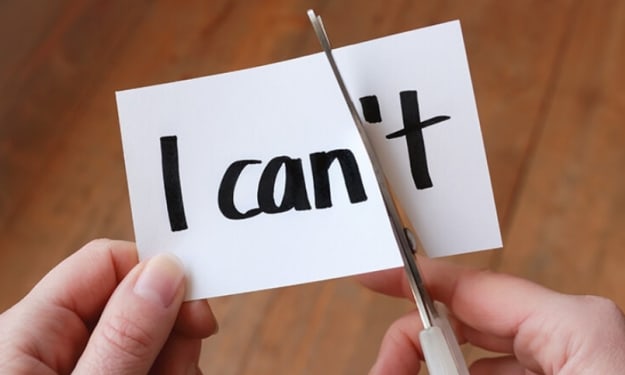
Tips for Overcoming Self-Doubt
Self-doubt is something that everyone experiences at some point in their lives. It can be paralyzing and prevent you from taking action toward your goals. Whether it’s doubt about your abilities, your appearance, or your worth, self-doubt can hold you back from reaching your full potential. However, the good news is that self-doubt is not permanent, and there are effective strategies you can use to overcome it. This article provides practical tips for overcoming self-doubt and building the confidence you need to succeed in all areas of your life. Understanding Self-Doubt Self-doubt is a feeling of uncertainty or lack of confidence in oneself. It can manifest in various ways, such as questioning your decisions, feeling inadequate, or believing you are not capable of achieving your goals. This internal struggle often stems from fear of failure, fear of judgment from others, or past experiences where you may have failed or been criticized. While some level of self-doubt is natural, prolonged or intense self-doubt can be detrimental. It can lead to missed opportunities, procrastination, and a lack of motivation. Overcoming self-doubt is crucial for personal growth and success, as it allows you to take risks, learn from mistakes, and move forward with confidence. Tip 1: Acknowledge and Accept Your Self-Doubt The first step in overcoming self-doubt is to acknowledge it without judgment. Many people try to ignore or suppress their feelings of doubt, but this often leads to them resurfacing later, often at the worst times. By accepting that self-doubt is a normal part of being human, you can begin to disarm its power over you. Instead of trying to eliminate self-doubt entirely, recognize it as a sign that you are stepping outside your comfort zone and growing. When you feel doubt creeping in, remind yourself that it is natural to feel uncertain when you are trying something new or challenging. Self-doubt is not an indication that you are incapable; rather, it is an opportunity to learn and develop resilience. Tip 2: Challenge Your Negative Thoughts One of the main contributors to self-doubt is negative thinking. When you doubt yourself, it’s often because you are focusing on your perceived flaws or shortcomings. You might think, "I’m not good enough," or "I’ll never succeed." These thoughts are not necessarily based on facts, but rather on assumptions or past experiences. To overcome self-doubt, it’s essential to challenge these negative thoughts. Start by questioning their validity. Are they based on evidence, or are they simply fears or insecurities? Ask yourself whether you would say these things to a friend in a similar situation. Most likely, you would offer encouragement and support rather than reinforcing their doubts. Use this same approach with yourself by replacing negative thoughts with more positive, realistic ones. Instead of thinking, "I can’t do this," try telling yourself, "I may not be perfect, but I am capable of learning and improving." Tip 3: Focus on Your Strengths and Achievements When you’re struggling with self-doubt, it’s easy to focus on your weaknesses or perceived failures. However, this only reinforces the belief that you are not capable. A more effective way to overcome self-doubt is to focus on your strengths and past successes. Take time to reflect on the achievements you have made, both big and small. Think about times when you have overcome challenges or successfully accomplished tasks. This will help you recognize that you are capable and resourceful. Consider keeping a "success journal" where you write down your accomplishments, positive feedback from others, and moments when you felt proud of yourself. Revisiting this journal can provide a confidence boost whenever self-doubt creeps in. Reminding yourself of your strengths and successes reinforces the belief that you have the ability to succeed in the future as well. Tip 4: Set Realistic Goals and Take Small Steps Self-doubt often arises when you feel overwhelmed by the scale of a task or goal. The bigger the goal, the more doubt you may have about your ability to achieve it. One way to overcome this is by breaking down larger goals into smaller, manageable steps. Setting realistic, achievable goals allows you to focus on progress rather than perfection. Start with small, actionable steps that will bring you closer to your overall objective. For example, if you are aiming to improve your public speaking skills, start by practicing in front of a mirror or with a trusted friend before speaking in front of a larger group. These smaller steps build your confidence gradually and make the goal seem less intimidating. Tip 5: Surround Yourself with Positive Influences The people you spend time with can have a significant impact on your self-confidence and the way you view yourself. If you are constantly surrounded by individuals who are negative, critical, or unsupportive, it can be difficult to overcome self-doubt. On the other hand, being around positive, uplifting people can help boost your self-esteem and encourage you to take risks. Seek out relationships with people who inspire you and believe in your abilities. These individuals can provide valuable support, motivation, and constructive feedback when needed. Having a strong support system can help you build resilience in the face of self-doubt and remind you that you are not alone in your struggles. Tip 6: Practice Self-Compassion Self-compassion involves treating yourself with kindness and understanding, especially when you make mistakes or face setbacks. Many people who experience self-doubt are also highly self-critical. They may believe that they need to be perfect in order to be worthy or successful. This mindset only reinforces feelings of inadequacy. To overcome self-doubt, practice self-compassion by recognizing that everyone makes mistakes and that failure is a natural part of growth. Rather than beating yourself up over perceived shortcomings, treat yourself with the same kindness and encouragement you would offer a friend. When you approach yourself with self-compassion, you begin to shift your perspective and view yourself as worthy of success, regardless of past mistakes. Tip 7: Take Action Despite Your Doubts Perhaps one of the most powerful ways to overcome self-doubt is to take action, even when you feel uncertain. Self-doubt often stems from fear of failure or making the wrong decision. However, the only way to gain confidence and overcome doubt is by taking steps toward your goals, even if you’re not 100% sure of yourself. Taking action helps you build momentum and proves to yourself that you are capable of making progress, despite your doubts. Each small step you take brings you closer to your goal and reinforces the belief that you can succeed. Over time, your confidence will grow, and self-doubt will become less of a barrier to your success. Tip 8: Seek Professional Help if Necessary If self-doubt is persistent and deeply affecting your mental health or ability to function, it may be helpful to seek professional support. A therapist or counselor can help you explore the root causes of your self-doubt and provide tools for managing it. Cognitive-behavioral therapy (CBT) is one approach that has been shown to be effective in addressing negative thought patterns and boosting self-confidence. There is no shame in seeking help, and doing so can be a valuable step toward overcoming self-doubt and improving your mental well-being. Conclusion
By Nora Ariana2 years ago in Education
How to Break Bad Habits and Build New Ones
Breaking bad habits and building new ones is a challenge that many people face at some point in their lives. Whether it’s smoking, procrastination, unhealthy eating, or any other negative behavior, these habits can hinder personal growth and prevent you from reaching your full potential. However, the good news is that it is entirely possible to break bad habits and replace them with positive ones. This process requires self-awareness, commitment, and the right strategies. This article will guide you through practical steps to help you break bad habits and build new, healthier ones. Understanding Habits Before you can break a bad habit, it’s important to understand how habits form in the first place. Habits are behaviors that are repeated regularly and tend to occur subconsciously. Over time, the brain forms neural pathways that make these behaviors automatic, so you don’t have to think about them consciously. This is why habits can be so difficult to change—once a behavior becomes ingrained, it’s easy to slip back into it without even realizing it. Habits can be positive or negative. Positive habits, like exercising regularly or eating healthy foods, can improve your life, while negative habits, like smoking or excessive screen time, can have detrimental effects. The key to success lies in replacing negative habits with positive ones and rewiring your brain to adopt healthier behaviors. Step 1: Identify the Habit and Its Triggers The first step in breaking a bad habit is identifying it and understanding its triggers. Bad habits are often the result of specific situations or emotional states that prompt you to act in a certain way. For example, you may find yourself reaching for a cigarette when you’re stressed or eating unhealthy foods when you’re bored. These triggers can be external, like a stressful work situation, or internal, such as feeling anxious or overwhelmed. By identifying the specific triggers for your bad habits, you can begin to develop strategies to deal with them in a healthier way. Pay attention to the situations in which you tend to engage in the habit and take note of how you feel at those times. This awareness is crucial for breaking the cycle of negative behavior. Step 2: Set Clear and Achievable Goals Once you have identified your bad habits and their triggers, the next step is to set clear and achievable goals for breaking them. It’s important to be specific about what you want to change and why. Rather than simply saying, “I want to stop smoking,” set a concrete goal like, “I will reduce my cigarette consumption by one cigarette per day for the next week.” This goal is measurable and gives you something concrete to work toward. Setting small, achievable goals helps build momentum and makes the process of breaking a habit less overwhelming. Start with manageable changes and gradually increase the difficulty as you make progress. This approach will help you feel more in control and motivated to continue working toward your ultimate goal. Step 3: Replace the Bad Habit with a Positive One One of the most effective ways to break a bad habit is to replace it with a positive one. Simply trying to eliminate a negative behavior without offering a replacement can leave a void, making it easier to fall back into the old habit. By substituting a positive behavior, you provide yourself with a healthier alternative that satisfies the same need or desire. For example, if you tend to snack on unhealthy foods when you’re stressed, you could replace this habit with a healthier alternative, such as eating a piece of fruit or going for a walk. Similarly, if you find yourself procrastinating, try replacing that behavior with a more productive activity, such as tackling a small task immediately or setting a timer to work for short bursts of time. When you replace a bad habit with a positive one, it’s essential to make the new behavior easy and accessible. The more effort required to engage in the positive behavior, the less likely you are to stick with it. Therefore, make sure your new habit is convenient and enjoyable, so you’re more likely to stick with it in the long run. Step 4: Practice Mindfulness and Self-Awareness Mindfulness is the practice of being fully present in the moment and aware of your thoughts, feelings, and actions. When it comes to breaking bad habits, mindfulness can help you become more aware of when you are about to engage in a negative behavior. By practicing mindfulness, you can catch yourself in the act and make a conscious decision to choose a different action. Mindfulness also helps you become more aware of your emotions and stress levels, which are often linked to the triggers for bad habits. By developing mindfulness skills, you can manage your emotions more effectively and prevent negative behaviors from taking over. Incorporating mindfulness into your daily routine can be as simple as taking a few minutes each day to meditate, practice deep breathing, or reflect on your thoughts. Over time, mindfulness will help you become more aware of your habits and provide you with the mental clarity needed to break free from them. Step 5: Be Patient and Stay Consistent Breaking bad habits and building new ones is a process that takes time, and it’s important to be patient with yourself. It’s easy to get discouraged if you slip up or don’t see immediate results, but it’s essential to stay consistent and keep working toward your goals. Research shows that it takes an average of 21 to 66 days to form a new habit, depending on the complexity of the behavior. During this time, you may face setbacks, but that doesn’t mean you’ve failed. Rather than giving up, acknowledge the setback, learn from it, and continue moving forward. Consistency is key to forming lasting change. Celebrate your successes, no matter how small they may seem. Recognizing your progress will help you stay motivated and reinforce the new positive behavior. Every time you make the right choice, you are rewiring your brain and reinforcing the new habit. Step 6: Seek Support and Accountability Breaking bad habits can be difficult, especially when you try to do it alone. Seeking support from others can increase your chances of success. Whether it’s a friend, family member, or support group, having someone to share your progress with can provide motivation and encouragement. Accountability is another powerful tool in habit change. When you share your goals with others, you are more likely to stay committed to them. You can check in with your accountability partner regularly to discuss your progress, setbacks, and successes. This support can help you stay on track and provide the encouragement you need to push through difficult moments. Step 7: Stay Focused on the Long-Term Benefits Finally, it’s important to keep the long-term benefits of breaking bad habits in mind. Focusing on how your new habits will improve your health, productivity, and overall well-being can help you stay motivated throughout the process. Visualize how your life will improve once you’ve successfully replaced your bad habits with healthier behaviors. By focusing on the positive outcomes, you’ll be more likely to stay committed and keep moving forward, even when challenges arise. Remember, change is a journey, and each step forward brings you closer to your goals. Conclusion
By Nora Ariana2 years ago in Education
The Power of Positive Thinking for Success
The power of positive thinking is often underestimated, yet it is one of the most transformative tools available for achieving success and living a fulfilling life. While success is typically associated with hard work, talent, and strategy, the role of a positive mindset cannot be ignored. Positive thinking influences how you approach challenges, interact with others, and pursue your goals. It shapes your outlook on life, enhancing both your mental and physical well-being. This article explores how cultivating a positive mindset can unlock your potential and pave the way to success. At its core, positive thinking involves focusing on the good in every situation, maintaining an optimistic outlook, and expecting favorable outcomes. It does not mean ignoring difficulties or living in denial of life’s challenges. Rather, it means approaching difficulties with a hopeful and productive attitude. This mindset allows you to see setbacks as learning opportunities and motivates you to keep pushing forward even when things get tough. One of the primary ways positive thinking contributes to success is by improving self-confidence. When you believe in your abilities and maintain an optimistic attitude, you are more likely to take risks and seize opportunities. Confidence fuels perseverance, and when combined with hard work, it becomes a powerful force for success. On the other hand, negative thinking breeds doubt and fear, which can prevent you from taking the necessary steps toward your goals. Another significant benefit of positive thinking is its impact on stress management. Life is filled with challenges and uncertainties, but a positive mindset can help you navigate these situations more effectively. When you maintain an optimistic outlook, your body produces lower levels of stress hormones such as cortisol. This reduces the negative impact of stress on your health and helps you remain calm and focused under pressure. With a clear and composed mind, you are better equipped to find solutions and make informed decisions.
By Nora Ariana2 years ago in Education
How to Build Confidence in 30 Days
Building confidence is a transformative journey that involves self-awareness, practice, and consistency. It is often a crucial factor for success in various areas of life, from personal growth to professional achievements. Confidence enables individuals to take risks, overcome challenges, and pursue opportunities without being held back by self-doubt or fear. While building lasting confidence is a gradual process, it is possible to make significant strides in just 30 days by implementing specific strategies and habits. This article will guide you through a step-by-step process to help you build confidence within a month. Day 1-5: Self-Reflection and Goal Setting The first step in building confidence is understanding where you currently stand. Self-reflection is key to recognizing your strengths, acknowledging your weaknesses, and identifying the areas where you want to improve. Take the time to reflect on your past experiences, both successes and failures, and think about how they shaped your self-perception. Start by writing down your thoughts and feelings about your current level of confidence. What are your fears? What achievements are you proud of? By recognizing where you are, you create a foundation from which to build. Next, set clear and specific goals for the next 30 days. These goals should be measurable and realistic, such as speaking up more in meetings, approaching new people, or taking on a challenging task at work. Having a clear roadmap will help you stay focused and motivated as you work towards your confidence-building objectives. Day 6-10: Positive Self-Talk and Affirmations Confidence begins in the mind, and one of the most powerful ways to influence your mindset is through positive self-talk. The way you speak to yourself can either build or destroy your confidence. Negative self-talk, such as "I'm not good enough" or "I will fail," only reinforces feelings of insecurity and self-doubt. On the other hand, positive affirmations help reshape your mindset and encourage a more optimistic outlook on life. Over the next five days, focus on replacing negative thoughts with positive, affirming statements. For example, you can repeat to yourself, "I am capable," "I believe in my abilities," or "I am deserving of success." The more you repeat these affirmations, the more they will become ingrained in your subconscious, ultimately influencing your confidence levels. It may feel awkward at first, but over time, it will feel more natural. Day 11-15: Body Language and Posture Your body language plays a significant role in how others perceive you and, more importantly, how you perceive yourself. Adopting a confident posture can help you feel more assured and project a sense of self-belief. Simple changes in how you stand, sit, or walk can have a profound impact on your overall confidence. For the next five days, focus on improving your body language. Stand tall with your shoulders back, keep your head held high, and make eye contact when engaging with others. Avoid slouching or crossing your arms, as these can convey insecurity or discomfort. Practice this body language every day, and over time, it will become second nature. As you begin to exhibit confident body language, you'll start to feel more confident from within as well. Day 16-20: Take Action and Step Outside Your Comfort Zone Confidence is built through experience and action. One of the best ways to build confidence is to actively challenge yourself by stepping outside your comfort zone. During the next five days, commit to taking small actions that push you beyond your usual limits. Whether it's starting a conversation with a stranger, volunteering for a new project at work, or speaking in public, these experiences will help you build resilience and prove to yourself that you are capable. When you take action and face your fears, you build a track record of success that strengthens your confidence. Each time you step outside your comfort zone, you show yourself that you are more capable than you initially believed. The key is to start with small, manageable steps and gradually increase the level of challenge as your confidence grows. Day 21-25: Celebrate Small Wins Building confidence is not just about overcoming challenges; it’s also about acknowledging your progress along the way. Celebrating small wins is crucial to maintaining motivation and reinforcing positive behavior. Each time you achieve a goal, no matter how small, take a moment to appreciate your efforts. For the next five days, make it a habit to celebrate your achievements, whether it’s finishing a task at work, speaking up in a meeting, or overcoming a fear. You can reward yourself with something simple, like treating yourself to a favorite meal or taking time to relax. Recognizing your progress will help you stay motivated and reinforce the idea that you are capable of accomplishing even more. Day 26-30: Visualization and Future Planning Visualization is a powerful technique used by many successful people to build confidence and achieve their goals. It involves mentally picturing yourself succeeding in your endeavors, which helps increase your belief in your abilities. Over the final five days of your 30-day journey, practice visualization by imagining yourself confidently handling situations you typically find challenging. Take a few minutes each day to sit quietly and visualize yourself speaking confidently in a meeting, giving a presentation, or achieving a personal goal. Picture yourself feeling proud and accomplished, as if you have already succeeded. This practice will help you internalize success and increase your self-belief. In addition to visualization, take the time to plan for the future. Building confidence is an ongoing process, and it’s important to set new goals for the next phase of your journey. What do you want to achieve beyond these 30 days? By thinking ahead and creating a plan for continued growth, you can ensure that your confidence continues to flourish long after this month ends. Consistency is Key While these steps are designed to help you build confidence within 30 days, the key to lasting confidence lies in consistency. Confidence is not something that is achieved overnight, and it requires ongoing effort to maintain and strengthen it. Even after completing the 30-day process, continue practicing the habits and strategies that have worked for you. Incorporate positive self-talk, body language, and action into your daily routine. Keep challenging yourself by stepping outside your comfort zone and taking on new opportunities. Celebrate your achievements, both big and small, and continue visualizing your future success. Confidence is an evolving process that grows over time, and with dedication and practice, you will continue to build on the foundation you’ve created during these 30 days. Conclusion
By Nora Ariana2 years ago in Education
Debunking Myths: The Truth About Pursuing a B.Com Degree
In a world where specialization and advanced knowledge are highly valued, a Bachelor of Commerce (BCom) degree offers a solid foundation for aspiring professionals. However, misconceptions about this degree often discourage students from exploring its full potential.
By iDigitize Infotech LLP2 years ago in Education
The Magic of Travel. AI-Generated.
Travel is some different option from a trip beginning with one spot then onto the following; an experience licenses us to extend our perspectives, learn about new social orders, and make persevering through memories. Whether you're examining the clamoring streets of a critical city, moving through the peaceful open nation, or relaxing on an isolated sea side, travel has an uncommon way to deal with upgrading our lives. We ought to dive into why travel is so huge and the impact it has on us.
By Arean Ahamad2 years ago in Education
How Memes Are Changing Modern Communication
In recent years, memes have evolved from being humorous images or videos shared among friends on the internet to a dominant force in communication. What once started as a niche aspect of online culture has now become a global phenomenon that shapes the way we interact with each other, consume information, and even influence social and political landscapes. The simplicity, relatability, and humor embedded in memes make them an essential tool for modern communication. In this article, we’ll explore how memes are changing the way we communicate, why they are so effective, and the broader impact they have on society. The Rise of Memes in Modern Communication Memes, as we understand them today, are often visual images or videos, accompanied by text that provides context or humor. The term "meme" itself was coined by Richard Dawkins in his 1976 book *The Selfish Gene, where he referred to a meme as an idea, behavior, or style that spreads from person to person within a culture. However, in the digital age, memes have transformed into a format primarily shared and spread through social media platforms such as Instagram, Twitter, Facebook, and Reddit. The ability of memes to travel rapidly and resonate with large groups of people has played a significant role in their popularity. A single meme can go viral in a matter of hours, thanks to the interconnectedness of the online world.
By Nora Ariana2 years ago in Education