student
From balancing your course load to forging relationships with classmates to extracurricular involvement, these are the tried and true methods to nail your career as a student.
5-Minute Habits That Will Change Your Life
In today’s fast-paced world, finding ways to improve our lives without overhauling everything can feel impossible. However, small changes can make a huge impact when practiced consistently. Sometimes, the key to transforming your life lies in simple habits that only take a few minutes but can lead to long-term benefits. Whether you want to boost productivity, improve your mental well-being, or foster better relationships, these five-minute habits are a great place to start. One of the most effective habits you can incorporate into your routine is the practice of gratitude. Taking just a few minutes each day to reflect on what you’re thankful for can significantly improve your outlook on life. Studies have shown that gratitude can increase happiness, reduce stress, and even improve physical health. The habit is simple—each morning or evening, take five minutes to jot down three things you’re grateful for. They don’t have to be big things; even small, everyday occurrences can have a profound impact on your mental state. Over time, this habit helps you focus on the positive aspects of your life, shifting your mindset from one of scarcity to abundance. Another powerful habit is mindful breathing. Mindfulness is the practice of being fully present in the moment, and one of the simplest ways to practice mindfulness is through controlled breathing. In just five minutes, you can calm your mind, reduce anxiety, and center yourself for the day ahead. Find a quiet spot, sit comfortably, and focus on your breath. Take deep, slow inhales through your nose, hold for a few seconds, and then exhale slowly through your mouth. This technique can help lower your heart rate and reduce the production of stress hormones, making it an ideal way to reset when you feel overwhelmed. The more you practice mindful breathing, the better you'll become at managing stress in your daily life. Physical activity doesn’t always require an hour at the gym to make a difference. A quick five-minute workout can also have a significant impact on your energy levels, mood, and overall health. Whether it's a set of bodyweight exercises, a short walk, or a quick yoga session, taking just five minutes to move your body will help improve circulation, boost endorphins, and increase mental clarity. Start with simple exercises like jumping jacks, push-ups, or squats. If you prefer a more mindful approach, try a few minutes of stretching or deep yoga poses. A short burst of exercise can help you feel more energized and focused, making it easier to tackle the challenges ahead. An excellent habit for both mental and physical well-being is staying hydrated. Dehydration can lead to fatigue, headaches, and difficulty concentrating. In the hustle and bustle of daily life, it’s easy to forget to drink enough water, but taking just five minutes to hydrate can work wonders for your body and mind. Keep a water bottle at your desk or in your bag, and make it a habit to drink water regularly throughout the day. Not only does proper hydration improve your physical health, but it also supports cognitive function and mood regulation. In just five minutes, you can hydrate yourself and set yourself up for a more productive and focused day. Another life-changing habit is reading. While finding time to read a full book may seem challenging, carving out just five minutes to read each day can make a difference in your life. Reading for even a short amount of time can expand your knowledge, improve focus, and reduce stress. Whether you prefer fiction, non-fiction, or self-help books, the habit of reading fosters personal growth and broadens your perspective. You don’t need to dedicate hours to reading; simply commit to reading a few pages or chapters a day. Over time, this small habit will compound, enriching your mind and contributing to your personal development. Taking a few minutes each day to prioritize self-care is another habit that can drastically improve your life. Self-care is often misunderstood as something indulgent, but it’s essential for mental and emotional health. Self-care can take many forms, from taking a hot bath to engaging in a hobby or practicing a quick meditation. The key is to take time for yourself, away from the demands of work, family, and other responsibilities. These five-minute moments of self-care help recharge your emotional battery, reduce stress, and increase your sense of well-being. It’s important to recognize that self-care isn’t selfish—it’s necessary for maintaining balance in your life. To complement these habits, setting small daily goals can also be transformative. In just five minutes, take a moment to set three achievable goals for the day. These goals should be specific, measurable, and realistic. By focusing on a few small tasks, you’re more likely to complete them, which can boost your confidence and motivation. Instead of feeling overwhelmed by a long to-do list, breaking tasks into manageable steps can help you stay on track and feel more in control. The act of setting goals gives your day structure, allowing you to accomplish more in less time. Additionally, the power of positive affirmations can help reframe your mindset and improve your self-esteem. Taking five minutes each day to recite affirmations can shift your thinking from negative to positive. Affirmations are statements of self-empowerment that encourage you to believe in your abilities. For example, saying, "I am capable of overcoming challenges," or, "I am worthy of success," can help you combat self-doubt and build confidence. Over time, these positive statements begin to influence your subconscious mind, creating a foundation of resilience and self-belief. Another small habit that can yield long-term results is practicing kindness. Taking five minutes to perform a random act of kindness, whether it’s sending a thoughtful message to a friend, holding the door for someone, or offering a compliment, can enhance both your mood and the mood of others. Acts of kindness have been linked to increased happiness, reduced stress, and improved relationships. The best part is that it doesn’t take much time or effort to make a positive impact. By making kindness a regular habit, you create a ripple effect that improves your life and the lives of those around you. Lastly, decluttering your space for just five minutes a day can have a profound impact on your productivity and mental clarity. A cluttered environment can lead to a cluttered mind, making it difficult to focus and feel at ease. Spend five minutes each day tidying up your desk, organizing your kitchen, or putting away clothes. This simple habit can create a sense of order, reduce stress, and help you feel more in control of your surroundings. Over time, small daily efforts will accumulate into a more organized and peaceful living space. Incorporating these five-minute habits into your routine may seem like a small effort, but the benefits they provide can be life-changing. These habits don’t require significant time or energy, yet they hold the power to improve your mental, emotional, and physical well-being. By committing to just a few minutes each day, you’re taking proactive steps to build a better, more balanced life. Start small, and remember that consistency is key. Over time, these habits will become ingrained in your daily routine, leading to lasting positive change.
By Nora Ariana2 years ago in Education
The Foundation of Data Science Concepts
Data science is more than just crunching numbers. It’s a field that connects statistics, computer science, and business strategy to make smart decisions. As a Senior Data Analyst, I’ve come to realize that the core of success in this field lies in mastering key Data Science Concepts. These fundamental ideas guide everything we do, from analyzing raw data to delivering meaningful business insights.
By Harish Kumar Ajjan2 years ago in Education
Exploring Software Engineering: Skills, Tools, and Innovation
Software engineering is one of the most dynamic fields in technology today. From developing mobile apps to building complex algorithms, software engineers are at the forefront of digital innovation, shaping the world as we know it. In this blog, we will explore the essential skills, tools, and innovative approaches that define the profession, while also highlighting the contributions of passionate individuals like Shuvo Shahariyer, who exemplify the drive and curiosity that drive the field forward.
By Shuvo Shahariyer2 years ago in Education
Top 15 earn money online 2025
Freelancing & Services: 1/ Freelance Writing – If you’ve been scouring the internet for info on what freelance writers do and, more importantly, what a freelance writing career entails, you’re not alone. A freelance writer is an independent contractor who contributes articles to numerous publications for a living. It is entirely up to freelance writers to choose who they work for.
By TAJUL ISLAM2 years ago in Education
The Benefits of Meditation and How to Get Started
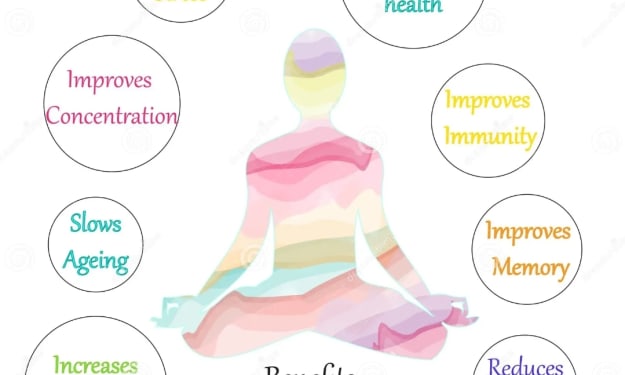
Meditation has been practiced for thousands of years, originating in ancient traditions as a way to promote mental clarity, self-awareness, and emotional balance. Today, it has become a widely popular practice, embraced by people from all walks of life, from busy professionals to athletes to spiritual seekers. The benefits of meditation extend far beyond the realm of relaxation; it can have profound effects on mental, emotional, and even physical health. If you're new to meditation or looking to deepen your practice, this article will explore the numerous benefits of meditation and provide practical guidance on how to get started. One of the most well-known benefits of meditation is its ability to reduce stress. In today's fast-paced world, stress is a common challenge that many people face. Chronic stress can contribute to a variety of physical and mental health issues, including anxiety, depression, and even heart disease. Meditation helps activate the body’s relaxation response, reducing the levels of stress hormones like cortisol. When practiced regularly, meditation can train the mind to respond to stressful situations with greater calmness and clarity, helping you navigate challenges with a sense of inner peace. Another key benefit of meditation is its ability to improve focus and concentration. In a world full of distractions, it can be difficult to stay present and focused on the task at hand. Meditation helps train the mind to be more attentive and aware, enhancing cognitive function and boosting productivity. Mindfulness meditation, in particular, encourages you to focus on the present moment, which helps reduce mental clutter and sharpen your attention. Over time, regular meditation practice can improve your ability to concentrate, making it easier to stay focused on work, studies, or personal projects. Meditation also has a powerful impact on emotional well-being. By cultivating mindfulness and self-awareness, meditation allows you to become more in tune with your emotions. Rather than reacting impulsively to difficult emotions like anger, fear, or sadness, meditation helps you observe them without judgment and respond more thoughtfully. This heightened emotional awareness leads to greater emotional regulation, making it easier to handle negative emotions in a healthy way. Studies have shown that meditation can reduce symptoms of anxiety and depression, providing a natural and effective way to improve mental health. In addition to emotional benefits, meditation can enhance physical health. Research has shown that regular meditation can lower blood pressure, improve heart health, and strengthen the immune system. The relaxation response triggered by meditation helps reduce tension in the body, which can alleviate physical symptoms associated with stress, such as headaches, muscle pain, and digestive issues. Meditation has also been linked to improved sleep, as it promotes relaxation and helps quiet the mind before bedtime. For those who suffer from insomnia or other sleep disorders, meditation can be a valuable tool for achieving more restful and rejuvenating sleep. Furthermore, meditation can foster a greater sense of self-compassion and mindfulness. When we are caught up in the busyness of life, it’s easy to become disconnected from ourselves and our needs. Meditation provides a space to slow down, reflect, and cultivate self-awareness. By practicing meditation, you can develop a greater sense of compassion for yourself, accepting your flaws and imperfections without judgment. This sense of self-compassion extends to how you relate to others, fostering greater empathy and kindness in your interactions. Now that we've explored the many benefits of meditation, let's discuss how to get started. Meditation may seem intimidating at first, especially if you're new to the practice, but it doesn't require any special skills or equipment. All you need is a quiet space, a comfortable position, and a willingness to be present. One of the simplest ways to begin is with mindfulness meditation. Start by finding a quiet place where you won't be disturbed. Sit in a comfortable position, either on a chair, cushion, or floor, with your back straight and your hands resting on your knees or in your lap. Close your eyes or keep them gently focused on a point in front of you. Take a few deep breaths to relax and settle into the present moment. The key to mindfulness meditation is focusing on your breath. As you inhale and exhale, bring your full attention to the sensation of the breath entering and leaving your body. If your mind starts to wander, gently bring your focus back to your breath without judgment. It’s natural for the mind to wander, so don’t worry if this happens. The goal is to observe your thoughts without getting caught up in them, simply noticing them and letting them pass. Start with just a few minutes of meditation each day, gradually increasing the time as you feel comfortable. Even five to ten minutes of meditation can provide noticeable benefits, so don’t feel pressured to meditate for long periods of time. Consistency is more important than duration, so try to make meditation a regular part of your daily routine. Another popular meditation practice is guided meditation. This involves following along with an audio or video recording where a teacher or guide leads you through a series of relaxation techniques, visualizations, or mindfulness exercises. Guided meditation can be a helpful way to get started, as it provides structure and direction. There are many apps and online resources available that offer free guided meditations, so you can explore different styles and find one that resonates with you. If you’re looking to deepen your practice, you may also want to explore other forms of meditation, such as loving-kindness meditation (also known as "metta"), which focuses on cultivating compassion and kindness toward yourself and others. There’s also transcendental meditation, which involves repeating a mantra to quiet the mind, and body scan meditation, which involves progressively relaxing each part of the body. The beauty of meditation is that there are many different techniques to explore, so you can find one that works best for you. In addition to formal meditation, you can also incorporate mindfulness into your daily life. Mindfulness is the practice of being fully present and engaged in whatever you’re doing, whether it’s eating, walking, or having a conversation. By bringing mindfulness into your daily activities, you can carry the benefits of meditation with you throughout the day, helping you stay calm, focused, and centered in the midst of everyday stress. In conclusion, meditation offers a wide range of benefits for both the mind and body. By reducing stress, improving focus, enhancing emotional well-being, and fostering greater self-compassion, meditation can lead to a healthier, more balanced life. Whether you're new to meditation or looking to deepen your practice, the key is to start small, be patient with yourself, and enjoy the process. With regular practice, meditation can become a powerful tool for cultivating inner peace, clarity, and resilience in your life.
By Nora Ariana2 years ago in Education
Fostering Emotional Intelligence in Children: Why Schools Should Prioritize It
In recent years, there has been a growing recognition of the importance of emotional intelligence (EQ) in children's development. While academic knowledge and cognitive skills are often prioritized in traditional education systems, emotional intelligence plays a crucial role in a child’s ability to navigate relationships, manage emotions, and achieve success both in school and later in life. Schools, from nurseries to primary and secondary institutions, have an important opportunity to foster emotional intelligence in children, helping them grow into well-rounded, resilient individuals.
By William Henry2 years ago in Education
Why You Should Embrace Vulnerability
In a world that often values strength, independence, and resilience, vulnerability can seem like a weakness. We are taught from an early age to hide our flaws, suppress our emotions, and put on a brave face in the face of adversity. However, the idea that vulnerability is something to be avoided is a misconception. In fact, embracing vulnerability can be one of the most powerful ways to foster growth, connection, and authenticity in our lives. Vulnerability is the willingness to be open, exposed, and honest about our emotions, experiences, and fears. It means allowing ourselves to be seen for who we truly are, without pretending to be someone we're not or masking our insecurities. This may involve sharing our struggles, expressing our feelings, or admitting when we need help. While it can be uncomfortable and intimidating, vulnerability has the potential to bring about profound positive changes in our lives. One of the most important reasons to embrace vulnerability is that it fosters deeper, more authentic connections with others. When we open up about our struggles, our fears, and our true selves, we invite others to do the same. Vulnerability creates a sense of shared humanity, reminding us that we are not alone in our challenges. This openness cultivates empathy and trust, forming the foundation for meaningful relationships, whether with friends, family, or romantic partners. In addition to strengthening our relationships, embracing vulnerability can also lead to personal growth and self-discovery. When we allow ourselves to be vulnerable, we are often forced to confront our deepest fears, insecurities, and limiting beliefs. This process of self-exploration can be uncomfortable, but it is also transformative. By acknowledging our vulnerabilities, we create space for healing and growth. It is through vulnerability that we learn to accept ourselves fully, imperfections and all. Vulnerability is also a key component of creativity and innovation. When we allow ourselves to be open to new ideas, experiences, and challenges, we expand our capacity for creative thinking. Fear of failure or judgment often holds people back from pursuing their passions or expressing themselves authentically. Embracing vulnerability means taking risks, stepping outside of our comfort zones, and being willing to make mistakes. It is through these mistakes that we learn, adapt, and ultimately grow. By embracing vulnerability in our creative endeavors, we give ourselves permission to take risks and explore new possibilities. Another powerful reason to embrace vulnerability is that it allows us to build resilience. Resilience is the ability to bounce back from adversity, and vulnerability plays a crucial role in this process. When we acknowledge our vulnerabilities, we give ourselves the opportunity to ask for help, seek support, and lean on others when needed. Vulnerability enables us to build a strong support network, which is essential for overcoming life's challenges. Rather than seeing vulnerability as a weakness, we can view it as a strength that allows us to navigate difficult situations with grace and courage. Vulnerability also plays a significant role in fostering emotional well-being. When we suppress our emotions or try to hide our vulnerabilities, we create internal tension and stress. Bottling up our feelings can lead to anxiety, depression, and burnout. On the other hand, embracing vulnerability allows us to release these emotions and express them in healthy ways. Whether through talking with a trusted friend, journaling, or engaging in creative outlets, vulnerability provides a safe space for emotional release. By acknowledging and expressing our emotions, we lighten our emotional load and create a sense of emotional freedom. In a world that often promotes perfectionism, embracing vulnerability is also an act of self-compassion. Perfectionism is the belief that we must always perform at our best and meet external expectations, which can create immense pressure and self-criticism. Vulnerability, on the other hand, allows us to accept our flaws and imperfections without judgment. It is the recognition that we are enough just as we are, and that it is okay to be imperfect. Embracing vulnerability means letting go of the need for constant approval and embracing the beauty of being human. Despite the many benefits of vulnerability, it is natural to feel afraid or apprehensive about being vulnerable. Our society often rewards strength, stoicism, and self-reliance, which can make it difficult to let our guard down. Additionally, past experiences of rejection or hurt can make us hesitant to open up to others. However, it is important to remember that vulnerability does not mean being indiscriminately open with everyone. It is about choosing to share your authentic self with the people who are trustworthy and supportive. Vulnerability requires discernment, and it is important to establish boundaries and protect your emotional well-being. Building the courage to embrace vulnerability is a gradual process. It starts with small steps, such as sharing your thoughts and feelings with a trusted friend or admitting when you don’t have all the answers. It also involves shifting your mindset from viewing vulnerability as a weakness to seeing it as a source of strength. This shift can take time, but with practice, vulnerability becomes a powerful tool for personal growth, connection, and resilience.
By Nora Ariana2 years ago in Education
How to Develop Emotional Intelligence
Emotional intelligence, often referred to as EQ, is the ability to understand, manage, and express emotions effectively while also being aware of and empathetic toward the emotions of others. In today's world, where interpersonal communication and collaboration are crucial, emotional intelligence has become just as important, if not more so, than technical skills. People with high emotional intelligence are often better at handling stress, building relationships, and making thoughtful decisions. Developing emotional intelligence is a journey that requires self-awareness, practice, and patience. While some people may naturally have a high EQ, it is a skill that can be cultivated and refined over time. Here are key strategies to help you build and enhance your emotional intelligence. Self-awareness is the cornerstone of emotional intelligence. It involves recognizing your emotions and understanding how they influence your thoughts and actions. To develop self-awareness, start by regularly checking in with yourself. Pay attention to your emotional responses throughout the day and identify the triggers behind them. Journaling can be a helpful tool for reflecting on your emotions and gaining insights into your patterns of behavior. By becoming more attuned to your emotions, you can respond to situations in a more thoughtful and controlled manner. Self-regulation is another critical component of emotional intelligence. It involves managing your emotions in a way that is constructive and appropriate for the situation. While it's natural to feel angry, anxious, or frustrated at times, emotional intelligence allows you to express these feelings in a healthy and controlled way. Techniques such as deep breathing, mindfulness, and taking a brief pause before reacting can help you regulate your emotions. The goal is not to suppress your feelings but to manage them in a way that maintains your composure and promotes positive outcomes. Empathy is a fundamental aspect of emotional intelligence and involves understanding and sharing the feelings of others. When you practice empathy, you become more attuned to the emotions and perspectives of those around you. This can strengthen your relationships and improve your communication skills. To develop empathy, practice active listening by giving your full attention to others without interrupting or judging. Try to put yourself in their shoes and validate their feelings, even if you don't necessarily agree with their perspective. Effective communication is closely tied to emotional intelligence. Being able to express yourself clearly and listen attentively to others fosters meaningful connections and reduces misunderstandings. Pay attention not only to the words being spoken but also to non-verbal cues such as body language and tone of voice. When communicating, use "I" statements to express your feelings without blaming others. For example, say "I felt hurt when you didn't include me" rather than "You ignored me." This approach encourages open and constructive conversations. Another key aspect of emotional intelligence is social awareness, which involves understanding the dynamics of social interactions and the emotions of groups. Developing social awareness requires paying attention to social cues and being mindful of how your actions impact others. By observing the dynamics in various social settings, you can become more attuned to group dynamics and build stronger connections. Building strong relationships is a natural outcome of high emotional intelligence. People with well-developed EQ tend to be more approachable, empathetic, and understanding, making them better at forming and maintaining relationships. To cultivate meaningful connections, be genuine and authentic in your interactions. Show appreciation and acknowledge the contributions of others. When conflicts arise, approach them with a problem-solving mindset rather than placing blame. This fosters trust and strengthens bonds. Developing emotional intelligence also involves cultivating resilience, which is the ability to bounce back from challenges and setbacks. Life is filled with uncertainties and difficulties, but how you respond to these situations can make a significant difference. Building resilience requires maintaining a positive outlook, seeking support from others when needed, and learning from failures. Practicing self-compassion and focusing on solutions rather than dwelling on problems can help you navigate difficult times with grace and strength. Mindfulness plays a crucial role in developing emotional intelligence. By practicing mindfulness, you can become more present and aware of your thoughts, feelings, and surroundings. This heightened awareness allows you to better understand your emotional responses and make conscious choices in how you react to situations. Mindfulness techniques such as meditation, deep breathing, and body scans can help you cultivate a greater sense of self-awareness and emotional regulation. Self-motivation is another essential component of emotional intelligence. It involves setting goals, staying focused, and maintaining a positive attitude despite challenges. People with high self-motivation are driven by their internal values and aspirations rather than external rewards. To develop self-motivation, set meaningful and achievable goals, celebrate your progress, and cultivate a growth mindset that views challenges as opportunities for learning and improvement. It's important to recognize that developing emotional intelligence is a lifelong journey. There will be times when you falter or struggle to manage your emotions, but each experience offers an opportunity for growth and learning. Be patient with yourself and embrace the process. As you continue to practice and refine your emotional intelligence skills, you will find that your relationships improve, your decision-making becomes more thoughtful, and your ability to navigate life's challenges strengthens. In conclusion, emotional intelligence is a powerful skill that can enhance your personal and professional life. By developing self-awareness, self-regulation, empathy, effective communication, social awareness, and resilience, you can become more emotionally intelligent and better equipped to handle the complexities of modern life. Remember that emotional intelligence is not about being perfect but about being present, understanding, and compassionate toward yourself and others. As you cultivate these skills, you'll find greater fulfillment and success in your interactions and experiences.
By Nora Ariana2 years ago in Education
CT School Closings: Causes, Impact, and What Parents Need to Know
Introduction School closings in Connecticut have become a pressing issue, affecting students, parents, and educators alike. Whether due to severe weather, financial constraints, or health emergencies, these closures can disrupt learning and create logistical challenges for families. Understanding the causes, impacts, and potential solutions to school closings is crucial for communities statewide. This article delves into why schools in Connecticut close, how it affects various stakeholders, and what steps can be taken to mitigate the disruptions.
By Nisa Shamshair2 years ago in Education
The Future of Education: How Technology is Shaping Nurseries and Schools
In recent years, technology has become an integral part of education at all levels, from nursery schools to higher education. The digital age has revolutionized how children learn, interact, and engage with educational content. In nurseries and schools, technology is not just a supplement to traditional teaching methods, but a powerful tool that enhances learning, fosters creativity, and prepares students for the future. As we look ahead, the role of technology in education will only continue to grow, reshaping how students experience learning at every stage of their development.
By William Henry2 years ago in Education
The Power of Journaling for Self-Discovery
In a fast-paced world filled with distractions and constant demands, it can be challenging to connect with ourselves on a deeper level. Amid the chaos, journaling offers a simple yet transformative practice that allows us to slow down, reflect, and gain insights into our thoughts, feelings, and experiences. Journaling is more than just writing down daily events; it is a powerful tool for self-discovery and personal growth. At its core, journaling provides a safe space for self-expression. When we put pen to paper, we create an intimate dialogue with ourselves. This process allows us to explore our innermost thoughts and feelings without judgment. It’s a form of mental and emotional release that can be both therapeutic and enlightening. Through journaling, we often uncover patterns in our thoughts and behaviors that we may not have noticed otherwise. This increased self-awareness is the first step toward meaningful personal transformation. One of the most significant benefits of journaling is that it helps clarify our thoughts and emotions. In the hustle and bustle of daily life, our minds can become cluttered with worries, to-do lists, and conflicting emotions. Writing things down can bring order to this mental chaos. As we put our thoughts into words, they become more concrete and easier to understand. This clarity can lead to better decision-making and a greater sense of control over our lives. Journaling also serves as a tool for problem-solving. When faced with challenges or dilemmas, writing about them can help us see the situation from different perspectives. It allows us to break down complex issues into manageable parts and explore potential solutions. Sometimes, the simple act of writing can reveal answers that were hidden in the depths of our minds. Even when solutions aren’t immediately apparent, the process of journaling can provide a sense of relief and empowerment. Another powerful aspect of journaling is its ability to track personal growth over time. By regularly documenting our thoughts, feelings, and experiences, we create a record of our journey. Looking back on past entries can be incredibly enlightening. We can see how far we’ve come, recognize the lessons we’ve learned, and appreciate the progress we’ve made. This retrospective perspective can boost our confidence and motivate us to keep moving forward. Journaling is also a valuable tool for cultivating gratitude. When we take the time to reflect on the positive aspects of our lives, we shift our focus from what’s lacking to what we have. Writing down things we’re grateful for, no matter how small, can foster a more positive outlook and improve overall well-being. Gratitude journaling has been shown to reduce stress, increase happiness, and strengthen resilience in the face of challenges. Furthermore, journaling can help us connect with our goals and aspirations. By writing about our dreams and desires, we gain a clearer understanding of what truly matters to us. Journaling can be a space for setting intentions, mapping out action plans, and visualizing the future we want to create. It serves as a reminder of our ambitions and helps us stay accountable to ourselves. In addition to its mental and emotional benefits, journaling has physical health advantages as well. Research has shown that expressive writing can reduce stress levels, lower blood pressure, and improve immune function. The act of writing itself can be calming, providing a sense of mindfulness that helps us stay grounded in the present moment. For those new to journaling, getting started can feel intimidating. However, there are no rules to follow. Journaling is a deeply personal practice, and it can take many forms. Some people prefer traditional pen-and-paper journals, while others use digital platforms. The key is to find a method that feels comfortable and enjoyable. One common approach is free writing, where you simply write whatever comes to mind without worrying about grammar, structure, or coherence. This stream-of-consciousness style allows for unfiltered self-expression and can lead to unexpected insights. Another popular method is prompted journaling, where you respond to specific questions or prompts designed to encourage reflection. Prompts such as "What am I grateful for today?" or "What challenges have I faced recently, and how did I overcome them?" can provide valuable starting points. Bullet journaling is another creative and structured option. It combines elements of traditional journaling, to-do lists, and habit tracking. This method allows you to organize your thoughts and goals while also fostering creativity through visual elements like drawings and color-coded sections. Morning pages, a technique popularized by author Julia Cameron, involve writing three pages of longhand, stream-of-consciousness text first thing in the morning. The idea is to clear your mind of mental clutter and set a positive tone for the day. Regardless of the method you choose, consistency is key. Regular journaling, even if only for a few minutes a day, can yield significant benefits over time. The more you engage with the practice, the more natural and rewarding it becomes. It’s important to approach journaling with an open and non-judgmental mindset. There’s no right or wrong way to journal, and it’s perfectly okay to have entries that feel messy or incomplete. The goal is not to produce a polished piece of writing but to engage in an honest and meaningful dialogue with yourself.
By Nora Ariana2 years ago in Education