student
From balancing your course load to forging relationships with classmates to extracurricular involvement, these are the tried and true methods to nail your career as a student.
The Future of Work: How AI Is Reshaping Careers in 2025
The Future of Work: How AI Is Reshaping Careers in 2025 From automation to augmentation—discover how artificial intelligence is transforming the job market, the skills you need to stay ahead, and what the workplace of tomorrow looks like. In just a few short years, the workplace as we knew it has undergone a profound transformation. As we stand in 2025, artificial intelligence (AI) is no longer a futuristic concept—it is a daily reality. From chatbots handling customer service to machine learning algorithms aiding medical diagnoses, AI has made its presence felt in nearly every industry. But while many feared it would replace humans altogether, the truth is more nuanced: AI is reshaping careers, not erasing them. A New Era of Collaboration AI has changed the nature of work by shifting focus from task-based roles to problem-solving and creativity. Routine and repetitive jobs—like data entry, scheduling, and even some aspects of accounting—have largely been automated. However, this has not led to widespread unemployment. Instead, it has unlocked new opportunities for humans to focus on areas where machines still fall short: emotional intelligence, strategic thinking, and innovation. Take the healthcare industry, for example. AI tools now assist radiologists by identifying anomalies in scans with astonishing accuracy. But it is still the human doctors who interpret these results in context, communicate them with compassion, and make final decisions. In this way, AI has become more of a partner than a threat. The Rise of New Job Categories The AI revolution has created entirely new job categories that didn't exist a decade ago. Roles such as AI ethicist, prompt engineer, data bias auditor, and human-AI collaboration specialist are now in demand. These jobs require a unique blend of technical know-how, critical thinking, and human-centric design. Companies are also investing in "hybrid" roles—positions that combine traditional skills with AI tools. For instance, marketers today don't just create campaigns; they also use AI to analyze consumer behavior and optimize content in real time. Similarly, teachers are using AI to personalize learning experiences for students, ensuring that no one gets left behind. Skills That Matter in 2025 In the AI-driven workplace, adaptability is key. While technical skills like coding, data analysis, and machine learning are valuable, soft skills have become equally—if not more—important. According to a recent global workplace study, the top five most sought-after skills in 2025 are: 1. Critical Thinking and Problem Solving 2. Emotional Intelligence 3. Digital Literacy 4. Creativity 5. Collaboration Employers are placing a premium on lifelong learners—those who are open to upskilling and reskilling as technology evolves. Online platforms, bootcamps, and micro-certifications have made continuous education more accessible than ever. Remote Work and the AI-Powered Office The pandemic years accelerated the adoption of remote work, and AI has helped make it sustainable. Smart virtual assistants now schedule meetings based on everyone’s availability, transcription tools summarize conversations instantly, and project management software uses AI to allocate resources efficiently. In many organizations, physical offices have become optional. Virtual workspaces using augmented reality (AR) and virtual reality (VR) are gaining popularity, allowing employees to "meet" in immersive environments regardless of their physical location. This shift has broadened the talent pool for employers and increased work-life balance for employees. However, it also brings challenges. Maintaining company culture, ensuring cybersecurity, and managing digital fatigue are issues that need to be addressed with thoughtful leadership and innovative solutions. Ethical Considerations and the Human Touch As AI takes on more responsibilities, ethical considerations have moved to the forefront. Questions around data privacy, algorithmic bias, and transparency are no longer theoretical—they are real, pressing issues that require regulation and oversight. Companies are being held accountable not just for how they use AI, but for how they train it. Biased data can lead to discriminatory outcomes, whether it's in hiring decisions or loan approvals. That’s why roles focused on auditing and de-biasing AI systems are so important. Moreover, consumers increasingly demand transparency. They want to know when they’re interacting with an AI and how their data is being used. In response, companies are implementing ethical AI frameworks and being more open about their practices. Preparing for the Future The question is no longer if AI will affect your career—it’s how. Whether you’re a student planning your path, a professional considering a career change, or a business leader navigating the future, understanding AI’s role is essential. Here are a few steps to stay ahead: Stay Curious: Keep learning about AI developments in your field. Invest in Skills: Focus on both technical and soft skills that are in demand. Think Beyond Jobs: Consider the broader value you bring—creativity, empathy, leadership. Embrace Change: View AI as a tool, not a competitor. Those who collaborate with it will thrive. Conclusion The future of work in 2025 is not about choosing between man or machine—it’s about creating synergy between both. AI is reshaping careers by taking over repetitive tasks and opening the door to more meaningful, impactful work. Those who embrace this change, adapt their skills, and lead with a human-first mindset will not only survive but thrive in this exciting new era.
By Faizan Malikabout a year ago in Education
A Student’s Guide to Human Rights Law: Cases & Essay Success
Why Human Rights Law Deserves Your Full Attention (Yes, Even for Assignments!) Let’s face it—Human Rights Law assignments can feel like a tough climb. The concepts are deep, the cases can be dense, and sometimes the essays feel like decoding legal riddles. But here’s the thing: Human Rights Law is powerful, relevant, and entirely rooted in real-life struggles.
By Katherine Salvatorabout a year ago in Education
The Value Of The Time
Theastomen In a small, quiet town nestled between rolling hills and dense forests, lived a man named Samuel. He was a meticulous man, known for his punctuality and unwavering dedication to his work. For years, Samuel had dedicated his life to building a successful career in finance, often sacrificing personal moments for the sake of progress. To him, time was a resource to be maximized, spent wisely, and never wasted.
By Muhammad Saeedabout a year ago in Education
The Voice Between Worlds: The Story of Qāriʾ Kumayl Alloo
Just minutes before the weekly Friday prayers, in the quiet sanctuary of Columbia University’s Islamic Center, time seems to slow. The chaos of New York—the sirens, footsteps, and chatter of campus life—dissolves at the threshold. Sunlight filters through stained glass, casting soft, colored hues across polished walls and richly woven prayer rugs—deep blue, adorned with intricate Persian motifs of floral arabesques and symmetrical medallions that ripple like waves across the floor. Overhead, the lights hum gently, as if holding their breath. And then, a voice begins to rise. Calm, measured, unwavering. Each syllable of the Qur’an unfurls with precision, each breath a vessel of reverence. It is not merely recitation—it is invocation. A hush falls over the room. Students pause mid-thought, professors sit in stillness. Some close their eyes. The voice becomes the room’s center of gravity, anchoring all who hear it in a moment of sacred stillness.
By Rashid Al-Shammaryabout a year ago in Education
For the first time, I felt ahead of the market
I never wanted to gamble - I just wanted to invest with purpose. I’ve always been cautious with my money. I work hard for it, and I’ve always believed that investing should be about strategy, not speculation. I never had dreams of beating the market - just of staying ahead of life. Like many people, I tried traditional financial advisors. I sat through long meetings, listened to the same scripts, and left with more questions than answers. I also tried a few DIY platforms - the kind that promise freedom but deliver confusion. Charts, numbers, generic advice… none of it helped me feel truly in control.
By Tyler Rossabout a year ago in Education
Understanding Google Cloud Outages: Causes and Impacts. AI-Generated.
In today's digital world, grasping the effects of google cloud outages is essential for businesses. These disruptions can cause server downtime and hinder daily operations. The downtime of the google cloud platform impacts not just users but also entire organizations. This underscores the need for strong incident response strategies.
By Abdul Moyizabout a year ago in Education
Unlocking the Power of Sensory Toys in the Classroom: A Teacher’s Guide to Smarter, Happier Learning
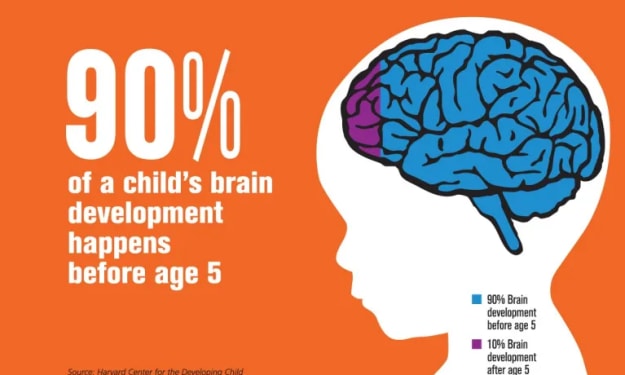
Why Sensory Toys Matter in Learning Children are natural explorers of the world around them. Every texture they touch, every sound they hear, and every movement they make shapes how they understand their environment. Sensory toys tap into this innate curiosity, offering gentle tools that help them learn better, focus longer, and feel more comfortable in educational settings.
By Susmit Bhowmikabout a year ago in Education
Freedom in Madness
My husband John is a physician. He doesn’t believe I am really sick. He says I’m only experiencing a “temporary nervous depression”—a slight hysterical tendency. Because he is a doctor, and a man, his word carries more weight than mine. So, we’ve rented a large, secluded house for the summer, where I can rest and recover. John says I must avoid all stimulation—no writing, no visitors, no thinking too hard. I disagree, but I have no voice.
By Najibullahabout a year ago in Education
How You Can Use Sophisticated Words in Your Next Essay?
Essay writing is an easy task. In essays, you only use a simple format and draft all the content related to the topic. You write the content in your known language and use simple words. These used words are familiar to you which allows you to understand your essay's content. Besides, when other persons read your essay, they face difficulty in understanding the real intent. This difficulty is only because of the words used in the sentences. Therefore, you have to use sophisticated words in your essay writing. These words provide deep meaning and clarity in your essay. In addition, you can use this vocabulary to make your essay large. So, use these words in your essay and provide a more formal tone. Moreover, you can refer to Essay Writing Help by expert writers. These writers have good knowledge of sophisticated words and their usage.
By Carrie smithabout a year ago in Education
Small Steps, Big Changes
Start writing...Introduction: Big Change Starts Small Many people think they need to make huge changes to improve their lives. But that’s not true. Real change often begins with small steps. Just like a tree starts from a tiny seed, your success can start with small habits. In this article, you’ll learn how tiny daily actions can help you become healthier, happier, and more focused. You don’t need to be perfect. You just need to keep going, one small step at a time. --- What Are Tiny Habits? Tiny habits are small things you do every day. They don’t take much time or energy, but they add up over time. A tiny habit could be: Drinking a glass of water after waking up Walking for five minutes each day Writing down one thing you’re grateful for These small actions seem simple, but they create a strong foundation. After a few weeks or months, they can lead to big changes. --- Why Tiny Habits Work Many people fail to reach their goals because they try to do too much at once. For example, someone might say, “I’ll exercise for one hour every day!” But after a few days, they feel tired or too busy—and they stop. Tiny habits work better because: 1. They are easy to start. 2. They fit into your daily routine. 3. They build confidence. 4. They don’t feel overwhelming. Once you do a small habit every day, it becomes automatic. And when it’s easy, you’re more likely to keep going. --- How to Build Tiny Habits Here’s a simple way to start building tiny habits in your life: 1. Pick One Small Action Choose something very easy. For example: Instead of saying “I’ll read one book a week,” say “I’ll read one page a day.” Instead of “I’ll eat super healthy,” start with “I’ll eat one fruit a day.” 2. Connect It to Something You Already Do This is called an “anchor.” You add the new habit right after something you already do. For example: After I brush my teeth, I’ll stretch for one minute. After I pour my morning coffee, I’ll say one positive thing to myself. 3. Celebrate It After doing the habit, smile, say “Yes!” or give yourself a little fist bump. This makes your brain feel good—and you’ll want to do it again. 4. Don’t Worry About Missing a Day If you skip a day, it’s okay. Just start again. What matters is not giving up. --- Examples of Tiny Habits That Help Here are some small habits that can make a big difference in different areas of life: Health Drink water first thing in the morning Do five pushups or one-minute stretching Go to bed 10 minutes earlier Mindset Write one positive thought each day Say “I can do this” every morning Smile at yourself in the mirror Productivity Write down your top 3 tasks in the morning Set a timer for 10 minutes of focused work Clean one small area each day (like a desk) Relationships Send one kind message to a friend Say “thank you” to someone daily Hug a loved one or tell them you care --- Real Growth Takes Time Just like plants grow slowly with a little water each day, your life changes with tiny habits over time. You might not see big results right away. But after weeks or months, you’ll look back and realize how far you’ve come. Many successful people started small. They didn’t try to do everything at once. They just kept showing up, step by step. And you can do the same. --- Conclusion: Start Today, Start Small You don’t need to wait for the “perfect time” to make a change. The perfect time is now. Pick one small habit, do it today, and stick with it. Remember: Big goals are reached by small actions. You don’t need to be perfect—just keep trying. One tiny step a day can lead to a better, stronger, and happier you. Start with something simple. It might feel small today, but it could change your life tomorrow.
By Qaseem Ahmadzaiabout a year ago in Education