stem
The four major disciplines propelling our students and our society forward; all about education in science, technology, engineering, and mathematics.
How to Cultivate Gratitude Every Day
Gratitude is a powerful emotion that can transform our lives in numerous ways. It fosters a positive outlook, enhances mental health, and strengthens relationships. Yet, cultivating gratitude is not always easy, especially in a world that often encourages us to focus on what we lack rather than appreciating what we already have. However, by consciously incorporating small practices of gratitude into our daily routines, we can develop a mindset that attracts more positivity, fulfillment, and contentment. The first step in cultivating gratitude every day is recognizing the importance of this emotion. Gratitude is not just about feeling thankful when something great happens or when someone does something kind for us. It’s about appreciating the little things—the everyday moments that we often overlook. Whether it’s the warmth of the sun, the aroma of your morning coffee, or the smile of a friend, learning to acknowledge these seemingly small gifts is essential in developing a gratitude practice. One of the most effective ways to cultivate gratitude is through a daily gratitude journal. This practice involves setting aside a few minutes each day to reflect on what you are thankful for. It doesn’t have to be long or complicated; a few lines each day are enough. The key is consistency. Over time, you’ll start to notice a shift in your perspective as you begin to focus on the positive aspects of your life. When keeping a gratitude journal, it’s important to be specific about what you’re thankful for. Instead of simply writing “I’m grateful for my family,” take a moment to reflect on what exactly about your family brings you gratitude. Maybe it’s the support they provide, the moments of laughter you share, or the lessons they’ve taught you. The more detailed you are, the more you’ll begin to appreciate the depth of what you have. Another helpful practice is to make gratitude a part of your morning routine. The way you start your day can set the tone for the rest of it, so why not begin with gratitude? As soon as you wake up, take a few moments to mentally acknowledge what you are thankful for. This could be as simple as appreciating the fact that you have a new day ahead of you or feeling thankful for the comfort of your bed. Starting the day with gratitude helps shift your mindset to one of abundance, rather than scarcity. If you struggle with maintaining a consistent gratitude practice, you can try setting reminders throughout the day. These reminders could be as simple as a sticky note on your desk or an alarm on your phone that prompts you to take a moment to express gratitude. These small nudges can serve as gentle reminders to pause and appreciate the present moment, no matter how busy or stressful your day may be. Practicing gratitude doesn’t just have to be a solitary activity. One of the most effective ways to cultivate gratitude is by sharing it with others. Take time each day to express your appreciation to those around you. This could be a simple “thank you” to a colleague for their help, a compliment to a friend for their kindness, or a heartfelt note to a family member for their support. Expressing gratitude strengthens relationships and helps reinforce a positive cycle of appreciation in your life. When expressing gratitude to others, it’s important to be sincere. A genuine thank-you is much more impactful than a generic one. If someone has done something that made a positive impact on your day, take a moment to let them know. This could be a verbal acknowledgment or a written note. Gratitude, when expressed authentically, can help foster deeper connections and create a ripple effect of positivity. Another powerful way to cultivate gratitude is through mindfulness and meditation. Mindfulness practices help you stay present in the moment and acknowledge the good things in your life without judgment. By focusing on the here and now, you become more aware of the small blessings that often go unnoticed. Meditation, in particular, can help you train your mind to focus on positive thoughts and cultivate a deep sense of appreciation for life itself. Incorporating mindfulness into your daily routine doesn’t have to be time-consuming or complicated. Even just a few minutes of deep breathing or a quick meditation session can help center your thoughts and promote feelings of gratitude. The key is to make it a habit, so it becomes an automatic response to stress or negative emotions. Over time, you’ll find it easier to redirect your thoughts to feelings of thankfulness, even in challenging situations. While it’s easy to be grateful for the obvious blessings in our lives, it’s important to also practice gratitude during difficult times. Challenges and setbacks are inevitable, but they can serve as opportunities for growth if we approach them with the right mindset. Instead of focusing solely on the negative aspects of a difficult situation, try to find the silver lining. Perhaps a challenging project at work has taught you new skills, or a difficult conversation with a friend has deepened your relationship. By reframing challenges as learning experiences, you can find gratitude even in the most trying circumstances. One way to shift your perspective is through the practice of gratitude reframing. This involves looking at a situation from a different angle and finding something to be grateful for, even if it seems hard to do so at first. For example, if you’re dealing with a stressful situation at work, you might feel frustrated and overwhelmed. However, by reframing your thoughts, you can shift your focus to what you’ve learned from the experience, the resilience you’ve developed, or the opportunity for growth that lies within the challenge. Another method for cultivating gratitude is through acts of kindness. Doing something kind for others not only benefits them but also fosters a sense of gratitude within yourself. When you help others, whether through volunteering, offering support, or simply being kind, you begin to recognize the abundance of good things in your life. Acts of kindness help remind you of the interconnectedness of human beings and the positive impact that we can have on one another. Finally, practicing self-compassion is an important part of cultivating gratitude. Many of us are often our harshest critics, focusing on our perceived flaws and shortcomings. But in order to fully embrace gratitude, we must also be kind and understanding toward ourselves. Treat yourself with the same care and appreciation that you would show a friend. When you practice self-compassion, you open the door to greater feelings of gratitude for who you are and what you’ve accomplished.
By Nora Ariana2 years ago in Education
5-Minute Habits That Will Change Your Life
In today’s fast-paced world, finding ways to improve our lives without overhauling everything can feel impossible. However, small changes can make a huge impact when practiced consistently. Sometimes, the key to transforming your life lies in simple habits that only take a few minutes but can lead to long-term benefits. Whether you want to boost productivity, improve your mental well-being, or foster better relationships, these five-minute habits are a great place to start. One of the most effective habits you can incorporate into your routine is the practice of gratitude. Taking just a few minutes each day to reflect on what you’re thankful for can significantly improve your outlook on life. Studies have shown that gratitude can increase happiness, reduce stress, and even improve physical health. The habit is simple—each morning or evening, take five minutes to jot down three things you’re grateful for. They don’t have to be big things; even small, everyday occurrences can have a profound impact on your mental state. Over time, this habit helps you focus on the positive aspects of your life, shifting your mindset from one of scarcity to abundance. Another powerful habit is mindful breathing. Mindfulness is the practice of being fully present in the moment, and one of the simplest ways to practice mindfulness is through controlled breathing. In just five minutes, you can calm your mind, reduce anxiety, and center yourself for the day ahead. Find a quiet spot, sit comfortably, and focus on your breath. Take deep, slow inhales through your nose, hold for a few seconds, and then exhale slowly through your mouth. This technique can help lower your heart rate and reduce the production of stress hormones, making it an ideal way to reset when you feel overwhelmed. The more you practice mindful breathing, the better you'll become at managing stress in your daily life. Physical activity doesn’t always require an hour at the gym to make a difference. A quick five-minute workout can also have a significant impact on your energy levels, mood, and overall health. Whether it's a set of bodyweight exercises, a short walk, or a quick yoga session, taking just five minutes to move your body will help improve circulation, boost endorphins, and increase mental clarity. Start with simple exercises like jumping jacks, push-ups, or squats. If you prefer a more mindful approach, try a few minutes of stretching or deep yoga poses. A short burst of exercise can help you feel more energized and focused, making it easier to tackle the challenges ahead. An excellent habit for both mental and physical well-being is staying hydrated. Dehydration can lead to fatigue, headaches, and difficulty concentrating. In the hustle and bustle of daily life, it’s easy to forget to drink enough water, but taking just five minutes to hydrate can work wonders for your body and mind. Keep a water bottle at your desk or in your bag, and make it a habit to drink water regularly throughout the day. Not only does proper hydration improve your physical health, but it also supports cognitive function and mood regulation. In just five minutes, you can hydrate yourself and set yourself up for a more productive and focused day. Another life-changing habit is reading. While finding time to read a full book may seem challenging, carving out just five minutes to read each day can make a difference in your life. Reading for even a short amount of time can expand your knowledge, improve focus, and reduce stress. Whether you prefer fiction, non-fiction, or self-help books, the habit of reading fosters personal growth and broadens your perspective. You don’t need to dedicate hours to reading; simply commit to reading a few pages or chapters a day. Over time, this small habit will compound, enriching your mind and contributing to your personal development. Taking a few minutes each day to prioritize self-care is another habit that can drastically improve your life. Self-care is often misunderstood as something indulgent, but it’s essential for mental and emotional health. Self-care can take many forms, from taking a hot bath to engaging in a hobby or practicing a quick meditation. The key is to take time for yourself, away from the demands of work, family, and other responsibilities. These five-minute moments of self-care help recharge your emotional battery, reduce stress, and increase your sense of well-being. It’s important to recognize that self-care isn’t selfish—it’s necessary for maintaining balance in your life. To complement these habits, setting small daily goals can also be transformative. In just five minutes, take a moment to set three achievable goals for the day. These goals should be specific, measurable, and realistic. By focusing on a few small tasks, you’re more likely to complete them, which can boost your confidence and motivation. Instead of feeling overwhelmed by a long to-do list, breaking tasks into manageable steps can help you stay on track and feel more in control. The act of setting goals gives your day structure, allowing you to accomplish more in less time. Additionally, the power of positive affirmations can help reframe your mindset and improve your self-esteem. Taking five minutes each day to recite affirmations can shift your thinking from negative to positive. Affirmations are statements of self-empowerment that encourage you to believe in your abilities. For example, saying, "I am capable of overcoming challenges," or, "I am worthy of success," can help you combat self-doubt and build confidence. Over time, these positive statements begin to influence your subconscious mind, creating a foundation of resilience and self-belief. Another small habit that can yield long-term results is practicing kindness. Taking five minutes to perform a random act of kindness, whether it’s sending a thoughtful message to a friend, holding the door for someone, or offering a compliment, can enhance both your mood and the mood of others. Acts of kindness have been linked to increased happiness, reduced stress, and improved relationships. The best part is that it doesn’t take much time or effort to make a positive impact. By making kindness a regular habit, you create a ripple effect that improves your life and the lives of those around you. Lastly, decluttering your space for just five minutes a day can have a profound impact on your productivity and mental clarity. A cluttered environment can lead to a cluttered mind, making it difficult to focus and feel at ease. Spend five minutes each day tidying up your desk, organizing your kitchen, or putting away clothes. This simple habit can create a sense of order, reduce stress, and help you feel more in control of your surroundings. Over time, small daily efforts will accumulate into a more organized and peaceful living space. Incorporating these five-minute habits into your routine may seem like a small effort, but the benefits they provide can be life-changing. These habits don’t require significant time or energy, yet they hold the power to improve your mental, emotional, and physical well-being. By committing to just a few minutes each day, you’re taking proactive steps to build a better, more balanced life. Start small, and remember that consistency is key. Over time, these habits will become ingrained in your daily routine, leading to lasting positive change.
By Nora Ariana2 years ago in Education
The Benefits of Meditation and How to Get Started
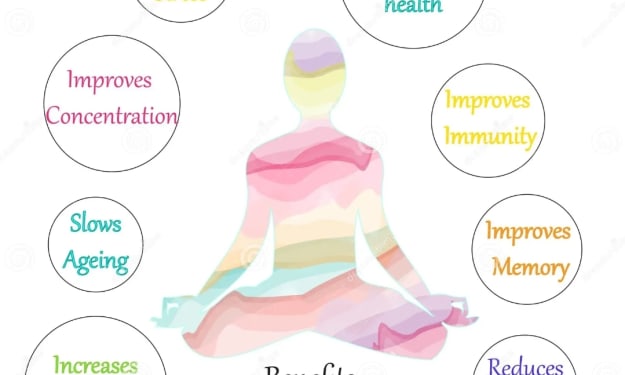
Meditation has been practiced for thousands of years, originating in ancient traditions as a way to promote mental clarity, self-awareness, and emotional balance. Today, it has become a widely popular practice, embraced by people from all walks of life, from busy professionals to athletes to spiritual seekers. The benefits of meditation extend far beyond the realm of relaxation; it can have profound effects on mental, emotional, and even physical health. If you're new to meditation or looking to deepen your practice, this article will explore the numerous benefits of meditation and provide practical guidance on how to get started. One of the most well-known benefits of meditation is its ability to reduce stress. In today's fast-paced world, stress is a common challenge that many people face. Chronic stress can contribute to a variety of physical and mental health issues, including anxiety, depression, and even heart disease. Meditation helps activate the body’s relaxation response, reducing the levels of stress hormones like cortisol. When practiced regularly, meditation can train the mind to respond to stressful situations with greater calmness and clarity, helping you navigate challenges with a sense of inner peace. Another key benefit of meditation is its ability to improve focus and concentration. In a world full of distractions, it can be difficult to stay present and focused on the task at hand. Meditation helps train the mind to be more attentive and aware, enhancing cognitive function and boosting productivity. Mindfulness meditation, in particular, encourages you to focus on the present moment, which helps reduce mental clutter and sharpen your attention. Over time, regular meditation practice can improve your ability to concentrate, making it easier to stay focused on work, studies, or personal projects. Meditation also has a powerful impact on emotional well-being. By cultivating mindfulness and self-awareness, meditation allows you to become more in tune with your emotions. Rather than reacting impulsively to difficult emotions like anger, fear, or sadness, meditation helps you observe them without judgment and respond more thoughtfully. This heightened emotional awareness leads to greater emotional regulation, making it easier to handle negative emotions in a healthy way. Studies have shown that meditation can reduce symptoms of anxiety and depression, providing a natural and effective way to improve mental health. In addition to emotional benefits, meditation can enhance physical health. Research has shown that regular meditation can lower blood pressure, improve heart health, and strengthen the immune system. The relaxation response triggered by meditation helps reduce tension in the body, which can alleviate physical symptoms associated with stress, such as headaches, muscle pain, and digestive issues. Meditation has also been linked to improved sleep, as it promotes relaxation and helps quiet the mind before bedtime. For those who suffer from insomnia or other sleep disorders, meditation can be a valuable tool for achieving more restful and rejuvenating sleep. Furthermore, meditation can foster a greater sense of self-compassion and mindfulness. When we are caught up in the busyness of life, it’s easy to become disconnected from ourselves and our needs. Meditation provides a space to slow down, reflect, and cultivate self-awareness. By practicing meditation, you can develop a greater sense of compassion for yourself, accepting your flaws and imperfections without judgment. This sense of self-compassion extends to how you relate to others, fostering greater empathy and kindness in your interactions. Now that we've explored the many benefits of meditation, let's discuss how to get started. Meditation may seem intimidating at first, especially if you're new to the practice, but it doesn't require any special skills or equipment. All you need is a quiet space, a comfortable position, and a willingness to be present. One of the simplest ways to begin is with mindfulness meditation. Start by finding a quiet place where you won't be disturbed. Sit in a comfortable position, either on a chair, cushion, or floor, with your back straight and your hands resting on your knees or in your lap. Close your eyes or keep them gently focused on a point in front of you. Take a few deep breaths to relax and settle into the present moment. The key to mindfulness meditation is focusing on your breath. As you inhale and exhale, bring your full attention to the sensation of the breath entering and leaving your body. If your mind starts to wander, gently bring your focus back to your breath without judgment. It’s natural for the mind to wander, so don’t worry if this happens. The goal is to observe your thoughts without getting caught up in them, simply noticing them and letting them pass. Start with just a few minutes of meditation each day, gradually increasing the time as you feel comfortable. Even five to ten minutes of meditation can provide noticeable benefits, so don’t feel pressured to meditate for long periods of time. Consistency is more important than duration, so try to make meditation a regular part of your daily routine. Another popular meditation practice is guided meditation. This involves following along with an audio or video recording where a teacher or guide leads you through a series of relaxation techniques, visualizations, or mindfulness exercises. Guided meditation can be a helpful way to get started, as it provides structure and direction. There are many apps and online resources available that offer free guided meditations, so you can explore different styles and find one that resonates with you. If you’re looking to deepen your practice, you may also want to explore other forms of meditation, such as loving-kindness meditation (also known as "metta"), which focuses on cultivating compassion and kindness toward yourself and others. There’s also transcendental meditation, which involves repeating a mantra to quiet the mind, and body scan meditation, which involves progressively relaxing each part of the body. The beauty of meditation is that there are many different techniques to explore, so you can find one that works best for you. In addition to formal meditation, you can also incorporate mindfulness into your daily life. Mindfulness is the practice of being fully present and engaged in whatever you’re doing, whether it’s eating, walking, or having a conversation. By bringing mindfulness into your daily activities, you can carry the benefits of meditation with you throughout the day, helping you stay calm, focused, and centered in the midst of everyday stress. In conclusion, meditation offers a wide range of benefits for both the mind and body. By reducing stress, improving focus, enhancing emotional well-being, and fostering greater self-compassion, meditation can lead to a healthier, more balanced life. Whether you're new to meditation or looking to deepen your practice, the key is to start small, be patient with yourself, and enjoy the process. With regular practice, meditation can become a powerful tool for cultivating inner peace, clarity, and resilience in your life.
By Nora Ariana2 years ago in Education
Why You Should Embrace Vulnerability
In a world that often values strength, independence, and resilience, vulnerability can seem like a weakness. We are taught from an early age to hide our flaws, suppress our emotions, and put on a brave face in the face of adversity. However, the idea that vulnerability is something to be avoided is a misconception. In fact, embracing vulnerability can be one of the most powerful ways to foster growth, connection, and authenticity in our lives. Vulnerability is the willingness to be open, exposed, and honest about our emotions, experiences, and fears. It means allowing ourselves to be seen for who we truly are, without pretending to be someone we're not or masking our insecurities. This may involve sharing our struggles, expressing our feelings, or admitting when we need help. While it can be uncomfortable and intimidating, vulnerability has the potential to bring about profound positive changes in our lives. One of the most important reasons to embrace vulnerability is that it fosters deeper, more authentic connections with others. When we open up about our struggles, our fears, and our true selves, we invite others to do the same. Vulnerability creates a sense of shared humanity, reminding us that we are not alone in our challenges. This openness cultivates empathy and trust, forming the foundation for meaningful relationships, whether with friends, family, or romantic partners. In addition to strengthening our relationships, embracing vulnerability can also lead to personal growth and self-discovery. When we allow ourselves to be vulnerable, we are often forced to confront our deepest fears, insecurities, and limiting beliefs. This process of self-exploration can be uncomfortable, but it is also transformative. By acknowledging our vulnerabilities, we create space for healing and growth. It is through vulnerability that we learn to accept ourselves fully, imperfections and all. Vulnerability is also a key component of creativity and innovation. When we allow ourselves to be open to new ideas, experiences, and challenges, we expand our capacity for creative thinking. Fear of failure or judgment often holds people back from pursuing their passions or expressing themselves authentically. Embracing vulnerability means taking risks, stepping outside of our comfort zones, and being willing to make mistakes. It is through these mistakes that we learn, adapt, and ultimately grow. By embracing vulnerability in our creative endeavors, we give ourselves permission to take risks and explore new possibilities. Another powerful reason to embrace vulnerability is that it allows us to build resilience. Resilience is the ability to bounce back from adversity, and vulnerability plays a crucial role in this process. When we acknowledge our vulnerabilities, we give ourselves the opportunity to ask for help, seek support, and lean on others when needed. Vulnerability enables us to build a strong support network, which is essential for overcoming life's challenges. Rather than seeing vulnerability as a weakness, we can view it as a strength that allows us to navigate difficult situations with grace and courage. Vulnerability also plays a significant role in fostering emotional well-being. When we suppress our emotions or try to hide our vulnerabilities, we create internal tension and stress. Bottling up our feelings can lead to anxiety, depression, and burnout. On the other hand, embracing vulnerability allows us to release these emotions and express them in healthy ways. Whether through talking with a trusted friend, journaling, or engaging in creative outlets, vulnerability provides a safe space for emotional release. By acknowledging and expressing our emotions, we lighten our emotional load and create a sense of emotional freedom. In a world that often promotes perfectionism, embracing vulnerability is also an act of self-compassion. Perfectionism is the belief that we must always perform at our best and meet external expectations, which can create immense pressure and self-criticism. Vulnerability, on the other hand, allows us to accept our flaws and imperfections without judgment. It is the recognition that we are enough just as we are, and that it is okay to be imperfect. Embracing vulnerability means letting go of the need for constant approval and embracing the beauty of being human. Despite the many benefits of vulnerability, it is natural to feel afraid or apprehensive about being vulnerable. Our society often rewards strength, stoicism, and self-reliance, which can make it difficult to let our guard down. Additionally, past experiences of rejection or hurt can make us hesitant to open up to others. However, it is important to remember that vulnerability does not mean being indiscriminately open with everyone. It is about choosing to share your authentic self with the people who are trustworthy and supportive. Vulnerability requires discernment, and it is important to establish boundaries and protect your emotional well-being. Building the courage to embrace vulnerability is a gradual process. It starts with small steps, such as sharing your thoughts and feelings with a trusted friend or admitting when you don’t have all the answers. It also involves shifting your mindset from viewing vulnerability as a weakness to seeing it as a source of strength. This shift can take time, but with practice, vulnerability becomes a powerful tool for personal growth, connection, and resilience.
By Nora Ariana2 years ago in Education
How to Develop Emotional Intelligence
Emotional intelligence, often referred to as EQ, is the ability to understand, manage, and express emotions effectively while also being aware of and empathetic toward the emotions of others. In today's world, where interpersonal communication and collaboration are crucial, emotional intelligence has become just as important, if not more so, than technical skills. People with high emotional intelligence are often better at handling stress, building relationships, and making thoughtful decisions. Developing emotional intelligence is a journey that requires self-awareness, practice, and patience. While some people may naturally have a high EQ, it is a skill that can be cultivated and refined over time. Here are key strategies to help you build and enhance your emotional intelligence. Self-awareness is the cornerstone of emotional intelligence. It involves recognizing your emotions and understanding how they influence your thoughts and actions. To develop self-awareness, start by regularly checking in with yourself. Pay attention to your emotional responses throughout the day and identify the triggers behind them. Journaling can be a helpful tool for reflecting on your emotions and gaining insights into your patterns of behavior. By becoming more attuned to your emotions, you can respond to situations in a more thoughtful and controlled manner. Self-regulation is another critical component of emotional intelligence. It involves managing your emotions in a way that is constructive and appropriate for the situation. While it's natural to feel angry, anxious, or frustrated at times, emotional intelligence allows you to express these feelings in a healthy and controlled way. Techniques such as deep breathing, mindfulness, and taking a brief pause before reacting can help you regulate your emotions. The goal is not to suppress your feelings but to manage them in a way that maintains your composure and promotes positive outcomes. Empathy is a fundamental aspect of emotional intelligence and involves understanding and sharing the feelings of others. When you practice empathy, you become more attuned to the emotions and perspectives of those around you. This can strengthen your relationships and improve your communication skills. To develop empathy, practice active listening by giving your full attention to others without interrupting or judging. Try to put yourself in their shoes and validate their feelings, even if you don't necessarily agree with their perspective. Effective communication is closely tied to emotional intelligence. Being able to express yourself clearly and listen attentively to others fosters meaningful connections and reduces misunderstandings. Pay attention not only to the words being spoken but also to non-verbal cues such as body language and tone of voice. When communicating, use "I" statements to express your feelings without blaming others. For example, say "I felt hurt when you didn't include me" rather than "You ignored me." This approach encourages open and constructive conversations. Another key aspect of emotional intelligence is social awareness, which involves understanding the dynamics of social interactions and the emotions of groups. Developing social awareness requires paying attention to social cues and being mindful of how your actions impact others. By observing the dynamics in various social settings, you can become more attuned to group dynamics and build stronger connections. Building strong relationships is a natural outcome of high emotional intelligence. People with well-developed EQ tend to be more approachable, empathetic, and understanding, making them better at forming and maintaining relationships. To cultivate meaningful connections, be genuine and authentic in your interactions. Show appreciation and acknowledge the contributions of others. When conflicts arise, approach them with a problem-solving mindset rather than placing blame. This fosters trust and strengthens bonds. Developing emotional intelligence also involves cultivating resilience, which is the ability to bounce back from challenges and setbacks. Life is filled with uncertainties and difficulties, but how you respond to these situations can make a significant difference. Building resilience requires maintaining a positive outlook, seeking support from others when needed, and learning from failures. Practicing self-compassion and focusing on solutions rather than dwelling on problems can help you navigate difficult times with grace and strength. Mindfulness plays a crucial role in developing emotional intelligence. By practicing mindfulness, you can become more present and aware of your thoughts, feelings, and surroundings. This heightened awareness allows you to better understand your emotional responses and make conscious choices in how you react to situations. Mindfulness techniques such as meditation, deep breathing, and body scans can help you cultivate a greater sense of self-awareness and emotional regulation. Self-motivation is another essential component of emotional intelligence. It involves setting goals, staying focused, and maintaining a positive attitude despite challenges. People with high self-motivation are driven by their internal values and aspirations rather than external rewards. To develop self-motivation, set meaningful and achievable goals, celebrate your progress, and cultivate a growth mindset that views challenges as opportunities for learning and improvement. It's important to recognize that developing emotional intelligence is a lifelong journey. There will be times when you falter or struggle to manage your emotions, but each experience offers an opportunity for growth and learning. Be patient with yourself and embrace the process. As you continue to practice and refine your emotional intelligence skills, you will find that your relationships improve, your decision-making becomes more thoughtful, and your ability to navigate life's challenges strengthens. In conclusion, emotional intelligence is a powerful skill that can enhance your personal and professional life. By developing self-awareness, self-regulation, empathy, effective communication, social awareness, and resilience, you can become more emotionally intelligent and better equipped to handle the complexities of modern life. Remember that emotional intelligence is not about being perfect but about being present, understanding, and compassionate toward yourself and others. As you cultivate these skills, you'll find greater fulfillment and success in your interactions and experiences.
By Nora Ariana2 years ago in Education
The Power of Journaling for Self-Discovery
In a fast-paced world filled with distractions and constant demands, it can be challenging to connect with ourselves on a deeper level. Amid the chaos, journaling offers a simple yet transformative practice that allows us to slow down, reflect, and gain insights into our thoughts, feelings, and experiences. Journaling is more than just writing down daily events; it is a powerful tool for self-discovery and personal growth. At its core, journaling provides a safe space for self-expression. When we put pen to paper, we create an intimate dialogue with ourselves. This process allows us to explore our innermost thoughts and feelings without judgment. It’s a form of mental and emotional release that can be both therapeutic and enlightening. Through journaling, we often uncover patterns in our thoughts and behaviors that we may not have noticed otherwise. This increased self-awareness is the first step toward meaningful personal transformation. One of the most significant benefits of journaling is that it helps clarify our thoughts and emotions. In the hustle and bustle of daily life, our minds can become cluttered with worries, to-do lists, and conflicting emotions. Writing things down can bring order to this mental chaos. As we put our thoughts into words, they become more concrete and easier to understand. This clarity can lead to better decision-making and a greater sense of control over our lives. Journaling also serves as a tool for problem-solving. When faced with challenges or dilemmas, writing about them can help us see the situation from different perspectives. It allows us to break down complex issues into manageable parts and explore potential solutions. Sometimes, the simple act of writing can reveal answers that were hidden in the depths of our minds. Even when solutions aren’t immediately apparent, the process of journaling can provide a sense of relief and empowerment. Another powerful aspect of journaling is its ability to track personal growth over time. By regularly documenting our thoughts, feelings, and experiences, we create a record of our journey. Looking back on past entries can be incredibly enlightening. We can see how far we’ve come, recognize the lessons we’ve learned, and appreciate the progress we’ve made. This retrospective perspective can boost our confidence and motivate us to keep moving forward. Journaling is also a valuable tool for cultivating gratitude. When we take the time to reflect on the positive aspects of our lives, we shift our focus from what’s lacking to what we have. Writing down things we’re grateful for, no matter how small, can foster a more positive outlook and improve overall well-being. Gratitude journaling has been shown to reduce stress, increase happiness, and strengthen resilience in the face of challenges. Furthermore, journaling can help us connect with our goals and aspirations. By writing about our dreams and desires, we gain a clearer understanding of what truly matters to us. Journaling can be a space for setting intentions, mapping out action plans, and visualizing the future we want to create. It serves as a reminder of our ambitions and helps us stay accountable to ourselves. In addition to its mental and emotional benefits, journaling has physical health advantages as well. Research has shown that expressive writing can reduce stress levels, lower blood pressure, and improve immune function. The act of writing itself can be calming, providing a sense of mindfulness that helps us stay grounded in the present moment. For those new to journaling, getting started can feel intimidating. However, there are no rules to follow. Journaling is a deeply personal practice, and it can take many forms. Some people prefer traditional pen-and-paper journals, while others use digital platforms. The key is to find a method that feels comfortable and enjoyable. One common approach is free writing, where you simply write whatever comes to mind without worrying about grammar, structure, or coherence. This stream-of-consciousness style allows for unfiltered self-expression and can lead to unexpected insights. Another popular method is prompted journaling, where you respond to specific questions or prompts designed to encourage reflection. Prompts such as "What am I grateful for today?" or "What challenges have I faced recently, and how did I overcome them?" can provide valuable starting points. Bullet journaling is another creative and structured option. It combines elements of traditional journaling, to-do lists, and habit tracking. This method allows you to organize your thoughts and goals while also fostering creativity through visual elements like drawings and color-coded sections. Morning pages, a technique popularized by author Julia Cameron, involve writing three pages of longhand, stream-of-consciousness text first thing in the morning. The idea is to clear your mind of mental clutter and set a positive tone for the day. Regardless of the method you choose, consistency is key. Regular journaling, even if only for a few minutes a day, can yield significant benefits over time. The more you engage with the practice, the more natural and rewarding it becomes. It’s important to approach journaling with an open and non-judgmental mindset. There’s no right or wrong way to journal, and it’s perfectly okay to have entries that feel messy or incomplete. The goal is not to produce a polished piece of writing but to engage in an honest and meaningful dialogue with yourself.
By Nora Ariana2 years ago in Education
How to Stop Comparing Yourself to Others
In today’s world, it’s easier than ever to compare ourselves to others. With social media showcasing people’s highlight reels and society constantly promoting the idea of competition, many of us find ourselves measuring our lives against those of our peers. Whether it’s career achievements, relationships, appearance, or lifestyle, the urge to compare can be overwhelming. However, this habit can lead to feelings of inadequacy, low self-esteem, and unhappiness. Learning how to stop comparing yourself to others is crucial for maintaining a positive mindset and living a more fulfilling life. The first step in overcoming the comparison trap is to recognize that it’s a natural human tendency. Comparing ourselves to others is something that has been ingrained in us for survival reasons. Historically, it helped us assess our status within a group and determine where we stood in terms of skills and resources. However, in today’s society, this tendency can often backfire, leading us to constantly evaluate ourselves based on unrealistic standards. Understanding that comparison is a natural but sometimes unhelpful instinct can help you approach it with more awareness and intention. One of the most effective ways to break free from the comparison cycle is to limit your exposure to triggers, especially on social media. Platforms like Instagram, Facebook, and TikTok are curated spaces where people often share only their best moments. It's important to remember that what you see online is rarely a complete representation of someone’s life. People are unlikely to share their struggles or failures as openly as their successes. Taking regular breaks from social media or unfollowing accounts that make you feel inadequate can create a healthier mental space and reduce the temptation to compare. Another powerful strategy is to shift your focus inward. Instead of looking at what others are doing, concentrate on your own growth and achievements. Keep track of your progress and celebrate even small victories. When you focus on your journey, you’ll become more aware of how far you've come and less concerned about where others are. Setting personal goals based on your own values and priorities can also help you stay focused on what truly matters to you, rather than what society deems important. Gratitude is another valuable tool for combating comparisons. When you practice gratitude, you train your mind to focus on the positive aspects of your life rather than what’s missing. Make it a habit to write down three things you’re grateful for each day. These can be simple things, like a conversation with a friend, a beautiful sunset, or a personal achievement. Over time, this practice can shift your mindset and help you appreciate what you have, rather than longing for what others appear to have. Building self-awareness is crucial in overcoming the comparison trap. Take time to identify the situations or areas of life where you tend to compare yourself to others. Is it in your career, your appearance, or your social life? Once you recognize these triggers, you can develop strategies to manage them. For example, if you find yourself comparing your career progress to that of a colleague, remind yourself that everyone's path is unique and that success looks different for everyone. Another helpful approach is to change the way you perceive other people's successes. Instead of viewing them as threats or reminders of what you lack, see them as sources of inspiration. Celebrate their achievements and learn from their experiences. When you shift your mindset from competition to admiration, you can foster healthier relationships and reduce feelings of envy. Remember that success is not a finite resource—someone else’s win does not diminish your potential for success. Developing self-compassion is essential in learning to stop comparing yourself to others. We often treat ourselves much harsher than we would a friend. When you catch yourself in a spiral of negative comparisons, pause and ask yourself how you would comfort a friend in the same situation. Offer yourself the same kindness and understanding. Acknowledge that it’s okay to have insecurities but that these feelings don’t define your worth. Mindfulness can also play a significant role in breaking free from the comparison trap. Mindfulness involves being present in the moment without judgment. When you practice mindfulness, you become more aware of your thoughts and feelings, allowing you to notice when you're slipping into comparison mode. Techniques such as meditation, deep breathing, and body scans can help you develop mindfulness and reduce the mental noise that fuels comparisons. Surrounding yourself with supportive and positive people is another important step. Seek out relationships with individuals who uplift and encourage you rather than those who make you feel inadequate. When you have a strong support system, it becomes easier to stay focused on your own path and maintain a healthy perspective. Lastly, remind yourself that everyone has their own struggles and insecurities, even if they don’t show them. No one’s life is perfect, and what you see on the surface rarely tells the whole story. By keeping this in mind, you can cultivate a more compassionate and realistic view of both yourself and others.
By Nora Ariana2 years ago in Education
The Art of Saying "No" Without Guilt
In a world where we're often expected to please others, saying "no" can feel like a daunting challenge. We worry about disappointing people, missing out on opportunities, or feeling guilty for not accommodating every request. However, learning the art of saying "no" without guilt is a vital skill that can lead to a healthier, more balanced life. It allows us to preserve our time, energy, and mental well-being, while still maintaining meaningful relationships with others. At its core, saying "no" is about setting boundaries. Boundaries are essential in maintaining your personal space and prioritizing what truly matters to you. They protect your time, energy, and emotional health. Unfortunately, many of us struggle with setting boundaries, often because we fear the potential negative consequences of saying "no." We might worry about being judged, perceived as rude, or afraid of letting people down. These concerns are natural but can lead to feelings of overwhelm, stress, and resentment. To master the art of saying "no" without guilt, it’s important to first understand why it can be so difficult. Many of us are conditioned to be people-pleasers, believing that we need to always accommodate others to maintain relationships or stay in others' good graces. But this mindset can lead to burnout, as we constantly say "yes" to things we don’t really want to do. Recognizing that saying "no" is a healthy act of self-care is the first step toward breaking free from this pattern. One of the most effective strategies in learning how to say "no" is to shift your perspective on the act itself. Instead of viewing "no" as a rejection, try to see it as an affirmation of your priorities. By saying "no" to something that doesn’t align with your values or goals, you’re actually saying "yes" to something more important—whether it’s your own well-being, your family, or a project that aligns with your passions. This shift in mindset can make it easier to say "no" without feeling guilty. Another essential part of this process is recognizing that you are not responsible for others’ feelings or reactions. While it’s natural to want to avoid conflict, it’s important to understand that your decision to say "no" is not an indictment of the person making the request. It simply means that, for whatever reason, you are unable or unwilling to fulfill that request at this time. By keeping this in mind, you can prevent yourself from internalizing any guilt or self-blame. Setting clear and respectful boundaries is key to saying "no" without guilt. You can decline a request politely and without offering an elaborate explanation. In fact, you don’t owe anyone a detailed justification for your decision. A simple, respectful "I’m unable to do that right now" or "I need to focus on other priorities" is often enough. If the person requesting your time or help is persistent, you can gently reinforce your boundary with a firm but kind response. It’s important to remain consistent and not feel compelled to give in to repeated requests. Sometimes, saying "no" can feel like letting someone down, especially if the request comes from a close friend, family member, or colleague. In these situations, it’s essential to practice self-compassion. You can remind yourself that it’s okay to put your needs first and that your decision doesn’t reflect a lack of care for the other person. In fact, by setting boundaries and taking care of your own needs, you’re likely to be more present, supportive, and effective in your relationships. It can also be helpful to reframe "no" as a way of creating space for more meaningful and fulfilling opportunities. When you say "no" to something that doesn’t serve you, you’re making room for things that align with your values and aspirations. Whether it’s dedicating more time to a personal project, spending quality time with loved ones, or focusing on your mental health, saying "no" allows you to be more intentional about how you spend your time and energy. One practical tip for saying "no" without guilt is to practice in low-stakes situations. Start by politely declining small requests, such as invitations to events you don’t want to attend or offers to help with tasks that aren’t urgent. This can help build your confidence in saying "no" and make it easier to handle more challenging situations when they arise. Over time, you’ll become more comfortable asserting your boundaries and recognizing that it’s okay to prioritize yourself. Another powerful technique is to use the "broken record" method. This involves calmly and firmly repeating your "no" without engaging in further negotiation. For example, if someone continues to press you after you’ve already declined a request, you can simply say, "I understand, but my answer is still no." This technique is effective because it reinforces your boundary while remaining respectful and composed. If you feel comfortable, you can offer an alternative suggestion to soften the impact of your "no." For instance, if someone asks you to take on a task that you can’t commit to, you might offer to help in a different way, such as providing resources or connecting them with someone who can assist. This can help preserve the relationship and show that you’re still willing to be supportive, even if you can’t fulfill the specific request. While it’s important to be kind when saying "no," it’s equally important to be clear and direct. Avoid using vague language or making excuses, as this can create confusion and give the impression that you might change your mind. By being firm yet polite, you send a clear message that you value your time and are not willing to compromise your boundaries. Ultimately, saying "no" without guilt is an ongoing practice. It’s about finding the balance between being compassionate toward others and being compassionate toward yourself. The more you practice setting and enforcing your boundaries, the easier it becomes to say "no" without feeling overwhelmed or apologetic. By doing so, you’ll create a life that reflects your true priorities, fostering healthier relationships, greater fulfillment, and improved well-being.
By Nora Ariana2 years ago in Education
Tips for Overcoming Self-Doubt
Self-doubt is something that everyone experiences at some point in their lives. It can be paralyzing and prevent you from taking action toward your goals. Whether it’s doubt about your abilities, your appearance, or your worth, self-doubt can hold you back from reaching your full potential. However, the good news is that self-doubt is not permanent, and there are effective strategies you can use to overcome it. This article provides practical tips for overcoming self-doubt and building the confidence you need to succeed in all areas of your life. Understanding Self-Doubt Self-doubt is a feeling of uncertainty or lack of confidence in oneself. It can manifest in various ways, such as questioning your decisions, feeling inadequate, or believing you are not capable of achieving your goals. This internal struggle often stems from fear of failure, fear of judgment from others, or past experiences where you may have failed or been criticized. While some level of self-doubt is natural, prolonged or intense self-doubt can be detrimental. It can lead to missed opportunities, procrastination, and a lack of motivation. Overcoming self-doubt is crucial for personal growth and success, as it allows you to take risks, learn from mistakes, and move forward with confidence. Tip 1: Acknowledge and Accept Your Self-Doubt The first step in overcoming self-doubt is to acknowledge it without judgment. Many people try to ignore or suppress their feelings of doubt, but this often leads to them resurfacing later, often at the worst times. By accepting that self-doubt is a normal part of being human, you can begin to disarm its power over you. Instead of trying to eliminate self-doubt entirely, recognize it as a sign that you are stepping outside your comfort zone and growing. When you feel doubt creeping in, remind yourself that it is natural to feel uncertain when you are trying something new or challenging. Self-doubt is not an indication that you are incapable; rather, it is an opportunity to learn and develop resilience. Tip 2: Challenge Your Negative Thoughts One of the main contributors to self-doubt is negative thinking. When you doubt yourself, it’s often because you are focusing on your perceived flaws or shortcomings. You might think, "I’m not good enough," or "I’ll never succeed." These thoughts are not necessarily based on facts, but rather on assumptions or past experiences. To overcome self-doubt, it’s essential to challenge these negative thoughts. Start by questioning their validity. Are they based on evidence, or are they simply fears or insecurities? Ask yourself whether you would say these things to a friend in a similar situation. Most likely, you would offer encouragement and support rather than reinforcing their doubts. Use this same approach with yourself by replacing negative thoughts with more positive, realistic ones. Instead of thinking, "I can’t do this," try telling yourself, "I may not be perfect, but I am capable of learning and improving." Tip 3: Focus on Your Strengths and Achievements When you’re struggling with self-doubt, it’s easy to focus on your weaknesses or perceived failures. However, this only reinforces the belief that you are not capable. A more effective way to overcome self-doubt is to focus on your strengths and past successes. Take time to reflect on the achievements you have made, both big and small. Think about times when you have overcome challenges or successfully accomplished tasks. This will help you recognize that you are capable and resourceful. Consider keeping a "success journal" where you write down your accomplishments, positive feedback from others, and moments when you felt proud of yourself. Revisiting this journal can provide a confidence boost whenever self-doubt creeps in. Reminding yourself of your strengths and successes reinforces the belief that you have the ability to succeed in the future as well. Tip 4: Set Realistic Goals and Take Small Steps Self-doubt often arises when you feel overwhelmed by the scale of a task or goal. The bigger the goal, the more doubt you may have about your ability to achieve it. One way to overcome this is by breaking down larger goals into smaller, manageable steps. Setting realistic, achievable goals allows you to focus on progress rather than perfection. Start with small, actionable steps that will bring you closer to your overall objective. For example, if you are aiming to improve your public speaking skills, start by practicing in front of a mirror or with a trusted friend before speaking in front of a larger group. These smaller steps build your confidence gradually and make the goal seem less intimidating. Tip 5: Surround Yourself with Positive Influences The people you spend time with can have a significant impact on your self-confidence and the way you view yourself. If you are constantly surrounded by individuals who are negative, critical, or unsupportive, it can be difficult to overcome self-doubt. On the other hand, being around positive, uplifting people can help boost your self-esteem and encourage you to take risks. Seek out relationships with people who inspire you and believe in your abilities. These individuals can provide valuable support, motivation, and constructive feedback when needed. Having a strong support system can help you build resilience in the face of self-doubt and remind you that you are not alone in your struggles. Tip 6: Practice Self-Compassion Self-compassion involves treating yourself with kindness and understanding, especially when you make mistakes or face setbacks. Many people who experience self-doubt are also highly self-critical. They may believe that they need to be perfect in order to be worthy or successful. This mindset only reinforces feelings of inadequacy. To overcome self-doubt, practice self-compassion by recognizing that everyone makes mistakes and that failure is a natural part of growth. Rather than beating yourself up over perceived shortcomings, treat yourself with the same kindness and encouragement you would offer a friend. When you approach yourself with self-compassion, you begin to shift your perspective and view yourself as worthy of success, regardless of past mistakes. Tip 7: Take Action Despite Your Doubts Perhaps one of the most powerful ways to overcome self-doubt is to take action, even when you feel uncertain. Self-doubt often stems from fear of failure or making the wrong decision. However, the only way to gain confidence and overcome doubt is by taking steps toward your goals, even if you’re not 100% sure of yourself. Taking action helps you build momentum and proves to yourself that you are capable of making progress, despite your doubts. Each small step you take brings you closer to your goal and reinforces the belief that you can succeed. Over time, your confidence will grow, and self-doubt will become less of a barrier to your success. Tip 8: Seek Professional Help if Necessary If self-doubt is persistent and deeply affecting your mental health or ability to function, it may be helpful to seek professional support. A therapist or counselor can help you explore the root causes of your self-doubt and provide tools for managing it. Cognitive-behavioral therapy (CBT) is one approach that has been shown to be effective in addressing negative thought patterns and boosting self-confidence. There is no shame in seeking help, and doing so can be a valuable step toward overcoming self-doubt and improving your mental well-being. Conclusion
By Nora Ariana2 years ago in Education
How to Break Bad Habits and Build New Ones
Breaking bad habits and building new ones is a challenge that many people face at some point in their lives. Whether it’s smoking, procrastination, unhealthy eating, or any other negative behavior, these habits can hinder personal growth and prevent you from reaching your full potential. However, the good news is that it is entirely possible to break bad habits and replace them with positive ones. This process requires self-awareness, commitment, and the right strategies. This article will guide you through practical steps to help you break bad habits and build new, healthier ones. Understanding Habits Before you can break a bad habit, it’s important to understand how habits form in the first place. Habits are behaviors that are repeated regularly and tend to occur subconsciously. Over time, the brain forms neural pathways that make these behaviors automatic, so you don’t have to think about them consciously. This is why habits can be so difficult to change—once a behavior becomes ingrained, it’s easy to slip back into it without even realizing it. Habits can be positive or negative. Positive habits, like exercising regularly or eating healthy foods, can improve your life, while negative habits, like smoking or excessive screen time, can have detrimental effects. The key to success lies in replacing negative habits with positive ones and rewiring your brain to adopt healthier behaviors. Step 1: Identify the Habit and Its Triggers The first step in breaking a bad habit is identifying it and understanding its triggers. Bad habits are often the result of specific situations or emotional states that prompt you to act in a certain way. For example, you may find yourself reaching for a cigarette when you’re stressed or eating unhealthy foods when you’re bored. These triggers can be external, like a stressful work situation, or internal, such as feeling anxious or overwhelmed. By identifying the specific triggers for your bad habits, you can begin to develop strategies to deal with them in a healthier way. Pay attention to the situations in which you tend to engage in the habit and take note of how you feel at those times. This awareness is crucial for breaking the cycle of negative behavior. Step 2: Set Clear and Achievable Goals Once you have identified your bad habits and their triggers, the next step is to set clear and achievable goals for breaking them. It’s important to be specific about what you want to change and why. Rather than simply saying, “I want to stop smoking,” set a concrete goal like, “I will reduce my cigarette consumption by one cigarette per day for the next week.” This goal is measurable and gives you something concrete to work toward. Setting small, achievable goals helps build momentum and makes the process of breaking a habit less overwhelming. Start with manageable changes and gradually increase the difficulty as you make progress. This approach will help you feel more in control and motivated to continue working toward your ultimate goal. Step 3: Replace the Bad Habit with a Positive One One of the most effective ways to break a bad habit is to replace it with a positive one. Simply trying to eliminate a negative behavior without offering a replacement can leave a void, making it easier to fall back into the old habit. By substituting a positive behavior, you provide yourself with a healthier alternative that satisfies the same need or desire. For example, if you tend to snack on unhealthy foods when you’re stressed, you could replace this habit with a healthier alternative, such as eating a piece of fruit or going for a walk. Similarly, if you find yourself procrastinating, try replacing that behavior with a more productive activity, such as tackling a small task immediately or setting a timer to work for short bursts of time. When you replace a bad habit with a positive one, it’s essential to make the new behavior easy and accessible. The more effort required to engage in the positive behavior, the less likely you are to stick with it. Therefore, make sure your new habit is convenient and enjoyable, so you’re more likely to stick with it in the long run. Step 4: Practice Mindfulness and Self-Awareness Mindfulness is the practice of being fully present in the moment and aware of your thoughts, feelings, and actions. When it comes to breaking bad habits, mindfulness can help you become more aware of when you are about to engage in a negative behavior. By practicing mindfulness, you can catch yourself in the act and make a conscious decision to choose a different action. Mindfulness also helps you become more aware of your emotions and stress levels, which are often linked to the triggers for bad habits. By developing mindfulness skills, you can manage your emotions more effectively and prevent negative behaviors from taking over. Incorporating mindfulness into your daily routine can be as simple as taking a few minutes each day to meditate, practice deep breathing, or reflect on your thoughts. Over time, mindfulness will help you become more aware of your habits and provide you with the mental clarity needed to break free from them. Step 5: Be Patient and Stay Consistent Breaking bad habits and building new ones is a process that takes time, and it’s important to be patient with yourself. It’s easy to get discouraged if you slip up or don’t see immediate results, but it’s essential to stay consistent and keep working toward your goals. Research shows that it takes an average of 21 to 66 days to form a new habit, depending on the complexity of the behavior. During this time, you may face setbacks, but that doesn’t mean you’ve failed. Rather than giving up, acknowledge the setback, learn from it, and continue moving forward. Consistency is key to forming lasting change. Celebrate your successes, no matter how small they may seem. Recognizing your progress will help you stay motivated and reinforce the new positive behavior. Every time you make the right choice, you are rewiring your brain and reinforcing the new habit. Step 6: Seek Support and Accountability Breaking bad habits can be difficult, especially when you try to do it alone. Seeking support from others can increase your chances of success. Whether it’s a friend, family member, or support group, having someone to share your progress with can provide motivation and encouragement. Accountability is another powerful tool in habit change. When you share your goals with others, you are more likely to stay committed to them. You can check in with your accountability partner regularly to discuss your progress, setbacks, and successes. This support can help you stay on track and provide the encouragement you need to push through difficult moments. Step 7: Stay Focused on the Long-Term Benefits Finally, it’s important to keep the long-term benefits of breaking bad habits in mind. Focusing on how your new habits will improve your health, productivity, and overall well-being can help you stay motivated throughout the process. Visualize how your life will improve once you’ve successfully replaced your bad habits with healthier behaviors. By focusing on the positive outcomes, you’ll be more likely to stay committed and keep moving forward, even when challenges arise. Remember, change is a journey, and each step forward brings you closer to your goals. Conclusion
By Nora Ariana2 years ago in Education
The Power of Positive Thinking for Success
The power of positive thinking is often underestimated, yet it is one of the most transformative tools available for achieving success and living a fulfilling life. While success is typically associated with hard work, talent, and strategy, the role of a positive mindset cannot be ignored. Positive thinking influences how you approach challenges, interact with others, and pursue your goals. It shapes your outlook on life, enhancing both your mental and physical well-being. This article explores how cultivating a positive mindset can unlock your potential and pave the way to success. At its core, positive thinking involves focusing on the good in every situation, maintaining an optimistic outlook, and expecting favorable outcomes. It does not mean ignoring difficulties or living in denial of life’s challenges. Rather, it means approaching difficulties with a hopeful and productive attitude. This mindset allows you to see setbacks as learning opportunities and motivates you to keep pushing forward even when things get tough. One of the primary ways positive thinking contributes to success is by improving self-confidence. When you believe in your abilities and maintain an optimistic attitude, you are more likely to take risks and seize opportunities. Confidence fuels perseverance, and when combined with hard work, it becomes a powerful force for success. On the other hand, negative thinking breeds doubt and fear, which can prevent you from taking the necessary steps toward your goals. Another significant benefit of positive thinking is its impact on stress management. Life is filled with challenges and uncertainties, but a positive mindset can help you navigate these situations more effectively. When you maintain an optimistic outlook, your body produces lower levels of stress hormones such as cortisol. This reduces the negative impact of stress on your health and helps you remain calm and focused under pressure. With a clear and composed mind, you are better equipped to find solutions and make informed decisions.
By Nora Ariana2 years ago in Education