how to
How tos for the learners and the learned; tips and tricks to help you study effectively, survive your school years, impress your teachers and more.
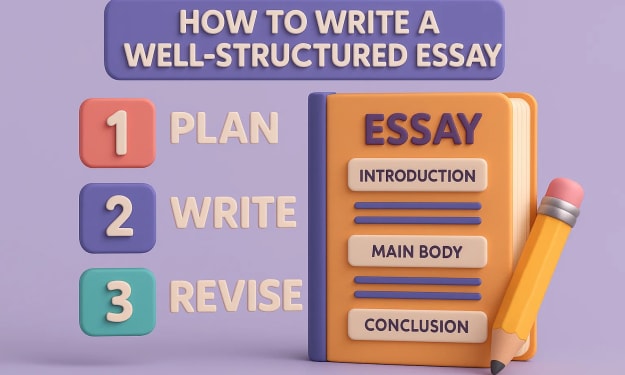
How to Write a Well-Structured Essay?
Writing a decent essay is an important skill. Whether you are doing homework or sharing your ideas, it actually can be useful to know how to make writing neat and clear. A standard structure of introduction, body, and conclusion will assist in making people comprehend what you are saying. Then, when you have your ideas straightened out, other people can follow you. It also strengthens and makes your writing interesting.
By sandra parkerabout a year ago in Education
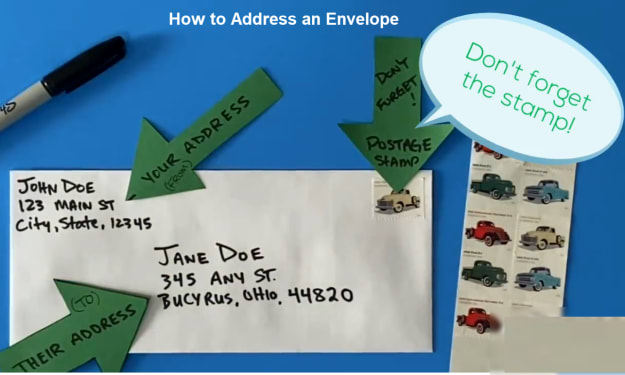
How to Address an Envelope (7 Steps Visual Guide)
Do you want to send an invite or courier to your friend or family but don’t know how to address an envelope? Many of the people, no matter their literacy, are not familiar with how they can write an address on an envelope.
By Shoaib Rehmanabout a year ago in Education
What 30 Days of Gym Can Do to Your Body. AI-Generated.
When people think about going to the gym, they often dream of getting a stronger body, more energy, and better health. But many wonder: what really happens if you go to the gym every day for 30 days? In this article, we will explore the changes that can happen in your body and mind after one month of regular exercise. The good news is that even in just 30 days, you can start to see and feel positive effects.
By Bilal Mohammadiabout a year ago in Education
Relearning Rest
Start writing...Why doing less might be the most powerful thing you can do. I used to think rest was something you earned. Rest was for after the project was done. After the laundry was folded. After I replied to every message, cleared every notification, and crossed every task off my to-do list. Only then—if there was time left—I allowed myself to rest. But even then, it came with guilt. Sound familiar? We live in a culture that equates rest with laziness. Productivity is glorified. Burnout is worn like a badge of honor. We say things like “I’ll sleep when I’m dead” and “I’ve got too much to do to slow down.” Somewhere along the way, rest became a reward instead of a necessity. But what if we've had it backwards all along? --- The Burnout You Don’t See Coming Burnout doesn’t always arrive with flashing lights. Sometimes, it slips in quietly. You wake up tired even after a full night’s sleep. You feel numb instead of excited. The things that once brought joy feel like chores. I didn’t realize I was burned out until I found myself crying in the bathroom after a seemingly normal day. No dramatic event, no crisis—just an overwhelming exhaustion that I couldn’t shake. That was the moment I realized: I had forgotten how to rest. --- Rest Is Not a Luxury Rest isn’t optional. It’s biological. Mental. Emotional. Spiritual. We are not machines designed to run non-stop. Even machines break down when they don’t get maintenance. Rest is how we heal. How we grow. How we think clearly and show up fully for ourselves and others. It’s not something we should feel guilty about—it’s something we must relearn. --- What Does Real Rest Look Like? Rest isn’t just sleeping in or taking a vacation once a year. Real rest is deeper. It’s intentional. It’s about creating space for stillness, presence, and self-connection. Here are a few types of rest that are often overlooked: Mental rest: Giving your brain a break from decisions, noise, and constant stimulation. Think: silence, meditation, or simply staring out the window without your phone. Emotional rest: Not pretending to be okay. Letting yourself feel what you feel. Saying “no” when you need to. Crying if you have to. Sensory rest: Turning off notifications. Dimming the lights. Putting your phone down. Spending time away from screens. Creative rest: Giving yourself permission to do nothing “productive.” Letting ideas come in their own time. Trusting the pause. We often think rest is one-size-fits-all. But real rest is personal. It’s about noticing what kind of tired you are—and giving yourself what you truly need. --- Relearning Rest: A Personal Practice Here’s how I slowly relearned the art of rest. Maybe it will help you too. 1. I stopped glorifying busy. Being busy doesn’t always mean being effective. I started asking myself: Is this meaningful, or just noise? 2. I created “white space” in my day. Not every hour needs to be scheduled. Even 15 minutes of unscheduled time can give your mind room to breathe. 3. I gave myself permission to rest without earning it. This was the hardest part. But I started reminding myself: I don’t have to “do” to be worthy of rest. 4. I started romanticizing slowness. A slow walk. Making tea without multitasking. Sitting outside just to feel the wind. These moments are tiny acts of self-respect. --- Rest Is Resistance In a society that tells you to keep grinding, rest becomes an act of rebellion. It's a way of saying, "I matter, even when I’m not producing. My worth isn’t tied to output." Rest reconnects us to what truly matters. It gives us space to hear our own thoughts, feel our feelings, and return to the world more grounded and whole. --- You Don't Need to Earn It If you're tired, you don't need a reason. You don’t have to justify your exhaustion or prove how hard you’ve worked to deserve rest. You are allowed to slow down. You are allowed to disconnect. You are allowed to simply… be. Relearning rest isn’t a one-time fix. It’s a practice—a daily, intentional choice to honor your limits and nurture your well-being. And sometimes, the most powerful thing you can do for your future self… is rest today. --- Suggested Cover Photo: A peaceful, cozy setting—someone curled up in a soft blanket with a book and tea, gentle light filtering through a window. The vibe should feel warm, calm, and inviting.
By Qaseem Ahmadzaiabout a year ago in Education
The Truth About Vitamins for Weight Loss
Spoiler alert: They’re not miraculous pills—but they just might be metabolic sidekicks. Walk into any supplement aisle or search “weight loss vitamins” online, and you’ll find claims of faster metabolism, effortless fat burning, and suppressed cravings in capsule form, but do these nutrient-packed tablets actually work, or are we just swallowing clever marketing?
By karl usherabout a year ago in Education
Curious Boater’s Safety Guide: Wilmington Waters
Have you ever wondered what secrets Wilmington’s coastal waters hold—and how to explore them safely? From the shifting moods of the Cape Fear River to the hidden sandbars off Masonboro Island, each voyage presents new puzzles. This guide invites your curiosity, uncovering essential boating safety tips for navigating Wilmington’s waterways with confidence. Through four focused sections, you’ll ask the right questions, pack the right gear, and master the strategies that seasoned local captains rely on.
By Tim Neatheryabout a year ago in Education
Tech And Marketing Conference Explores The Rise Of Discovery Without Search
By 2030, over 29 billion smart devices will be in use globally, many designed to predict user needs without a query. Already, your phone suggests headlines, your smartwatch prompts hydration, and your fridge builds grocery lists—no search required.
By FUELD Conferenceabout a year ago in Education
ChatGPT vs DeepSeek. AI-Generated.
Introduction Artificial Intelligence, often called AI, has become one of the most important and exciting areas in technology today. It is changing how we live, work, and communicate. Two powerful AI technologies that have attracted a lot of attention are ChatGPT and DeepSeek. Both are built using artificial intelligence but serve very different purposes.
By Bilal Mohammadiabout a year ago in Education