
Curious Boater’s Safety Guide: Wilmington Waters
This guide takes an educative approach, outlining how to interpret weather and tides, prepare your boat, navigate safely, and handle emergencies—helping you gain confidence before every departure.

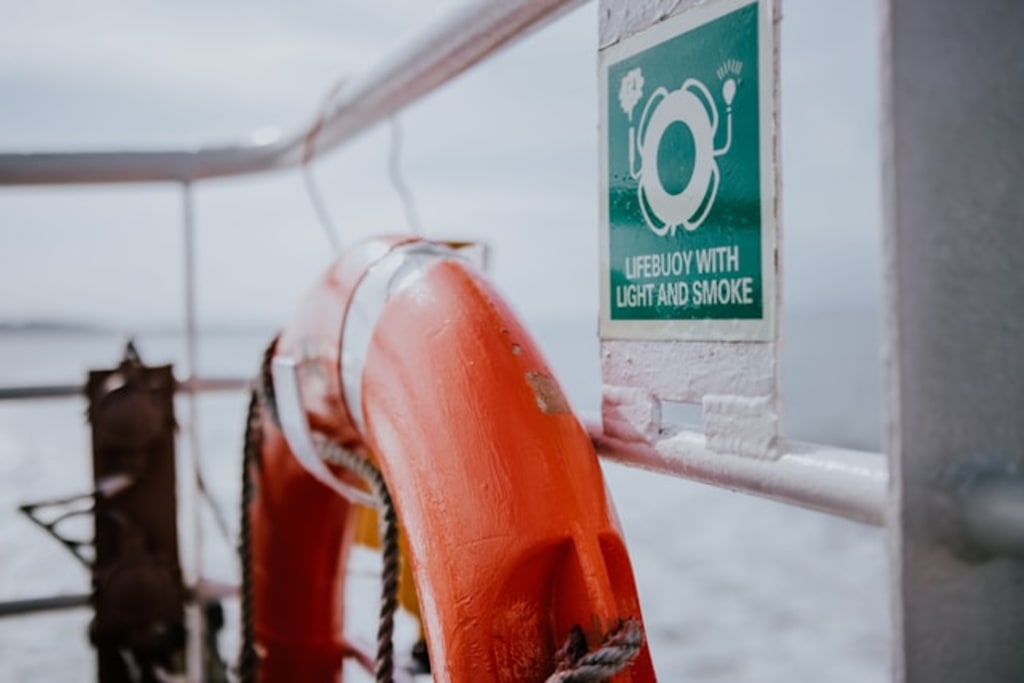
Have you ever wondered what secrets Wilmington’s coastal waters hold—and how to explore them safely? From the shifting moods of the Cape Fear River to the hidden sandbars off Masonboro Island, each voyage presents new puzzles. This guide invites your curiosity, uncovering essential boating safety tips for navigating Wilmington’s waterways with confidence. Through four focused sections, you’ll ask the right questions, pack the right gear, and master the strategies that seasoned local captains rely on.
1. What Can Weather and Tides Teach You?
Have you noticed how a clear morning sky can transform into an afternoon squall along the coast? Wilmington’s unique position at the meeting point of the Cape Fear River and the Atlantic means weather patterns can change in minutes. Curious about predicting these shifts? Start by checking the National Weather Service marine forecast—it offers wind speed, gust alerts, and storm watches tailored to local estuaries. Next, dive into tide tables: did you know that departing at high tide helps clear the inlet faster but can also intensify currents when you return? Conversely, low tide exposes sandbars and oyster beds that often lurk beneath calm surfaces. By asking when the next slack tide occurs, you’ll learn to plan departures and returns around moments of reduced current flow, turning potentially treacherous passages into smooth sailings.
2. Which Safety Gear Will Become Your Best Friend?
What items could save your life when you’re miles from shore? The U.S. Coast Guard mandates one personal flotation device (PFD) per person—and wearing it before leaving the dock can make all the difference. But have you considered layering your safety setup? A throwable cushion, a sounding device such as a whistle or horn, and visual signals like orange flags or flares add extra lines of defense. Imagine needing to broadcast an urgent “Mayday” on VHF Channel 16—will your radio battery hold out? Carrying a fully charged marine radio plus a mobile phone in a waterproof pouch answers that question. Before every trip, perform a pre-departure check: inspect engine oil, test bilge pumps, and confirm navigation lights. By treating each piece of equipment as a puzzle piece in your safety arsenal, you’ll gain the reassurance that comes from knowing you’re prepared for surprises.
3. Which Hidden Hazards Demand Your Attention?
Could a seemingly empty stretch of water conceal a wreck or reef? In Wilmington, navigation isn’t just about following buoys—it’s about reading subtle cues on the horizon and on your chartplotter. Curious how to spot submerged dangers before they strike? Learn to interpret buoy markers: red buoys line the starboard side when heading home, while green buoys line the port side. But beyond buoys, have you mapped the ever-shifting oyster beds near Bird Island or the sandbars edging Masonboro Inlet? Strong cross-currents near the inlet can push unsuspecting vessels off course in seconds. At night or in fog, how will you stay on track? Ensuring your navigation lights are fully functional and slowing your speed gives you more reaction time. By asking these questions and visually confirming landmarks—like the Wilmington Harbor Range Front and Rear lights—you’ll navigate safely through channels and avoid costly mistakes.
4. How Do You Master Emergency Responses?
Have you practiced your response to the worst-case scenario? Knowing the theory is one thing—putting it into action requires rehearsal. Start by designating roles: who handles the radio, who tends to injuries, and who monitors the engine? Conducting a routine man-overboard drill using the Williamson or figure-eight retrieval method turns anxiety into muscle memory. If your engine sputters or you run aground, what’s your first step? Cut the engine to prevent damage, then use a sounding pole to gauge depth—rising tides may free you without assistance. Should you need help, broadcasting a “Mayday” on Channel 16 with clear details—your vessel name, precise GPS coordinates, and nature of distress—can save precious minutes. If a radio call isn’t possible, visual and audible signals take over: red flares, repeated whistle blasts, or cloth visual signals alert nearby vessels and rescue teams. By asking “What would I do if…?” and practicing those steps, you’ll build the confidence to act decisively under pressure.
By following these curious inquiries into boating safety tips for Wilmington’s coastal waters, you’ll transform uncertainty into empowered decision-making. Each trip becomes an opportunity to learn—from weather patterns and tidal rhythms to gear checks, hazard recognition, and emergency drills. So next time you plan an outing, ask yourself: What will I discover today, and how will I stay safe while doing it? Let your curiosity guide you, and the wonders of Wilmington’s seaside will unfold with every safe and confident voyage.
About the Creator
Tim Neathery
Tim Neathery is a seasoned HR leader and Chief People Officer at Javara, with 25+ years in clinical research, known for people-centric leadership and community service.
Portfolio : https://timneathery.com
Enjoyed the story? Support the Creator.
Subscribe for free to receive all their stories in your feed.
Comments
There are no comments for this story
Be the first to respond and start the conversation.