courses
Tackle that seemingly endless selection of course offerings; a roundup of helpful resources and sound advice for selecting the best courses and acing them.
The value of games in education
Start writing..hgaming has become an essential part of modern-day entertainment. With the rise of video games over the past few decades, the gaming industry has experienced exponential growth. However, there is more to gaming than just entertainment, as games have become a valuable tool in education.
By Sakshi Verma3 years ago in Education
MBA in Marketing Management
Marketing Management Marketing is a crucial aspect of any business, and companies are always on the lookout for professionals who can help them promote their products and services. An MBA in Marketing Management is an excellent way to gain the skills and knowledge needed to succeed in this field.
By ShikshaGurus3 years ago in Education
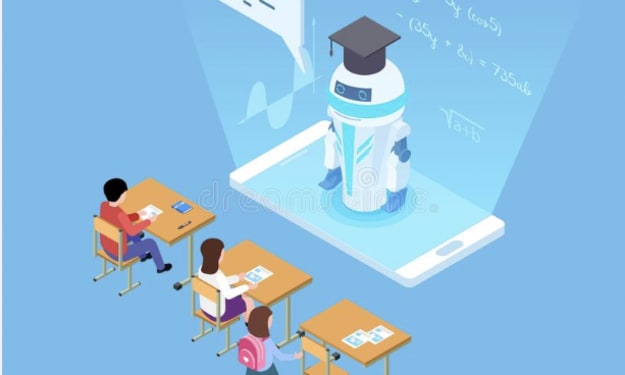
Artificial Intelligence Improving Education
Artificial Intelligence (AI) has become a pervasive technology in our daily lives and is being integrated into several fields such as healthcare, finance, and education. The education sector has begun to leverage AI technology to create significant improvements in learning experiences. AI has the potential to revolutionize education in terms of personalization, efficiency, and engagement. In this article, we will explore how AI can improve education.
By Atlas Writes3 years ago in Education
The Importance and Challenges of Education and Early Childhood Education: Strategies for Improvement
The Importance of Early Childhood Education Early childhood education is critical in the development of a child's cognitive, physical, and social skills. It is a foundation for future education and career success. Early childhood education encompasses the period from birth to age eight, and it lays the groundwork for future learning. The following are the reasons why early childhood education is essential: 1. Cognitive Development: Early childhood education provides children with opportunities to develop cognitive skills such as problem-solving, critical thinking, and creativity. The brain develops rapidly during the early years, and early childhood education can help shape the cognitive abilities of children. 2. Social Development: Early childhood education helps children develop social skills such as communication, empathy, and cooperation. These skills are essential for building relationships and navigating the social world. 3. Physical Development: Early childhood education promotes physical development by introducing children to physical activities and play. Physical activities not only promote healthy habits but also help children develop their motor skills. 4. Emotional Development: Early childhood education helps children develop emotional regulation and social skills. It promotes emotional intelligence, which is essential for building healthy relationships and dealing with emotions. Benefits of Early Childhood Education Early childhood education has benefits beyond the development of a child's cognitive, physical, and emotional skills. It has lasting effects on a child's educational and career outcomes. The following are some of the benefits of early childhood education: 1. Improved Academic Performance: Children who participate in early childhood education programs perform better academically in later years. Early childhood education programs promote a love for learning and help children develop essential skills that prepare them for formal education. 2. Reduced Crime and Social Problems: Early childhood education has been linked to a reduction in crime and social problems. Children who participate in early childhood education are less likely to be involved in criminal activities in later years. 3. Increased Economic Stability: Early childhood education has a significant impact on a child's future economic stability. Children who participate in early childhood education programs are more likely to succeed in their careers and earn higher salaries. 4. Positive Social and Emotional Outcomes: Early childhood education promotes positive social and emotional outcomes by helping children develop social skills such as empathy, communication, and cooperation. Challenges in Early Childhood Education Early childhood education is not without its challenges. The following are some of the challenges in early childhood education: 1. Inadequate Funding: Early childhood education programs often suffer from inadequate funding. This could lead to a lack of resources, lack of qualified staff, and reduced program quality. 2. Teacher Shortages: A shortage of qualified early childhood educators makes it challenging to provide quality programs. Early childhood education is highly specialized, and not all teachers have the necessary training and qualifications. 3. Access to Programs: Many families do not have access to quality early childhood education programs. This is often due to geography, cost, and other socio-economic factors. 4. Standardization: Early childhood education is a highly specialized field, and standardization could lead to the loss of creativity and flexibility that is essential for young children's development. Improving Early Childhood Education Improving early childhood education is essential for the growth and development of children. The following are some strategies for improving early childhood education: 1. Increasing Funding: Increasing funding for early childhood education programs is necessary to provide quality programs. Funding will help to provide resources, attract qualified staff, and improve program quality. 2. Professional Development for Teachers: Providing professional development opportunities for teachers is essential for improving early childhood education. Teachers need to receive training and support to provide quality programs. 3. Expanding Access: Expanding access to early childhood education programs is essential for providing more children with access to quality programs. Government subsidies, tax credits, and other incentives could help families access quality programs. 4. Innovative Programs: Innovative programs that promote creativity and flexibility should be encouraged. Standardization should not be prioritized over creativity and flexibility that are essential for early childhood development. Conclusion Early childhood education is essential for the development of a child's cognitive, physical, emotional, and social skills. It lays the foundation for future academic and career success. Early childhood education has lasting effects on a child's life and has been linked with improved academic performance, increased economic stability, and decreased social problems. Ensuring access to quality early childhood education programs is essential for the growth and development of children. Strategies such as increasing funding, professional development for teachers, expanding access, and innovative programs could improve early childhood education. The development of effective early childhood education programs have a positive impact not only on a child's life but also on society as a whole. Introduction Education is one of the most important aspects of human life. It shapes individuals, helps them understand the world around them, and prepares them for the future. Education is a building block in the development of any society. It determines the level of progress, growth, and civilization of a nation. Education is not only essential from an intellectual point of view but also from a social and economic perspective. In this article, we will delve deeper into the importance of education, its types, and how it helps individuals and society in general. Importance of Education Education plays a vital role in the development of any individual. The benefits of education for individuals are as follows: 1. Personal Development: Education provides individuals with opportunities for personal growth and development. It helps individuals learn about themselves and their potential. It enhances their analytical and critical thinking skills, thereby making them more self-aware and confident. 2. Employment: Education is a primary factor in finding employment and building a career in one's field of interest. It provides individuals with the skills necessary to succeed in a competitive job market. Individuals with higher education levels are more likely to earn higher salaries and enjoy job security. 3. Social Development: Education promotes socialization and helps individuals develop social connections. Educational institutions are excellent places to meet people from different backgrounds and cultures. It helps individuals learn how to interact with others, which is essential in both personal and professional settings. 4. Enhancing Quality of Life: Education enables individuals to make informed decisions, which enhances their quality of life. It provides individuals with the necessary knowledge and skills to improve their health, finances, and relationships. The importance of education extends beyond personal development. It is also critical for social and economic development. Social Development Education plays an essential role in the overall development of society. It helps individuals understand their role in society and teaches them the importance of civic engagement. Education promotes socialization and the creation of social networks that facilitate community building. Individuals who are educated are more likely to participate in community activities, volunteer their time, and contribute to the well-being of their community. Education also promotes social mobility. It provides individuals from disadvantaged backgrounds with the necessary skills to succeed in life. Education is often cited as the great equalizer because it provides opportunities for anyone, regardless of their social or economic background, to succeed. Economic Development Education is critical for economic development. It enhances the human capital of a country or region by providing individuals with the skills necessary for economic growth. Education is an essential component of economic mobility. It enables individuals to find better-paying jobs and to start their businesses. Education is also critical for the advancement of technology. Education provides individuals with the necessary knowledge and skills to innovate and develop new technologies. Innovative technologies lead to increased productivity and economic growth. Types of Education Education can be categorized into different types, depending on the level, areas of expertise, and intended outcomes. The following are the most common types of education: 1. Secondary Education: This form of education is between primary and tertiary education. It is structured in a way that allows students to specialize in particular areas of study beyond the general curriculum. Secondary education is often a stepping stone to higher levels of education. 2. Higher Education: This refers to learning beyond high school. Institutions offering higher education include universities, colleges, and vocational schools. Higher education offers students the opportunity to specialize in areas of interest and prepares them for their careers. 3. Vocational Education: Vocational education provides individuals with a practical and hands-on approach to learning. It is designed to equip students with the skills necessary for specific careers such as plumbing, welding, and construction. 4. Business Education: This type of education provides individuals with the knowledge and skills required to succeed in the business world. Business education programs prepare individuals for careers in finance, marketing, accounting, and management. Benefits of Technology in Education Advancements in technology have changed the way education is delivered and consumed. Technology has had a profound impact on education, making it more accessible, engaging, and efficient. The following are some of the benefits of technology in education: 1. Accessible Education: Technology has made education more accessible to individuals from all over the world. Online courses, video lectures, and other online educational resources have made it possible for anyone to learn from anywhere at any time. 2. Engaging Learning Experiences: Technology has revolutionized the way, we learn by providing more interactive and visual learning experiences. The use of multimedia and interactive technologies such as virtual reality has made learning more engaging and memorable. 3. Reduced Costs: Technology has reduced the cost of education in various ways. It has made it possible for institutions to deliver learning experiences without the need for physical resources such as textbooks, buildings, and equipment. 4. Improved Learning Efficiency: Technology has made it possible to customize learning experiences based on individual needs and learning styles. Learning management systems and other educational software provide students with a personalized learning experience, which improves learning efficiency and outcomes. Challenges in Education Despite the benefits of education, there are still significant challenges that need to be addressed. Challenges in education are not confined to a particular region or country but are universal. The following are some of the challenges in education: 1. Accessibility: Although technology has made education more accessible, there are still individuals who do not have access to quality education. Accessibility to education is often influenced by a variety of factors such as geography, economics, and socio-cultural factors. 2. Quality of Education: There are concerns about the quality of education in various countries. The quality of education is determined by various factors such as content, delivery, and assessment strategies. The quality of education is often a reflection of the quality of teachers and educational resources. 3. Inequality in Education: There is a significant gap in education attainment between different socio-economic groups. Children from disadvantaged backgrounds often receive lower quality education compared to those from affluent families. 4. Technological Divide: The use of technology in education is still lagging in some regions and communities. The lack of technological infrastructure and inadequate resources have limited technological access to education. Conclusion Education is essential for the personal, social, and economic development of individuals and societies. It is a tool for reducing inequalities, promoting economic growth, and fostering social mobility. Advances in technology have had a significant impact on education, making it more accessible, engaging, and efficient. However, challenges still exist that need to be addressed in order to ensure that education is accessible and of high quality for everyone. Improvements in education must be made to promote lifelong learning and to support the development of individuals and societies.
By MUHAMMAD ANAS QURESHI3 years ago in Education
Plant-Based Diet
As a health and wellness enthusiast, I have found that transitioning to a plant-based diet has been one of the best decisions I have ever made for my health. Not only has it helped me to maintain a healthy weight, but it has also provided me with more energy, clearer skin, and an overall feeling of wellness. If you are interested in starting a plant-based diet but do not know where to begin, this article is for you. Here are some tips and tricks for beginners to get started on a plant-based diet:Introduction to Plant-Based Diets
By Pirjo Molari3 years ago in Education
Honda
Honda is a Japanese multinational corporation that is well-known for its production of automobiles, motorcycles, and power equipment. The company was founded in 1948 by Soichiro Honda and Takeo Fujisawa, and since then, it has grown to become one of the largest and most successful companies in the world.
By Mahendrarajah Mithusharan3 years ago in Education
HARD SURFACE DEFECT MASTERS REVIEW: IS IT WORTH THE INVESTMENT?
Fixing all the hard surfaces of your property isn’t an easy task. How about learning a new skill that allows you to earn more than $100 per hour with little effort? Surface Defect Masters Review will help you learn a new and well-paying trade that can help you make a lot of money daily.
By abdullahi bichi3 years ago in Education
INTERMITTENT FASTING
INTRODUCTION Intermittent fasting is a type of eating pattern that involves alternating between periods of eating and fasting. This practice has been around for centuries and is rooted in many cultures and religions. The idea behind it was to purify the body and mind and improve overall health. This time-tested practice involves alternating periods of eating and fasting, causing a metabolic change in the body that leads to numerous health benefits. In this article we will explore the origins of intermittent fasting, how it works and its various types and benefits. So whether you're looking to shed a few extra pounds, improve your health, or just treat yourself to this ancient practice, read on to find out everything you need to know about intermittent fasting.
By kendra smith3 years ago in Education
"Become the Goddess of His Heart: How to Make Him Worship You"
Every woman can make one man to worship her truely Are you tired of feeling unappreciated and unsupported in your relationship? Do you long for a deeper connection and genuine love with your partner? If so, "Make Him Worship You" by Michael Fiore is the perfect guide for you.
By SaQiB Naqvi3 years ago in Education