college
Maximize your university experience with these tips for all things collegiate–how to achieve a perfect GPA, select the right major, finance your college education and more.
Overcoming Procrastination: Proven Strategies to Boost Your Productivity
# Overcoming Procrastination: Tips and Tricks to Boost Your Productivity Procrastination is a common challenge that many people face in their personal and professional lives. It is the act of delaying or postponing tasks, even when we know they are essential. The consequences of procrastination can range from missed deadlines and increased stress to reduced productivity and self-esteem. However, overcoming procrastination is possible with the right strategies and mindset. This article offers practical tips and tricks to help you beat procrastination and take control of your time. ## Understanding Why We Procrastinate To effectively overcome procrastination, it's essential to understand its root causes. People procrastinate for various reasons, including: 1. **Fear of Failure:** Some individuals delay tasks because they are afraid they won't perform well. 2. **Perfectionism:** The desire to do something perfectly can lead to inaction. 3. **Overwhelming Tasks:** When a task seems too big or complicated, it can feel paralyzing. 4. **Poor Time Management:** Without proper planning, tasks can pile up, leading to procrastination. 5. **Lack of Motivation:** When we don’t find a task interesting or meaningful, it’s easy to put it off. By identifying the reason for your procrastination, you can choose the right approach to overcome it. ## Tips and Tricks to Overcome Procrastination ### 1. **Break Tasks into Smaller Steps** One of the most effective ways to overcome procrastination is to break down large tasks into smaller, more manageable steps. This approach makes the task seem less overwhelming and gives you a sense of accomplishment as you complete each step. **Example:** If you're writing a report, start by outlining the structure, gathering research, and then writing one section at a time. ### 2. **Set SMART Goals** SMART goals are Specific, Measurable, Achievable, Relevant, and Time-bound. Setting clear and realistic goals helps you stay focused and motivated. **Example:** Instead of saying, "I'll work on my project today," set a specific goal like, "I'll complete the introduction of my project by 2 PM." ### 3. **Use the Two-Minute Rule** The Two-Minute Rule suggests that if a task takes less than two minutes, do it immediately. This rule helps you handle small tasks quickly and prevents them from piling up. **Example:** Replying to a quick email or organizing your desk can be done in two minutes or less. ### 4. **Create a Schedule** Having a structured schedule helps you allocate time for specific tasks and stay organized. Use tools like calendars, planners, or digital apps to plan your day. **Tip:** Block out time for focused work and include breaks to avoid burnout. ### 5. **Eliminate Distractions** Distractions are one of the biggest culprits of procrastination. Identify and eliminate distractions to create a productive work environment. **Tips:** - Turn off notifications on your phone. - Create a dedicated workspace. - Use website blockers if you get distracted by social media. ### 6. **Practice the Pomodoro Technique** The Pomodoro Technique involves working for 25 minutes, taking a 5-minute break, and repeating the cycle four times before taking a longer break. This technique helps maintain focus and prevent mental fatigue. ### 7. **Find an Accountability Partner** Sharing your goals with a friend, colleague, or mentor can provide the motivation to stay on track. Regular check-ins with your accountability partner can help you stay committed to your tasks. ### 8. **Use Positive Reinforcement** Rewarding yourself for completing tasks can boost motivation and make the process more enjoyable. **Example:** Treat yourself to a favorite snack, a short walk, or a movie after finishing a challenging task. ### 9. **Address Negative Thoughts** Procrastination is often fueled by negative thoughts such as "I can't do this" or "This is too hard." Challenge these thoughts by focusing on your strengths and past successes. **Tip:** Replace negative thoughts with affirmations like "I am capable of completing this task" or "I will take it one step at a time." ### 10. **Visualize the End Result** Visualizing the positive outcome of completing a task can increase motivation. Imagine how accomplished and relieved you'll feel once the task is done. **Tip:** Create a vision board or write down your goals to keep your motivation high. ### 11. **Embrace Imperfection** Perfectionism can be a significant barrier to productivity. Accept that doing your best is often better than striving for perfection. **Tip:** Focus on progress, not perfection, and celebrate your efforts. ### 12. **Practice Self-Compassion** Be kind to yourself when you face setbacks. Avoid harsh self-criticism and remember that procrastination is a common challenge. **Tip:** Reflect on what went wrong, learn from the experience, and move forward with a positive attitude. ## Conclusion
By Nora Ariana2 years ago in Education
Tips for Success as a Junior Data Analyst
Starting a career as a Junior Data Analyst can be exciting yet challenging. This role is an excellent opportunity to learn, grow, and make a difference by interpreting data and offering insights that help businesses thrive. Whether you're just getting started or trying to stand out in your role, here are practical tips to help you succeed as a Junior Data Analyst.
By Harish Kumar Ajjan2 years ago in Education
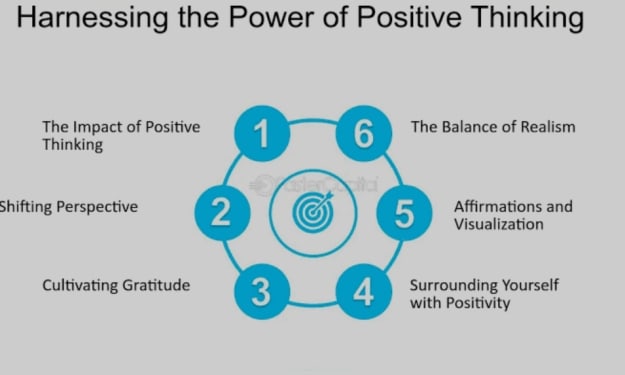
Harnessing the Power of Positive Thinking: Your Pathway to Success
# The Power of Positive Thinking for Success In today’s fast-paced and challenging world, success often feels elusive and distant. However, one crucial element that significantly contributes to achieving success is often overlooked: the power of positive thinking. Positive thinking is more than just being cheerful or ignoring life's difficulties; it's a mental attitude that focuses on possibilities, solutions, and opportunities. It empowers individuals to navigate life's challenges with resilience, confidence, and determination, ultimately leading to success. ## Understanding Positive Thinking Positive thinking is the practice of focusing on constructive thoughts and maintaining an optimistic outlook on life. It involves challenging negative thoughts, shifting your mindset toward hope and possibilities, and maintaining an attitude of gratitude regardless of circumstances. People who adopt positive thinking often experience lower stress levels, better health, stronger relationships, and greater career success. Positive thinking doesn't mean ignoring life's challenges or pretending that negative emotions don't exist. Instead, it means acknowledging obstacles and difficulties but choosing to focus on solutions and the belief that you can overcome them. This mindset creates an environment for growth and fosters success in personal and professional endeavors. --- ## How Positive Thinking Contributes to Success 1. **Enhanced Problem-Solving Skills**
By Nora Ariana2 years ago in Education
Coventry University Ranking: A Premier Destination to Study in the UK
Coventry University stands as a beacon of academic excellence, attracting students from across the globe with its stellar reputation, innovative approach to education, and vibrant campus life. Nestled in the heart of Coventry, England, this prestigious university consistently ranks among the top institutions in the UK, offering world-class programs and facilities.
By shikha rawal2 years ago in Education
What B-Schools Like Columbia and Chicago Booth Look for in Applicants
Pursuing an MBA from prestigious business schools like Columbia Business School and the University of Chicago Booth School of Business is a dream for many aspiring leaders and entrepreneurs. These institutions are globally renowned for their rigorous MBA programs, exceptional faculty, and strong alumni networks. However, gaining admission to these schools is no easy feat. Columbia MBA and Chicago Booth MBA programs look for more than just stellar grades and high GMAT scores. They seek well-rounded candidates who exhibit leadership potential, a clear sense of purpose, and the ability to thrive in a competitive academic environment.
By MastersBuddy2 years ago in Education
Ace Your Ethical Hacking Certification: Tips and Strategies
In modern information, cybersecurity has turned out to be one of the major concerns for any organisation. With rising cyber threats and sophisticated cyber-attacks, organisations need to implement all precautions to save their assets, data, and networks. In combating cybercrime, one of the finest ways is ethical hacking. Ethical hackers apply the same techniques that malicious hackers use to detect weak spots before they become a vulnerability. A certification in ethical hacking will not only help validate your skills but it also opens up a world of career opportunities.
By anders wisdom2 years ago in Education
Build Unshakable Confidence in 30 Days: Transform Your Life Step by Step
How to Build Confidence in 30 Days Confidence is a vital ingredient for success in life, affecting your relationships, career, and overall well-being. Many people struggle with self-doubt and fear of failure, which can hold them back from living their best lives. The good news is that confidence is not a fixed trait; it can be built and nurtured with consistent effort. This guide provides practical steps to help you build confidence in just 30 days. --- ## **Day 1-5: Self-Reflection and Awareness** ### **1. Identify Your Strengths and Weaknesses** Take time to list your strengths and achievements. Focus on what you are good at and the positive feedback you've received from others. This exercise will remind you that you have unique qualities that make you valuable. ### **2. Acknowledge Negative Self-Talk** Pay attention to your internal dialogue. Negative self-talk can be a significant confidence killer. Write down any self-critical thoughts and challenge them by asking yourself whether they are rational or helpful. ### **3. Set Clear Goals** Identify areas in your life where you want to be more confident. Set specific, measurable, and achievable goals for the next 30 days. For example, if you want to improve your public speaking skills, set a goal to give a presentation or participate in a discussion. --- ## **Day 6-10: Daily Habits for Boosting Confidence** ### **4. Practice Positive Affirmations** Start each day by saying positive affirmations. Examples include: - "I am confident and capable." - "I am worthy of success and happiness." Affirmations help reprogram your mind to focus on your strengths and potential. ### **5. Maintain Good Posture** Your body language affects how you feel about yourself. Stand tall, keep your shoulders back, and make eye contact when speaking to others. Adopting confident body language can positively impact your mindset. ### **6. Dress to Impress** Wear clothes that make you feel comfortable and confident. When you look good, you tend to feel better about yourself, which naturally boosts confidence. --- ## **Day 11-15: Face Your Fears and Step Out of Your Comfort Zone** ### **7. Take Small Risks** Identify small challenges that push you out of your comfort zone. This could be initiating a conversation with a stranger or trying a new hobby. Each success will build your confidence. ### **8. Practice Saying No** Being assertive is a key component of confidence. Practice saying "no" when necessary, without feeling guilty. This helps you set healthy boundaries and prioritize your needs. ### **9. Celebrate Your Wins** Keep a journal to record your daily achievements, no matter how small. Celebrating your progress reinforces a sense of accomplishment and boosts self-esteem. --- ## **Day 16-20: Building Skills and Seeking Feedback** ### **10. Improve Your Skills** Identify skills that will enhance your confidence in specific areas. Take a course, read books, or practice regularly to build competence. For example, improving your communication skills can make you more confident in social interactions. ### **11. Seek Constructive Feedback** Ask trusted friends, colleagues, or mentors for feedback on your performance. Constructive feedback helps you identify areas for improvement and recognize your progress. ### **12. Visualize Success** Spend a few minutes each day visualizing yourself succeeding in various scenarios. Imagine how you would feel, act, and speak when you are confident. Visualization trains your mind to anticipate positive outcomes. --- ## **Day 21-25: Strengthening Relationships and Positive Influence** ### **13. Surround Yourself with Positive People** Spend time with people who uplift and support you. Positive relationships provide encouragement and help you maintain a confident mindset. ### **14. Offer Help to Others** Helping others boosts your self-worth and gives you a sense of purpose. Volunteer for a cause or assist a friend in need to build your confidence through acts of kindness. ### **15. Limit Social Comparisons** Comparing yourself to others can diminish your confidence. Focus on your journey and measure your progress against your past self rather than others. --- ## **Day 26-30: Maintaining Momentum and Long-Term Confidence** ### **16. Develop a Gratitude Practice** Each day, write down three things you are grateful for. Gratitude shifts your focus from what's lacking to what you have, fostering a positive and confident mindset. ### **17. Keep a Confidence Journal** Document your thoughts, achievements, and challenges. Reflecting on your progress will help you see how far you've come and motivate you to keep building confidence. ### **18. Practice Mindfulness** Mindfulness helps you stay present and reduces anxiety. Incorporate mindfulness exercises, such as meditation or deep breathing, to stay calm and focused in challenging situations. ### **19. Continue Setting New Goals** Building confidence is an ongoing process. Set new goals after the initial 30 days to maintain momentum and continue growing. ### **20. Reward Yourself** Celebrate completing this 30-day challenge by treating yourself to something special. Recognizing your hard work reinforces the importance of self-care and boosts your confidence. --- ## **Conclusion** Building confidence in 30 days is achievable with commitment and consistent effort. By following these practical steps, you can transform your mindset, overcome self-doubt, and unlock your full potential. Remember, confidence is a journey, not a destination. Keep challenging yourself, celebrating your wins, and nurturing a positive self-image. You've got this!
By Nora Ariana2 years ago in Education
The Many Faces of Love: Understanding the Depths of Human Connection
Love is one of the most profound and powerful human emotions. It has been celebrated, dissected, and sought after across cultures, religions, and history. Yet, despite its universal nature, love is remarkably complex, taking on different meanings and forms depending on time, culture, and individual experience. From the fiery passion of romantic love to the deep, unspoken connection between friends or the boundless affection a parent feels for a child, love wears many faces. In this article, we will explore the various dimensions of love, including its biological, emotional, and philosophical aspects, and how these different types manifest in our lives. ### 1. **Romantic Love: The Idealized Passion**
By Nora Ariana2 years ago in Education