
Unlocking the Power of Social Features: How to Supercharge User Engagement in Music Streaming Apps
In this blog, we’ll explore how music streaming app development companies can supercharge user engagement by unlocking the power of social features, while also delving into how the integration of AR, VR, and AI can further elevate these experiences.

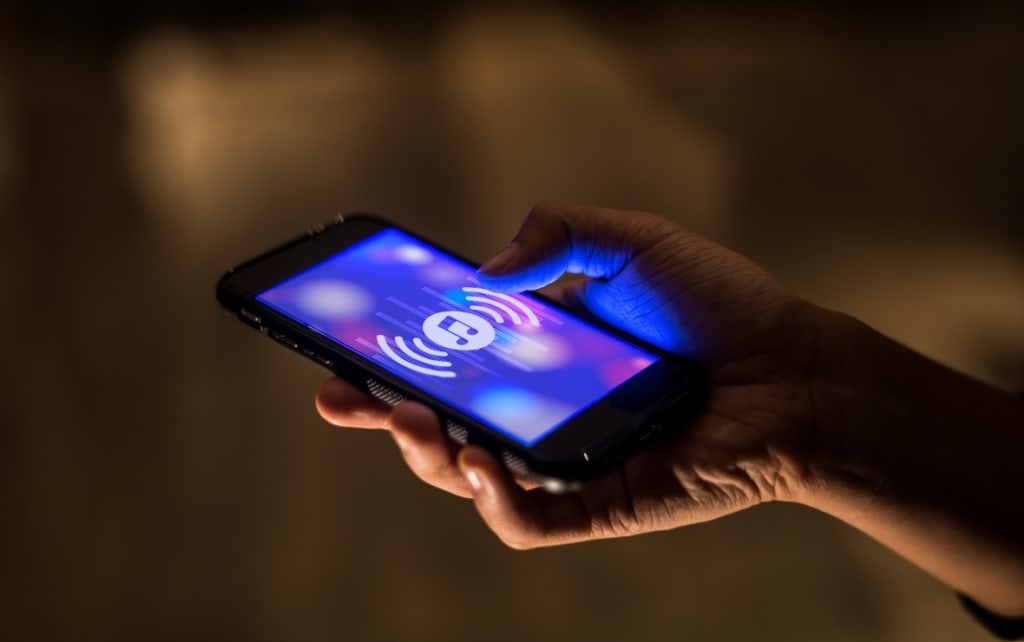
In today’s fast-paced digital world, music streaming apps have transformed from simple platforms for listening to songs into vibrant, interactive ecosystems that engage users in novel ways. The evolution of these apps has created an exciting opportunity for music streaming app development company to not only enhance the listening experience but also to integrate social features that create a sense of community and increase user engagement.
The digital landscape is changing, and music streaming services like Spotify, Apple Music, and YouTube Music are now more than just places to stream your favorite tunes. As competition grows, these platforms are focusing on the integration of new technologies such as augmented reality (AR), virtual reality (VR), and artificial intelligence (AI) to offer innovative experiences that keep users engaged.
In this blog, we’ll explore how music streaming app development companies can supercharge user engagement by unlocking the power of social features, while also delving into how the integration of AR, VR, and AI can further elevate these experiences.
Why Social Features Matter in Music Streaming
For years, the primary function of music streaming apps has been to provide access to music. However, this has shifted as these platforms have become more social and interactive. Today’s consumers are looking for more than just a playlist—they want an experience that resonates with them on a personal level and allows them to share that experience with others.
Social features not only foster a sense of community but also enhance the overall user experience. Users enjoy the ability to engage with their favorite artists, share songs with friends, and discover new music based on what their network is listening to. These features increase time spent on the app, which can drive higher levels of user retention and satisfaction.
Some key social features to consider integrating into music streaming apps include:
Collaborative Playlists: Allowing users to create and share playlists with their friends encourages engagement. Users can personalize their music discovery process and bond with friends over shared tastes.
User-Generated Content: Platforms like TikTok have shown that user-generated content can lead to viral trends and increased engagement. Music streaming services can incorporate tools that let users create and share short videos with their favorite tracks, helping to build a community around the music.
Social Sharing: Social media integration makes it easy for users to share what they’re listening to, contributing to the growth of the app’s user base and increasing brand visibility.
Live Streaming: Offering live concerts or artist Q&A sessions allows users to connect with musicians in real time, making them feel more connected to the artists they love.
Social Listening: With features like “Listen Together,” users can enjoy music with friends in real time, no matter the physical distance between them. This creates a shared experience and strengthens the social aspect of the app.
Now, let’s dive deeper into how emerging technologies—like augmented reality, virtual reality, and artificial intelligence—can take social features to the next level in music streaming apps.
Augmented Reality (AR) and Social Features: Creating Immersive Experiences
Augmented reality (AR) has rapidly evolved from a futuristic concept into a tangible and interactive technology. As an augmented reality app development company explores new possibilities, the integration of AR into music streaming platforms is proving to be an exciting avenue for enhancing user engagement.
Imagine this: you could use your phone or AR glasses to attend a live concert virtually. With AR, music fans could experience holographic representations of their favorite artists performing in their own living rooms, making music experiences more immersive. Moreover, AR features could be integrated into music videos, enabling users to interact with the visuals in a more dynamic way.
Incorporating AR into music streaming apps allows users to engage in:
Virtual Concerts: With AR, users can watch live performances and experience virtual concerts in their own space, allowing them to feel like they are part of the audience, even if they are miles away from the event.
Interactive Music Videos: Artists could create AR music videos that give fans a deeper connection to their work. This interactive experience can make the music feel more personalized, enhancing both artist and fan relationships.
AR Filters for Social Sharing: Offering AR filters and effects for social media sharing is a fun way for users to engage with the platform. Users can customize photos and videos with AR elements, such as album covers, lyrics, or music-themed stickers, which they can share with their friends on social media.
These features can increase time spent within the app and encourage users to return regularly. For music streaming app development companies, the potential to innovate and deliver novel AR experiences is an exciting opportunity to differentiate themselves in a competitive market.
Virtual Reality (VR) and Social Features: Redefining the Music Experience
Virtual reality (VR) has made significant strides in recent years, creating possibilities that extend far beyond gaming. As a virtual reality app development company knows, VR offers a powerful opportunity to create fully immersive environments, and music streaming platforms are starting to tap into this potential.
Imagine donning a VR headset and entering a fully realized 3D music world where you can attend concerts, explore music-themed environments, or even collaborate with other users on creating tracks. VR could completely transform how music is experienced, enabling fans to not only listen to music but also to live it.
Here are a few ways VR can supercharge user engagement:
Virtual Concerts and Festivals: VR can provide users with an experience that replicates attending a live concert or music festival without leaving their homes. This is particularly relevant for users who may not have the resources to travel or those who prefer an immersive experience from the comfort of their own space.
Music Collaboration in VR: Music lovers and artists alike could collaborate on tracks in a VR environment, where they could “meet” in a virtual studio, remix songs, and experiment with new sounds. This could lead to an entire new genre of music creation that’s collaborative, creative, and fully immersive.
Virtual Reality Music Videos: VR can also revolutionize the way music videos are experienced. Instead of watching a 2D music video, users could enter the world of the video itself, exploring it in 360 degrees and interacting with the virtual environment.
Social VR Spaces for Music Lovers: Music streaming apps can create shared VR spaces where users can meet, chat, and enjoy music together in real time. These spaces could be virtual clubs, concert halls, or even user-generated worlds where people can form connections with others who share their musical interests.
For music streaming app developers, integrating VR features into their platforms is a way to provide users with truly unique experiences that go far beyond traditional music consumption.
AI and Social Features: Personalizing the Experience
Artificial intelligence (AI) has already revolutionized the way we interact with technology, and music streaming services are no exception. AI-driven features can enhance social interactions and improve user engagement by providing personalized recommendations, social listening experiences, and smarter content discovery.
Smart Music Recommendations: By analyzing user listening habits, AI can generate highly personalized playlists and suggest new tracks based on users’ preferences. When social sharing is integrated into the experience, these recommendations can be further fine-tuned by considering what friends or social networks are listening to.
AI-Powered Chatbots: AI chatbots can serve as virtual assistants within music apps, answering user queries, recommending playlists, or even engaging in conversations about the music being played. This interaction fosters a deeper connection between users and the app.
Social Listening and Collaboration: AI can track users’ listening habits and use that data to recommend music that would work well in collaborative playlists or social listening features. This can encourage more interaction among friends, boosting user engagement.
Enhanced Content Creation: AI tools can also empower users to create their own content, whether that’s by remixing songs, generating personalized tracks, or even suggesting ways to enhance user-generated content with effects and filters.
Incorporating AI-driven social features not only enhances the user experience but also makes it easier for users to discover new music, collaborate, and stay connected with their community.
Conclusion
In the ever-evolving world of music streaming, social features are no longer just a nice addition—they’re essential for engaging and retaining users. By integrating social features like collaborative playlists, live streams, and social sharing, music streaming app development companies can create platforms that foster a sense of community and deepen user engagement.
Moreover, technologies like augmented reality, virtual reality, and artificial intelligence offer endless possibilities for supercharging user engagement. Whether through immersive AR concerts, VR music worlds, or AI-driven recommendations, these technologies can take music streaming experiences to new heights.
For companies involved in music streaming app development, partnering with AR, VR, and AI experts will be crucial in staying ahead of the competition and delivering innovative, engaging features that resonate with today’s digitally savvy music lovers. By unlocking the power of social features and these emerging technologies, music streaming apps can create experiences that not only entertain but also connect, inspire, and engage users in meaningful ways.
About the Creator
itechniq
Itechniq is recognized as the best mobile app development company in UK, offering top-tier Android and iOS app solutions tailored to client needs.
Enjoyed the story? Support the Creator.
Subscribe for free to receive all their stories in your feed.
Comments
There are no comments for this story
Be the first to respond and start the conversation.