book reviews
Book reviews for scholastic growth; read material from the world's top educators with our collection of novels, memoirs, biographies, philosophical texts and textbooks.
The Selfless Dolphin
Once upon a time, in the vast blue ocean, there lived a kind and playful dolphin named Dara. She was known for her speed, agility, and most of all, her selfless heart. While other dolphins enjoyed racing and playing, Dara always kept an eye out for those in need.
By Shahzad Khanabout a year ago in Education
The important of water
Sure! Here's a **1000-word essay** titled **"Water: The Foundation of Life and Sustainability"**, which explains the **importance of water** in detail. --- # **Water: The Foundation of Life and Sustainability** Water is often called the essence of life. Covering more than 70% of the Earth’s surface, it is one of the most abundant substances on the planet, yet also one of the most precious. Every living being, from humans and animals to plants and microorganisms, depends on water to survive. Despite its vast presence in nature, only about 2.5% of the Earth’s water is fresh and drinkable. Even then, much of it is locked away in glaciers and ice caps, making accessible water a scarce and valuable resource. In this essay, we will explore the multifaceted importance of water — from human survival and agriculture to environmental sustainability, industry, and global development. Understanding the value of water helps us appreciate its role and motivates us to protect and conserve it for future generations. --- ## **Water and Human Health** Water is a fundamental necessity for human health. The human body is made up of around 60% water, and every cell, tissue, and organ needs water to function properly. It regulates body temperature, helps digest food, transports nutrients, removes waste, and cushions joints and organs. Without adequate water, the body becomes dehydrated, which can lead to fatigue, headaches, kidney problems, and even life-threatening conditions in severe cases. Drinking clean, safe water is essential for preventing diseases. Contaminated water can carry dangerous bacteria, viruses, and parasites that cause illnesses such as cholera, typhoid, and dysentery. According to the World Health Organization, nearly 2 billion people worldwide lack access to safe drinking water, making water-related diseases a leading cause of death in many parts of the world. Ensuring access to clean water is a fundamental human right and a major goal of global health efforts. --- ## **Water in Agriculture and Food Security** Water is indispensable in agriculture, the backbone of human civilization. It is used to irrigate crops, support livestock, and process food. More than 70% of global freshwater usage goes to agriculture. Without water, crops cannot grow, and animals cannot survive, making food production impossible. In many parts of the world, especially in developing countries, rain-fed agriculture is still common. This makes farming highly vulnerable to droughts and climate variability. Irrigation systems, while more reliable, also put enormous pressure on freshwater resources. Efficient water use in agriculture, such as drip irrigation and rainwater harvesting, is crucial for ensuring global food security in a warming world. --- ## **Water and the Environment** Beyond its use in human life and agriculture, water is essential for maintaining healthy ecosystems. Rivers, lakes, wetlands, and oceans support diverse biological communities, providing habitats for countless species of fish, birds, and plants. Wetlands, in particular, act as natural water filters, flood protectors, and carbon sinks, playing a vital role in environmental balance. Deforestation, pollution, and overuse of water resources have led to the degradation of many natural ecosystems. Polluted rivers and dying lakes are signs of ecological distress that affect both nature and humans. Preserving aquatic ecosystems is critical for maintaining biodiversity and the natural processes that support life on Earth. --- ## **Water in Industry and Energy** Water also plays a crucial role in industrial development. It is used in manufacturing processes, cooling systems, cleaning, and as a raw material in many industries. The production of goods such as paper, steel, textiles, and electronics consumes large volumes of water. In the energy sector, water is vital for the generation of electricity. Hydroelectric power, which uses flowing water to produce electricity, is one of the most widely used forms of renewable energy. Water is also needed for cooling in thermal and nuclear power plants. As global energy demand increases, so does the demand for water, making water management an important factor in energy sustainability. --- ## **The Global Water Crisis** Despite the abundance of water on Earth, many regions face severe water scarcity. Factors such as population growth, climate change, pollution, and mismanagement have contributed to a growing global water crisis. Over 2.3 billion people live in water-stressed countries, and this number is expected to rise in the coming decades. Climate change is exacerbating water issues by altering rainfall patterns, reducing snowmelt, and increasing the frequency of droughts and floods. Urbanization and industrialization further strain water supplies and pollute freshwater sources. Addressing the global water crisis requires international cooperation, better infrastructure, public awareness, and strong policies for sustainable water use and management. Investing in clean water technologies and education can go a long way in building water-secure communities. --- ## **Water Conservation and Sustainable Use** Conserving water is not just the responsibility of governments and industries; it is something every individual can contribute to. Simple actions like fixing leaks, turning off taps when not in use, using water-efficient appliances, and harvesting rainwater can significantly reduce water waste. Education and awareness are key to changing water use habits. Schools, media, and community programs can play an important role in teaching people about the importance of water conservation. In addition, governments and organizations should promote sustainable agriculture, protect watersheds, and enforce regulations against water pollution. --- ## **Conclusion** Water is more than a resource—it is the foundation of life, health, and progress. It sustains our bodies, feeds our populations, powers our industries, and nurtures the ecosystems that surround us. Yet, despite its importance, water is often taken for granted and misused. As the world faces growing water challenges, we must act collectively to protect and manage this precious resource wisely. Through responsible use, innovative technology, and a shared commitment to sustainability, we can ensure that water continues to flow freely and fairly for generations to come. Every drop matters. Let us recognize the true value of water—not just as a natural element, but as the very essence of life itself. --- Would you like this essay formatted as a downloadable document (PDF or Word), or broken down for use in a school assignment or speech?
By Khizar khanabout a year ago in Education
The Wise Camel
In a vast and scorching desert, where the sun blazed mercilessly and the winds carried whispers of ancient wisdom, there lived a caravan of merchants. Among them was a young and careless camel named Kareem. Unlike the older, wiser camels, Kareem disliked carrying heavy loads and often grumbled about the long journeys.
By Shahzad Khanabout a year ago in Education
Why Understanding Contract Law Matters More Than Ever
Hiring someone. Selling something. Signing an agreement. These are common parts of life. But when things go wrong, it often comes down to one issue: the contract. Most people deal with contracts often. But many do not fully understand what they mean or how to protect their rights.
By Talha Zulfqarabout a year ago in Education
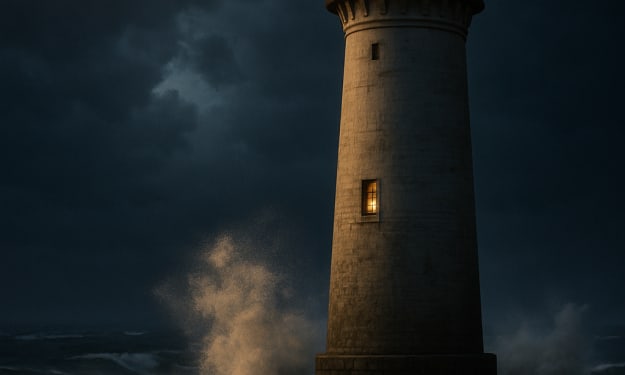
The Sentinel of the Shore
The Sentinel of the Shore: A Tribute to the Lighthouse In a world increasingly dominated by the fleeting glow of digital screens, there stands a symbol of enduring vigilance, a steadfast sentinel against the unforgiving might of the sea: the lighthouse. More than just a structure of brick and mortar, glass and light, a lighthouse embodies hope, guidance, and unwavering commitment. It is a silent guardian, a beacon of civilization at the treacherous edge of the unknown. --- A Guiding Light Through the Ages The concept of a guiding light for mariners is as old as seafaring itself. From ancient bonfires lit on headlands to the colossal Lighthouse of Alexandria, one of the Seven Wonders of the Ancient World, humans have sought to conquer the darkness of the sea. However, the modern lighthouse, as we know it, began to truly evolve with advancements in optics and engineering. By the 18th and 19th centuries, lighthouses became sophisticated structures, often built in perilous locations—on remote islands, rocky shoals, or treacherous cliffs. Each one was a testament to human ingenuity and perseverance. Engineers and builders battled relentless storms, powerful tides, and the sheer isolation of their chosen sites to erect these towers, ensuring a safe passage for ships laden with cargo and human lives. The life of a lighthouse keeper was one of immense dedication and solitude. These brave men and sometimes women, often accompanied only by their families, lived isolated lives, their days and nights dictated by the rhythmic flash of the lamp. Their primary duty was to maintain the light, cleaning the lenses, fueling the lamps (initially oil, then kerosene, and later electricity), and ensuring the complex clockwork mechanisms that rotated the beam operated flawlessly. They were the eyes and ears of the shore, observing weather patterns and sometimes even serving as emergency responders. Their vigilance was the thin line between life and death for countless sailors. --- The Anatomy of a Beacon A lighthouse is typically comprised of several key elements, each serving a vital purpose. The tower itself, varying in height and design, is engineered to withstand the harshest elements. Its robust construction, whether of stone, brick, or steel, speaks of defiance against nature’s fury. At the pinnacle of the tower resides the lantern room, a glass-enclosed space housing the light source and its intricate optical system. This system is the heart of the lighthouse, often featuring a powerful lamp coupled with a series of Fresnel lenses. These specially designed lenses, invented by Augustin-Jean Fresnel in the early 19th century, could concentrate and amplify the light, projecting a powerful, focused beam far out to sea. The unique flash pattern—a sequence of flashes and eclipses—served as a navigational signature, allowing mariners to identify their location. Below the lantern room, the watch room or service room provided a space for the keeper to monitor the light and weather conditions. Living quarters, if part of the tower, were usually located at the base or within the tower itself. --- More Than Just a Light: A Symbol Beyond their practical function, lighthouses have long held a powerful symbolic meaning. They represent: Hope and Safety: For a sailor lost in a storm or navigating treacherous waters, the sight of a lighthouse beam cutting through the darkness is a visceral promise of safety, a guiding hand leading them home. Vigilance and Dedication: The unwavering, rhythmic flash symbolizes constant watchfulness and the tireless efforts of those who dedicate their lives to protecting others. Solitude and Resilience: Standing alone against the vastness of the ocean, lighthouses are a testament to endurance, their stoic presence inspiring a sense of quiet strength. A Bridge Between Worlds: They mark the transition between the known land and the mysterious, often perilous, expanse of the sea. --- The Fading Glow in a Digital Age In the 21st century, the role of traditional lighthouses has evolved dramatically. With the advent of advanced navigation technologies like GPS (Global Positioning System), radar, and satellite communication, the need for human-operated lighthouses has significantly diminished. Many have been automated, their intricate mechanisms now controlled remotely. Some have been decommissioned entirely, while others have been preserved as historical landmarks, museums, or even unique holiday rentals. While their primary function may have been largely superseded by technology, the emotional and symbolic resonance of the lighthouse remains undiminished. They continue to capture our imagination, reminding us of a time when human courage and a simple, powerful light were the sole guardians against the ocean's unforgiving might. --- Final Tribute The lighthouse stands as a silent monument to human ingenuity, a beacon of hope against the darkness, and a timeless reminder that even in an age of blinding progress, there is an enduring beauty in the steadfast, guiding light. It reminds us that sometimes, the most profound comfort comes from a simple, unwavering presence, shining brightly through the darkest of nights.
By Noman Afridiabout a year ago in Education
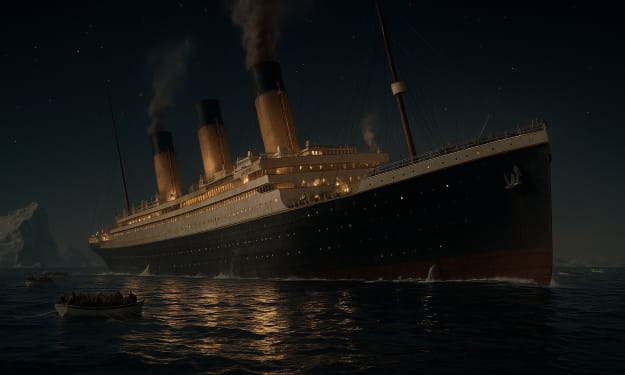
RMS Titanic: The Unsinkable Dream and Its Tragic End
RMS Titanic: The Unsinkable Dream and Its Tragic End — A Journey of Glory, Hubris, and Heartbreak The year was 1912, a time defined by industrial greatness and a firm belief in mankind’s unstoppable progress. At the peak of this golden era stood the RMS Titanic — an engineering marvel, a beacon of opulence, and a vessel deemed “unsinkable” by its creators. Built by Harland and Wolff and operated by the White Star Line, the Titanic represented not just a ship, but the culmination of ambition, technology, and dreams. A Giant Born of Steel and Dreams Stretching 882 feet long and weighing over 46,000 tons, the Titanic was awe-inspiring. Its three massive propellers, powered by colossal steam engines, were capable of cutting across the Atlantic with speed and grace. But beyond its mechanical prowess lay its unmatched interior. Designed to rival the finest hotels, the ship’s first-class section included a grand staircase, opulent dining halls, a pool, gym, and even a squash court. Each fixture and finish whispered extravagance. Yet, the Titanic wasn’t only for the elite. Thousands of second- and third-class passengers, many of them immigrants chasing the American dream, found comfort aboard this steel city at sea. It was a moving portrait of society itself — rich and poor, hopeful and weary — sailing towards a shared destiny. On April 10, 1912, the Titanic began its maiden voyage from Southampton, England, to New York City. Onboard were the wealthy, the prominent, the dreamers, and the hopeful. None could foresee that within days, the world would change forever. The Fatal Encounter: Ice and Hubris The voyage began without incident. The ship cut through calm seas, unbothered by the iceberg warnings sent by wireless operators along the Atlantic route. Overconfidence, schedule pressure, and belief in the ship's invincibility led to crucial missteps. Then, late at night on April 14, 1912, the unthinkable happened. Traveling at 22 knots, the crew spotted an iceberg dead ahead. Despite efforts to avoid it, the ship's starboard side scraped the ice, rupturing five of its watertight compartments. Though initially underestimated, the damage was fatal. The ship’s famed “unsinkable” design could withstand only four compromised compartments. A Night of Chaos and Courage As panic spread, Captain Edward Smith and designer Thomas Andrews acknowledged the grim reality — the Titanic was going down. Lifeboats for just over 1,100 people were not enough for the more than 2,200 onboard. The chaos that followed was both heartbreaking and heroic. Some lifeboats left half empty. The “women and children first” order was unevenly applied. Yet, there were moments of profound bravery. Musicians played on, calming the terrified. Officers and crew fought to save lives till the end. Captain Smith went down with his ship. At 2:20 AM on April 15, the Titanic broke in two and sank beneath the frigid waters. Over 1,500 lives were lost. The ocean, once a road to opportunity, became a grave. The Aftermath: Lessons and Legacy The world reeled. The Titanic’s sinking exposed humanity’s overconfidence in machines and underestimation of nature. But it also inspired sweeping change. The 1914 International Convention for the Safety of Life at Sea (SOLAS) revolutionized maritime safety: mandatory lifeboats, continuous radio watch, and ice patrols became standard. In 1985, Dr. Robert Ballard discovered the wreck, lying over 12,000 feet below the surface. Since then, the Titanic has been studied, memorialized, and respected — not just as a ship, but as a symbol. Today, the Titanic is more than a maritime disaster. It is a cultural touchstone — a haunting reminder of ambition, class divides, technological pride, and human fragility. Its tale lives on in books, films, and memories, ensuring that those lost are never forgotten. The “unsinkable” ship now eternally sails the tides of history.
By Noman Afridiabout a year ago in Education
🌐 why freelancing is important for a student.. Content Warning. AI-Generated.
Freelancing is growing in popularity and is proving useful to students, not just as a means to make money but also as a way to gain practical experience, skill, and self-esteem. Here are the key benefits of freelancing for students:
By Yeasin hosen nerobabout a year ago in Education