
Strategic Prevention of Tooth Decay in Children
Integrating Health Promotion and Daily Routines for Cavity-Free Children
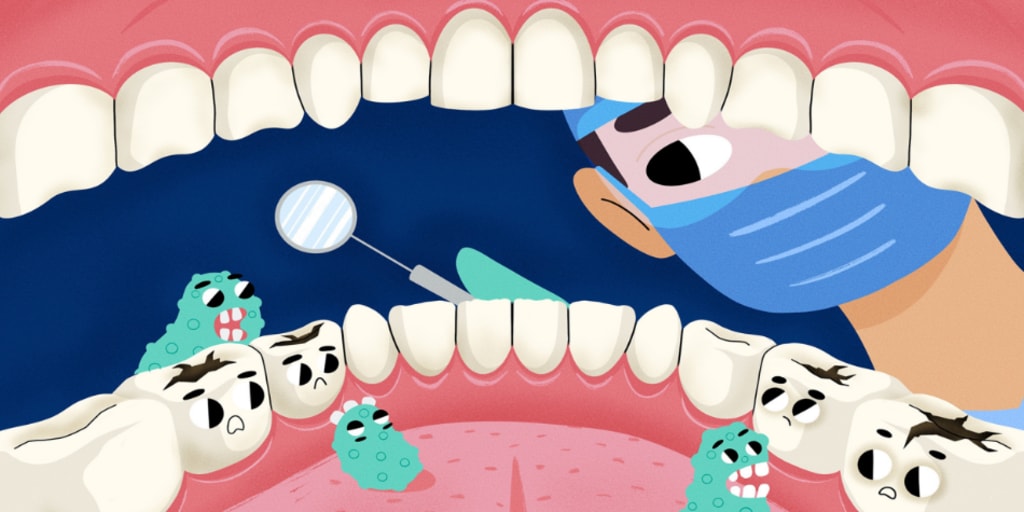
Tooth decay, or dental caries, is one of the most common dental health problems in children. If not treated properly, this condition can cause pain, infection, and even disrupt eating habits and growth. Therefore, early prevention is very important to maintain children’s dental health and overall well-being.
There are several common causes of tooth decay in children. One of the primary causes is poor dental hygiene. When children do not brush their teeth properly or frequently enough, food debris remains in the mouth and leads to the development of plaque, which can damage tooth enamel and cause cavities. Another major factor is the excessive consumption of sugary foods and drinks. Sugar that sticks to the teeth becomes food for bacteria in the mouth, which then produce acids that erode the tooth surface and lead to decay. In addition, a lack of fluoride intake can contribute to tooth decay. Fluoride is a mineral that helps strengthen tooth enamel and can be obtained through fluoride toothpaste, drinking water that contains fluoride, as well as certain foods like tea, fish, and some types of vegetables. Lastly, infrequent visits to the dentist also play a role in the development of cavities. Regular dental check-ups, usually recommended every six months, can help detect early signs of tooth decay and prevent more serious dental issues.
Preventing tooth decay in children requires consistent and proactive habits. One of the most important steps is to teach children to brush their teeth regularly—twice a day, in the morning after breakfast and at night before going to bed. Using fluoride toothpaste can help strengthen their tooth enamel and protect against cavities. In addition to brushing, it is important to introduce the use of dental floss. Flossing helps clean between teeth where toothbrushes cannot reach, preventing the buildup of plaque and food debris.
Another essential prevention strategy is to reduce the consumption of sugary foods and drinks. Parents should limit sweets, chocolates, cakes, and sugary beverages, and instead offer healthier snacks such as fruits and vegetables. Providing children with foods that are beneficial to dental health, like milk, cheese, and yogurt—which are rich in calcium—can also support strong teeth. Crunchy vegetables like carrots and apples are not only healthy, but they can also help clean the teeth naturally through chewing.
Routine visits to the dentist are highly recommended. Dental check-up every six months allows for early detection of any issues and also provides a chance for preventive treatments such as professional cleaning, fluoride application, or the application of fissure sealants to protect the molars from decay. Teaching good habits from an early age is also vital. Children should be encouraged to drink water after meals to help wash away food particles, and it’s important to avoid the habit of letting children fall asleep while drinking formula or breast milk without cleaning their teeth afterward.
While these preventive actions are crucial, education plays a key role in promoting long-term dental health. Teaching children and their parents about proper oral care creates awareness and encourages consistent, healthy habits. Schools are an ideal place to deliver oral health education. Fun and interactive learning methods such as videos, songs, storytelling, dental games, and role-playing can make dental care lessons more engaging and easier for children to understand. Integrating dental health education into the school curriculum helps instill these habits from a young age.
Parents also play a critical role. Community health programs and parenting workshops can educate caregivers on topics such as the role of fluoride, proper brushing techniques, the risks of sugar, and the importance of early dental visits. When parents understand that baby teeth are essential for chewing, speaking, and guiding permanent teeth into place, they are more likely to be proactive in their child’s oral care. It is also recommended that parents assist their children with brushing until they are at least seven years old, to ensure it is done correctly and thoroughly.
Healthcare professionals—including pediatricians, nurses, and dentists should take every opportunity during check-ups to educate families. Demonstrating proper brushing and flossing techniques, explaining how cavities develop, and giving dietary advice are all ways to reinforce good dental practices. Dental clinics can also offer brochures or educational videos in the waiting room to help parents and children learn more about oral hygiene.
Public health campaigns can also help spread awareness on a larger scale. Government programs and non-profit organizations can use television, radio, social media, and community events to educate families about the importance of oral health. Events like National Children’s Dental Health Month or World Oral Health Day are great opportunities to promote healthy habits.
Furthermore, prenatal education is an important yet often overlooked component of prevention. Expectant mothers should be informed about how their own oral health affects their child’s future dental health. Mothers can learn to clean their baby’s gums with a soft cloth, avoid letting their babies sleep with bottles containing sugary liquids, and schedule the baby’s first dental visit by their first birthday.
Children’s dental health can be effectively protected through a combination of consistent hygiene habits, a healthy diet, regular dental visits, and comprehensive education. When schools, parents, healthcare professionals, and public institutions work together to promote dental health awareness, the risk of tooth decay in children can be significantly reduced. Education empowers families to take charge of their oral health, leading to brighter smiles and healthier lives for children everywhere.
About the Creator
Enjoyed the story? Support the Creator.
Subscribe for free to receive all their stories in your feed.
Comments
There are no comments for this story
Be the first to respond and start the conversation.