

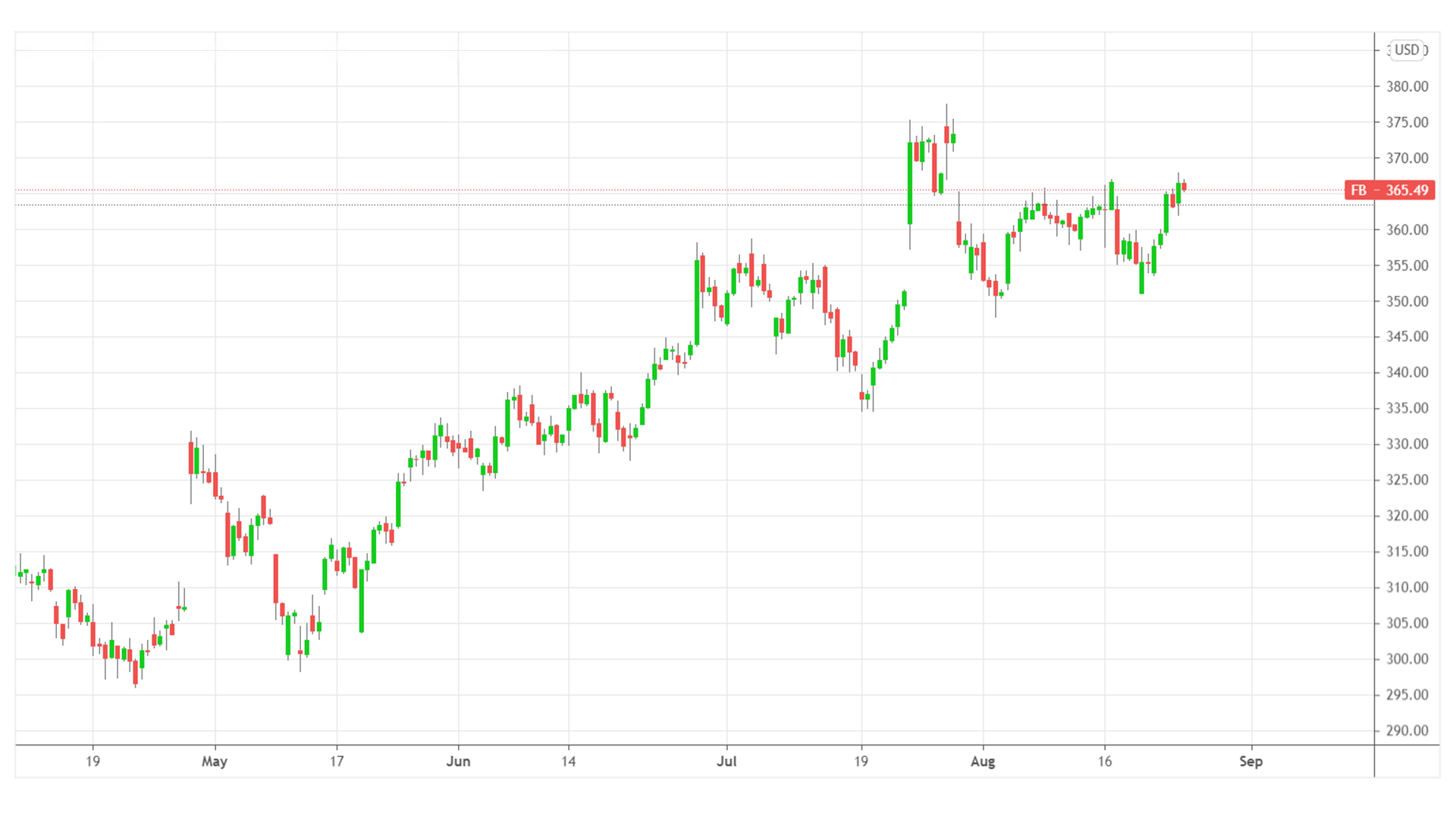
Investing in the stock market involves risks, and it's essential to conduct thorough research and consider various factors before making investment decisions.
To make informed investment choices, you may want to consider the following steps:
1.Research: Study different industries, companies, and market trends. Look for information on financial statements, growth prospects, competitive advantages, and potential risks.
2.Diversification: It's generally recommended to diversify your investment portfolio by spreading your investments across different stocks, sectors, or even asset classes. This helps reduce risk and exposure to any single investment.
3.Long-term perspective: Consider investing with a long-term perspective, as stock market investments tend to perform better over extended periods. Short-term market fluctuations can be unpredictable.
4.Consult professionals: If you're uncertain or inexperienced, consider seeking advice from a licensed financial advisor or investment professional who can provide personalized guidance based on your financial goals, risk tolerance, and time horizon.
Remember, the stock market is influenced by various factors like economic conditions, company performance, geopolitical events, and investor sentiment. It's important to stay updated, evaluate your risk tolerance, and make investment decisions based on thorough analysis and careful consideration of your financial situation.
The stock market is influenced by various factors, including economic conditions, company performance, industry trends, and geopolitical events, making it highly unpredictable.
When considering investments, it's important to conduct thorough research, evaluate your risk tolerance, and consult with a financial advisor or professional who can provide personalized advice based on your individual circumstances and goals. They can help you analyze your investment options, diversify your portfolio, and make informed decisions.
Remember that investing in stocks carries inherent risks, and it's crucial to make decisions based on your own research and judgment rather than relying solely on recommendations.
Remeber that :
-The stock market can either go a high as it could or could crumble in the matter
-You of course need money for that and here is how you save your money :
Saving money is a wise financial habit that can provide security and help you achieve your financial goals. Here are some tips to help you save up money:
Set Clear Goals: Define why you want to save money. Whether it's for an emergency fund, a vacation, or a down payment on a house, having a specific goal will motivate you to save.
Create a Budget: Make a budget that outlines your income and expenses. Track your spending and identify areas where you can cut back. Allocate a portion of your income towards savings every month.
Reduce Unnecessary Expenses: Evaluate your expenses and find ways to cut back. Consider reducing dining out, entertainment, subscription services, or impulse purchases. Look for cheaper alternatives and prioritize your needs over wants.
Automate Savings: Set up an automatic transfer from your checking account to a savings account each month. This way, you'll save without having to think about it, and it reduces the temptation to spend the money.
Minimize Debt: High-interest debt can eat up your savings. Focus on paying off debts, starting with those with the highest interest rates. Once you pay off a debt, allocate the money towards savings.
Shop Smart: Compare prices, use coupons, and look for discounts before making a purchase. Consider buying generic brands instead of expensive name brands. Avoid impulsive shopping and wait before making major purchases to ensure you genuinely need them.
Increase Income: Look for ways to increase your income. You could negotiate a raise, take on a side gig or part-time job, freelance, or monetize a skill or hobby. The additional income can be directly allocated to your savings.
Save on Utilities: Be mindful of your energy consumption. Turn off lights when not in use, unplug electronics, and adjust your thermostat to save on heating and cooling costs. Conserving water can also help reduce utility bills.
Avoid Bank Fees: Be aware of any fees associated with your bank accounts. Choose a bank that offers low or no fees and avoid overdraft charges. Read the terms and conditions carefully and stay on top of your account balances.
Stay Motivated: Saving money requires discipline and persistence. Celebrate your milestones along the way and remind yourself of the financial goals you're working towards. Find support from friends or join online communities that share money-saving tips.
Remember, saving money is a long-term process. Start small, be consistent, and gradually increase your savings as your income grows
Written by ''Михајло Ђорић''
About the Creator
Михајло Ђорић
Hello my name is Mihajlo and i am making articles of mixed content .
Enjoyed the story? Support the Creator.
Subscribe for free to receive all their stories in your feed.
Comments
There are no comments for this story
Be the first to respond and start the conversation.