
Stainless Steel Bottles vs. Plastic: Which One is Better for You?
Health and Safety: Which Bottle Is Safer?

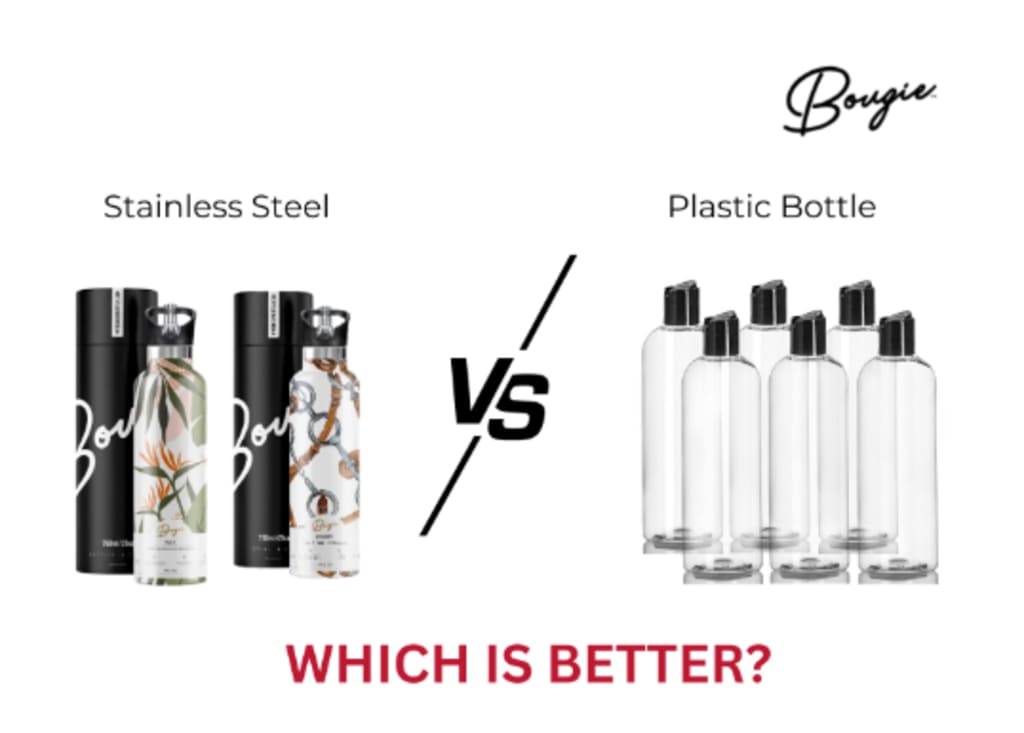
In today's world, it is essential to consciously select products to use every day. This includes water bottle type, which seems trivial but can have huge impacts on health and the environment. The debate about using a stainless steel bottle or a plastic bottle goes on endlessly because each side has merits and setbacks. The guide below will contrast some of the most important differences between both types to determine which one will be good enough for you if you're switching or just wanting to know more.
Health and Safety: Which Bottle Is Safer?
Plastic Bottles: The Hidden Dangers
For cost and convenience, plastic bottles have been the favored choice for many years, but they pose severe health risks. Many plastic bottles, which are polycarbonate containers, contain BPA, or bisphenol A, a chemical believed to be harmful to hormones and to cause infertility and even some cancers. Even BPA-free polycarbonate plastic is not completely safe for human health since harmful chemicals can leach from the bottle when kept in the sun for a long time or as time rolls by during regular usage. (Scitech Daily, 2024)
Another concern regarding plastic bottles is contamination with bacteria. Scratches and dents enable bacteria to hide within crevices that are extremely difficult to clean, which become hazardous when left unwashed afterward. Plastic bottles themselves also crumble at times along with increasing tend towards leaching of chemicals.
Stainless Steel Bottles: A Healthier Choice
My Bougie Bottle stainless steel bottles are manufactured with food-grade stainless steel, so they are non-toxic, BPA-free, and do not leach harmful chemicals. Unlike plastic, steel is more hygienic to serve hot or very cold drinks because it does not break down easily over time.
Stainless steel is naturally antibacterial, reducing the accumulation of bacteria. Moreover, it is easier to clean, sanitize, and maintain high levels of freshness and purity for your drinking water.
Environmental Impact: Which One is More Sustainable?
Plastic Bottles: A Major Contributor to Pollution
The use and disposal of plastic bottles have quite a big impact on the environment. In fact, more than 60 million plastic bottles get discarded every day across the US. A large proportion of this ends up in landfills and eventually makes its way into oceans. It takes these bottles a couple of centuries to decompose, while they are decomposing, they release microplastics in the environment and harm marine beings.
Yet, they are recyclable. Of course, less than thirty percent of them are recycled: contamination and improper disposal add heaps of fossil fuels, thus contributing to carbon footprints and having a certain effect on climate change.
Stainless Steel Bottles: A Greener Alternative
A stainless steel bottle is a durable and reusable container that is fully recyclable. Stainless steel bottles provide a significantly reduced environmental footprint compared to plastic bottles. The energy that goes into making stainless steel bottles is mitigated by the longevity of the product and its various uses, which only serve to further justify that environmental impact.
With proper care, an average stainless steel bottle could last for years to decades in the active hands of its owner, hence considerably reducing the number of disposable plastic water bottles. Many brands such as My Bougie Bottle have an emphasis on green manufacturing processes and sustainable materials and are therefore a great choice for any environmentally conscious consumer.
Durability and Longevity: Which Bottle Lasts Longer?
Plastic Bottles: Short Lifespan and Easy Wear
Indeed, plastic bottles are temporary products, while reusable plastic bottles have a different expiry date. Real exposure to air, sunlight, or heat weakens and alters the plastic so that it cracks, fades, or smells bad over time. As these bottles have to be repurchased because they don't last in time, it simply adds extra costs to individuals while polluting the environment.
Stainless Steel Bottles: Built to Last
Bottles made with stainless steel are extremely tough and durable. The bottles withstand drops, temperature changes, and everyday use without compromising any quality. A good one, such as My Bougie Bottle, should last for years, giving the consumer value for money and being an eco-friendly choice. The other plus is double-walled and vacuum-insulated to keep the drinks hot or cold for hours-Plastic bottles certainly don't do it any better.
Temperature Retention: Which Keeps Your Drink Fresh Longer?
Plastic Bottles: Limited Insulation
Plastic does not insulate well, which means that the temperature of the contents will change very quickly. If you fancy ice-cold water and piping-hot tea, a plastic bottle will hold neither temperature for very long.
Stainless Steel Bottles: Superior Insulation
Stainless steel has remarkable temperature-retaining properties. My Bougie Bottle is made with the finest grade of stainless steel, utilizing double-walled vacuum insulation to keep beverages cold for 24 hours and hot for 12. This makes the bottles an excellent price-wise choice for anyone wanting their drinks fresh the whole day.
Cost Comparison: Which One is More Economical in the Long Run?
Plastic Bottles: Cheap but Costly Over Time
Plastic bottles appear inexpensive at first glance; some disposable options, after all, cost only a few cents. In reality, however, the frequent replacement of plastic bottles tends to drive up costs. If you regularly buy bottled water or regularly replace reusable plastic bottles throughout the year, the costs can easily add to hundreds.
Stainless Steel Bottles: A One-Time Investment
However, an initial investment may be high for stainless steel bottles, but these prove beneficial economically as they last longer. Instead of constantly having to buy disposable bottles or keep replacing worn-out plastic ones, the investment in a good stainless steel bottle only is meant for years rather done repeatedly.
Conclusion
It's obvious that stainless bottles are better for one's health and durable, good for the environment, and long-term savings, compared to plastic bottles. They are safer compared to their plastic counterparts, being BPA-free, non-toxic, and resistant to bacterial growth. This makes for a healthier and safer hydration experience.
A stainless bottle is a more eco-friendly option as they reduce the use of plastic and carbon footprints. For someone looking for eco-friendliness, they have less impact on the planet. Their insulation properties and life are therefore practical investments that pay off.
So, are you ready? For chic and sustainable selections of stainless steel bottles, My Bougie Bottle spell styles. You deserve a daily bottle that fits your lifestyle without compromising health and environmental safety-nature.
Questions? Contact page for more inquiries about My Bougie Bottle. Hydrate, get sustainable and switch!
Frequently Asked Questions
Is drinking from plastic or stainless steel any better?
Stainless steel water bottles are definitely a better option from a health and sustainability point of view. They are usually made with 18/8 grade stainless steel, which is non-toxic, meaning there are no leaching of chemicals into the drinking water as plastic may do.
What is the healthiest material to use for a water bottle?
Glass is the safest water bottle material. It does not leach, it will not taste like water, and can be recycled indefinitely. Concerns over possible breakages and injuries resulting could be an issue, but this remains the healthiest choice for your reusable water bottle and drink utensils.
How long can you safely store water in a stainless steel bottle?
Stainless steel bottles can generally keep water safe for a number of days or even weeks, yet it is recommended for daily use to empty and clean these bottles at the day's end to avert bacterial growth and for maintaining freshness.
Which bottled water doesn't contain microplastics?
Although no bottled water brand can say that it is completely free from microplastics, there are some - Evian, Fiji, Voss, and Penta Water - that are committed to sustainability and testing to reduce contamination as much as possible.
What water bottles are considered most sanitizable?
These materials can be classified as the hygienic group: stainless steel, silicone, titanium and glass. As per the reviews that I've read, all manufacturers seem to run consistent safety tests, so you can feel good and confident using any of them.
About the Creator
Genesa Pable
Voice That Connects, Words That Resonate
I'm Genesa Mae—a voice that connects and a tone that resonates. From heartfelt to high-energy, I bring words to life with clarity, warmth, and impact. Let’s make your message unforgettable.
Enjoyed the story? Support the Creator.
Subscribe for free to receive all their stories in your feed.
Comments
There are no comments for this story
Be the first to respond and start the conversation.