

WHAT IS ORAL CARE?
It neutralizes the main source of strong mouth Odors by killing bad bacteria and tooth decay and comes in Regular and Cool variants. Good oral care includes daily brushing and flossing. Without good oral hygiene, germs can reach levels that might lead to infections, such as tooth decay and gum disease.
IMPORTANCE OF ORAL HEALTH!
Oral health is an integral part of general health and no individual can be considered fully healthy while there is active disease in the mouth as “Health is a state of complete physical, mental and social wellbeing and not merely an absence of disease or infirmity”.
The dental problems are initially painless but become chronic and destructive later, showing adverse effect on the vital organs of the body. It is now therefore become essential to make people aware of preventive and curative aspects of oral health so that quality of life of the people can be improved.
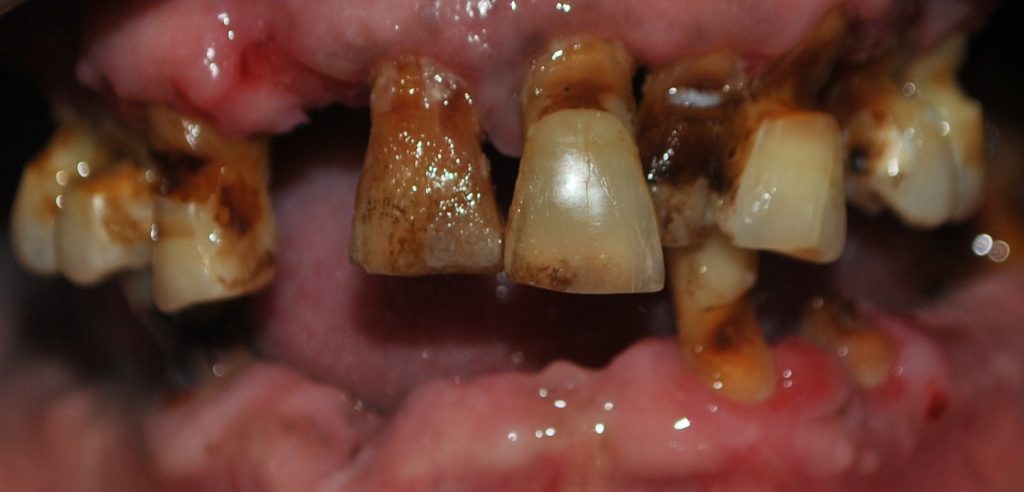
ROLE OF A DENITIST IN OUR ORAL CARE ROUTINE.
Dentists in India play a vital role in maintaining the nation’s oral and overall health. With a growing population and increasing awareness about dental hygiene, the importance of dental professionals has significantly risen over the years. Indian dentists not only treat dental problems like cavities, gum disease, and tooth loss but also educate patients about preventive care, which is essential in a country where oral diseases are common.
India is home to many reputable dental colleges, such as the All-India Institute of Medical Sciences (AIIMS) and Manipal College of Dental Sciences, which produce skilled dentists every year. These professionals work in government hospitals, private clinics, and rural outreach programs to serve both urban and rural populations. However, access to dental care in rural areas remains a challenge, as most dentists prefer to work in cities due to better infrastructure and income opportunities.
WHAT IS FLUOROSIS?
Fluorosis can happen if you ingest too much fluoride over a long period of time. Prevalence of fluorosis was found to be 12.1%, 11.8%, 9.3% 5.2% in the age groups of 12,15, 35–44 and 65–74 respectively. Moderate and severe forms of fluorosis, which may be associated with skeletal fluorosis, appeared to be infrequent and had a very low prevalence in the country. Three states, viz. Haryana, UP and Andhra Pradesh, in that order, had a prevalence of ‘severe’ fluorosis in children aged 12 years. There were no marked gender related differentials, but fluorosis was marginally more in rural areas than in urban areas.
Gurgaon district covers 1215 Km2 area of Haryana state divided into four zones (East, West, North and South) with a population of 15,14,085 according to 2011 census, having urban population around 68.82% and 31.18% rural population (2:1) according to 2011 census. Evidence shows that there exist disparities in oral health status of urban and rural populations. Majority of the epidemiological studies in India that have been published are focused on school children and studies done on people living in urban and rural areas covering all indexed age group appear to be fewer and limited. Data for oral health status and treatment needs of rural population of adjacent regions like Ambala is available but information regarding people’s knowledge, awareness and attitudes towards oral health and their oral health practices and treatment seeking measures in the region of Gurgaon is still lacking.
Also, the areas close to Gurgaon such as Jhajjar are well known fluoride belts with fluorosis reported to be present in 50% population. Thus, a survey was conducted to assess the oral health status and treatment needs, among urban and rural population of Gurgaon Block of Gurgaon District, Haryana, India.
In recent years, the field of dentistry in Haryana, has embraced advancements in technology. As we are in the era of digitalization, we are just one click away from finding the “Best dentist in Gurgaon” or any city you belong to. Despite these improvements, there is still a need for increased public awareness and affordable dental services to ensure that people from all walks of life can receive proper oral care.
WHAT DO WE CONCLUDE?
Dentists in India are crucial healthcare providers who not only treat dental problems but also work toward creating a healthier society. With continuous efforts in education, infrastructure, and technology, the future of dentistry in India looks promising.
About the Creator
Enjoyed the story? Support the Creator.
Subscribe for free to receive all their stories in your feed.
Comments
There are no comments for this story
Be the first to respond and start the conversation.