
Singles or Albums: How to Plan Your Music Release Calendar for Optimal Growth
Singles or Albums
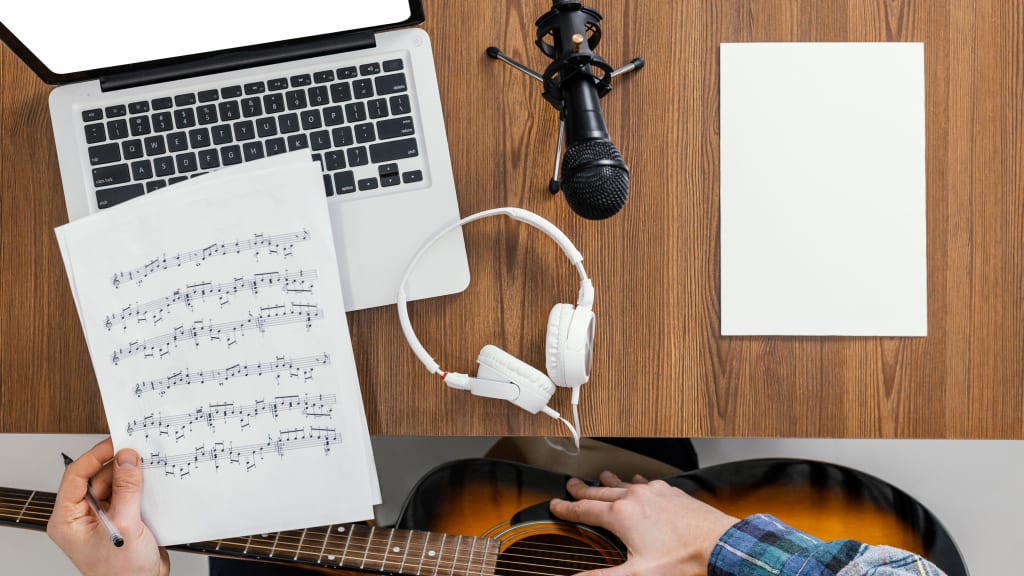
In today’s dynamic music industry, deciding between releasing singles or albums isn’t just about personal preference. It’s a strategic decision that can affect an artist’s growth, visibility, and fan engagement. The choice between singles vs. albums also influences how artists should plan their release calendar. With singles, you can maintain a steady stream of content that keeps fans engaged and anticipation high. Albums, however, allow for a more immersive experience that showcases the artist's full range and storytelling ability. Crafting the right release calendar by understanding the pros and cons of releasing singles vs. albums is essential for sustainable growth in a competitive landscape.
For independent artists, this decision-making process becomes even more critical, as resources and time are limited. To maximize growth and exposure, artists must carefully plan each release around seasonal trends, audience behavior, and marketing potential. This guide explores the benefits of each release strategy, provides a blueprint for creating a balanced calendar, and shares tips for artists looking to optimize their approach to releasing singles and albums.
Understanding the Power of Singles for Consistency
Singles have become the backbone of many modern music careers. They allow for a steady flow of releases, which helps maintain audience engagement and keeps the artist relevant in a fast-paced industry. Releasing singles can be strategically spaced out every month or every few weeks, allowing you to keep fans engaged without overwhelming them.
Benefits of Releasing Singles:
Frequent Engagement: Regular releases keep fans coming back for more.
Flexibility in Marketing: Singles are easier to promote, allowing artists to adjust marketing strategies quickly based on fan response.
Easier Production Timeline: Compared to albums, singles require a shorter production time, meaning you can release music more frequently.
Planning a release calendar around singles enables you to experiment with different sounds, themes, or genres and respond to what resonates best with your audience. By scheduling single releases for specific seasons, holidays, or event-driven times, artists can create hype and stay relevant in the eyes of fans.
Crafting a Strategic Album Release
Albums require a longer lead time and greater investment but offer a more comprehensive representation of an artist’s abilities. Releasing an album demands careful planning, as each song typically forms part of a larger story or theme, creating a cohesive experience for the listener. For established artists, albums can be a milestone that marks their growth and evolution, and for new artists, it can be an opportunity to showcase depth and versatility.
Benefits of Releasing Albums:
Artistic Depth: Albums provide a platform for storytelling and showcase an artist’s full range.
Higher Impact on Fans: Albums can resonate on a deeper level, fostering stronger connections with listeners.
Enhanced Media Coverage: Albums can attract more attention from media outlets, playlists, and influencers than singles, as they provide more material for reviews and promotional campaigns.
While planning an album release, it’s beneficial to schedule several months for promotion before the release date. Artists often tease an album with singles, snippets, or behind-the-scenes content to build anticipation. Including album-themed merchandise, concert dates, or virtual release events can also increase fan engagement and ensure a memorable launch.
Balancing Singles and Albums in Your Release Calendar
To maximize engagement and sustain growth, many artists balance single releases with periodic album launches. This approach allows for a regular presence in the industry while also giving fans something big to look forward to. An artist might release three or four singles leading up to an album launch, with each single serving as a “taste” of what’s to come in the album.
Sample Release Calendar for a Balanced Approach:
Quarter 1: Single release in January, additional single in March.
Quarter 2: Promote upcoming album, release a teaser single.
Quarter 3: Album launch in July with supporting events.
Quarter 4: Release a follow-up single or remixes to keep fans engaged.
By alternating singles and album releases, artists can achieve steady growth and engagement. This structure helps build a fanbase, and albums can serve as milestones, capturing major shifts in sound, message, or growth.
Using Analytics to Optimize Your Release Schedule
Monitoring analytics from streaming platforms, social media, and fan feedback is crucial in deciding when and how often to release music. Tools like Spotify for Artists, YouTube Analytics, and Google Trends can reveal when your fans are most active, which songs they resonate with, and the demographics of your core audience.
Key Metrics to Consider:
Listener Retention: See if fans are streaming your songs repeatedly, indicating strong engagement.
Fan Locations: Consider release timings based on when your core fans are most active.
Song Popularity: If certain singles perform better than others, consider releasing more tracks in a similar style.
With this data, you can refine your release strategy for singles vs. albums, aligning with the times when your audience is most receptive.
Integrating Marketing with Your Release Calendar
No release calendar is complete without a solid marketing plan. Whether you’re releasing singles or albums, engaging fans through strategic marketing helps amplify your impact. For singles, consider short, high-energy campaigns with engaging social media content, influencer partnerships, and quick turnaround promotions. For albums, prepare longer, more detailed campaigns, leveraging press releases, interviews, and themed content.
Marketing Tips:
For Singles: Tease singles on social media, collaborate with influencers, create TikTok challenges, or partner with playlist curators.
For Albums: Offer pre-orders, tease track lists, share behind-the-scenes videos, and organize an album release event.
By aligning marketing efforts with your release format, you’ll ensure maximum visibility and maintain excitement for both singles and albums throughout the year.
Conclusion:
Creating an effective release calendar requires a balance between the flexibility of singles and the impact of albums. The strategy of releasing singles vs. albums is not a one-size-fits-all solution. Instead, it should be customized to meet the artist’s goals, resources, and audience preferences. Singles help to maintain consistent engagement, allowing for a steady release of content and keeping fans continuously interested. Albums, on the other hand, provide a grander platform that lets artists delve into storytelling and thematic exploration, building a lasting impression with fans.
In the end, both singles and albums can play crucial roles in an artist’s growth strategy. The key lies in planning a release calendar that integrates both formats at strategic points throughout the year. By aligning release dates with marketing initiatives, using analytics to gauge fan engagement, and understanding the strengths of each release type, artists can achieve sustainable growth and make a lasting impact in the industry. Whether you lean toward releasing singles, albums, or a blend of both, remember to stay flexible and adapt to the ever-changing music landscape.
About the Creator
Enjoyed the story? Support the Creator.
Subscribe for free to receive all their stories in your feed.
Comments
There are no comments for this story
Be the first to respond and start the conversation.