
Shape Up: Unveiling the Science Behind Successful Fitness App Development
Discover the science behind creating successful fitness apps with our comprehensive guide on Shape Up Unveiling the Science Behind Successful Fitness App Development. Learn how to leverage technology, engage users, and provide effective fitness solutions. Read on to shape your fitness app development strategy!

Introduction
In a world driven by technology, Given the rising interest in exercise and health, the need for fitness apps is soaring. The success of these apps isn't merely coincidental; it's rooted in a deep understanding of user behavior, psychology, and practical application development. This guide dives into the intricacies of crafting successful fitness apps, exploring the synergy of science and technology that leads to user engagement, motivation, and long-term results.
Shape Up: Unveiling the Science Behind Successful Fitness App Development
Developing a fitness app is a multidisciplinary endeavor that involves understanding user needs, behavioral psychology, exercise physiology, and cutting-edge technology. This fusion forms the backbone of successful fitness app development, allowing users to achieve their health goals while enjoying a seamless and motivating experience.
The User-Centric Approach
A successful fitness app begins with a deep understanding of user needs and preferences. By conducting thorough market research and user surveys, app developers can pinpoint users' pain points in their fitness journey. This insight drives the creation of features that cater to these needs, ensuring the app's relevance and utility.
Leveraging Behavioral Psychology
Incorporating principles of behavioral psychology can significantly enhance the effectiveness of fitness apps. Implementing gamification elements, such as achievement badges and rewards, taps into users' intrinsic motivation and makes their fitness journey enjoyable and engaging.
Designing Intuitive User Interfaces
Designing user interfaces and user experiences are crucial factors in determining how well fitness applications perform. The user interface should be straightforward, simple to use, and visually appealing. Clear and concise information presentation and interactive elements encourage users to stay engaged and return to the app regularly.
Personalization for Individual Goals
Every fitness journey is unique. Successful fitness apps utilize machine learning algorithms to analyze user data and provide personalized workout plans and dietary recommendations tailored to individual goals, whether it's weight loss, muscle gain, or overall well-being.
Real-Time Progress Tracking
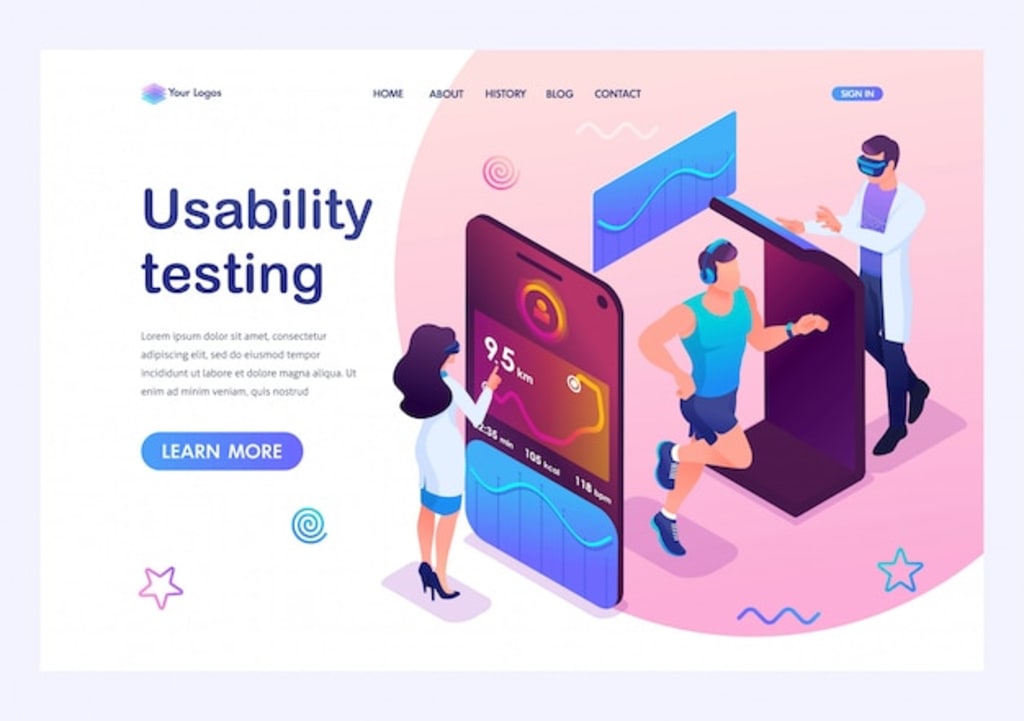
The capacity to monitor development in real time is a powerful motivator. Integrating wearables and sensors allows users to monitor their heart rate, steps taken, calories burned, and more. Users can utilize this information to keep accountable while providing insights into their overall fitness journey.
Social Community and Support
Humans are social creatures, and incorporating a social community within the app fosters a sense of belonging and accountability. Users can connect, share achievements, and even engage in friendly competitions. This communal aspect encourages users to stick with their fitness goals.
Incorporating LSI Keywords
In fitness app development, utilizing Latent Semantic Indexing (LSI), keywords helps improve app discoverability. Keywords like "workout routines," "nutrition tracking," and "fitness goals" should naturally weave into app descriptions, blog posts, and user interactions.
Push Notifications for Engagement
Push notifications serve as gentle reminders and motivational boosts. App developers can strategically send reminders for workouts, provide tips, and celebrate milestones, all of which contribute to sustained user engagement.
Addressing User Pain Points
To genuinely differentiate your software, it's essential to identify and address common user pain points in the fitness journey. Whether it's a lack of time, motivation, or knowledge, crafting solutions for these challenges can set the app apart from competitors.
Seamless Integration with Wearables
Wearable technology has revolutionized fitness tracking. Ensuring compatibility and integration with popular wearables like fitness trackers and smartwatches enhances user experience and expands the app's capabilities.
Monetization Strategies
While creating a successful fitness app is the primary goal, monetization is a crucial consideration. Offering both free and premium tiers, with advanced features in the latter, allows users to experience the app's value before committing to a subscription.
Keeping Abreast of Industry Trends
The fitness and technology landscapes are ever-evolving. Staying updated with the latest industry trends, such as new exercise modalities, nutritional research, and app development technologies, ensures that the app remains relevant and competitive.
FAQs
How do I ensure user data privacy?
User data privacy is paramount. Implement robust security measures, encryption protocols, and transparent privacy policies. Regularly update users about data usage and obtain their consent.
Can I integrate third-party workout equipment?
Absolutely. Many fitness apps integrate with various workout equipment, enhancing the user experience. Ensure seamless connectivity and compatibility for a smooth workout session.
How do I encourage consistent app usage?
Consistency is critical to fitness success. Send personalized reminders, set achievable goals, and offer rewards for consistent usage. Building a habit-forming app experience keeps users engaged.
What's the role of AI in fitness app development?
An essential function of artificial intelligence (AI) ranges from personalizing workout plans to analyzing user data for insights. AI-driven recommendations enhance user satisfaction and results.
How do social features benefit users?
Social features foster a sense of community, accountability, and motivation. Users can share achievements, join challenges, and connect with like-minded individuals, enhancing their fitness journey.
Can a fitness app replace in-person trainers?
While a fitness app can provide guidance and structure, in-person trainers offer personalized coaching and real-time adjustments. The two can complement each other for optimal results.
Conclusion
Creating a successful fitness app is a harmonious blend of science, technology, and user-centric design. By delving into user needs, leveraging behavioral psychology, offering personalization, and embracing industry trends, developers can craft apps that empower users to achieve their fitness goals. Remember, the journey to success begins by uncovering the science behind shaping up a winning fitness app!
About the Creator
Artoon Solutions
Artoon Solutions Pvt. Ltd. is a leading IT outsourcing company in India and the USA, we create high-end user-oriented digital experiences with our prolific insights, perfect planning, innovative ideas, and technological expertise.
Enjoyed the story? Support the Creator.
Subscribe for free to receive all their stories in your feed.
Comments
There are no comments for this story
Be the first to respond and start the conversation.