
SEO Techniques to Boost Organic Traffic and Ranking
Search Engine Optimization (SEO) is the process of optimizing a website or web page to improve its ranking
SEO Techniques to Boost Organic Traffic and Ranking
Search Engine Optimization (SEO) is the process of optimizing a website or web page to improve its ranking and visibility in search engine results pages (SERPs). The goal of SEO is to increase the quality and quantity of organic traffic to a website by improving its relevance and authority for specific search queries.
Why seo is important for website?
SEO (Search Engine Optimization) is important for websites for several reasons:
Increase visibility: SEO helps to increase the visibility of your website in search engine results pages (SERPs). This means that when people search for keywords related to your business or website, they are more likely to find your website among the top results.
Generate traffic: With higher visibility, SEO can also help to generate more organic traffic to your website. This is important because organic traffic is typically more engaged and more likely to convert into customers or subscribers.
Improve user experience: SEO also involves optimizing the user experience on your website, such as improving site speed, making it mobile-friendly, and providing high-quality content that is relevant to your audience. This can lead to higher engagement and lower bounce rates, which can in turn improve your search engine rankings.
Build credibility and trust: When your website appears at the top of search engine results, it can help to build credibility and trust with your audience. People are more likely to trust and do business with companies that have a strong online presence and are easy to find on search engines.
Cost-effective: Compared to other forms of digital marketing, SEO can be a cost-effective way to attract new customers and generate leads. Once you have optimized your website for search engines, you can continue to reap the benefits without having to invest in ongoing advertising or paid search campaigns.
What is on-page SEO?
On-page SEO (Search Engine Optimization) refers to the optimization of individual web pages to improve their ranking in search engine results pages (SERPs) and attract more organic traffic. It involves optimizing various elements on a web page to make it more search engine-friendly and relevant to users' search queries. Here are some of the key on-page SEO factors:
Title Tag: The title tag is a brief, concise description of the content of a web page that appears at the top of the browser window. It should include the primary keyword(s) that you want to target and should be no longer than 60 characters.
Meta Description: The meta description is a brief summary of the content of a web page that appears beneath the title tag in search engine results. It should be no longer than 155 characters and should include the primary keyword(s) that you want to target.
Headings: Headings are used to organize the content of a web page and make it more readable for users. They also help search engines understand the structure and content of the page. The primary heading, or H1 tag, should include the primary keyword(s) and should be used only once.
Content: High-quality, relevant content is essential for on-page SEO. It should be written for users first and search engines second and should include the primary keyword(s) naturally throughout the content.
URL Structure: The URL structure should be clear and concise, including the primary keyword(s) if possible. It should also be easy for users to read and understand.
Internal Linking: Internal linking helps to establish a hierarchy of information and helps search engines understand the relationship between different pages on your website.
Image Optimization: Images should be optimized for search engines by including descriptive file names and alt tags that include the primary keyword(s).
By optimizing these on-page factors, you can improve the relevance and search engine friendliness of your web pages, which can help to attract more organic traffic and improve your search engine rankings.
What is off- page SEO?
Off-page SEO (Search Engine Optimization) refers to the optimization of external factors outside of your website that can impact your website's ranking in search engine results pages (SERPs). It involves strategies that are aimed at improving your website's authority, popularity, and relevance in the eyes of search engines. Here are some of the key off-page SEO factors:
Link Building: Building high-quality, relevant, and authoritative backlinks from other websites to your website is one of the most important off-page SEO factors. The more high-quality backlinks you have pointing to your website, the more likely search engines are to view your website as a trustworthy and authoritative source of information.
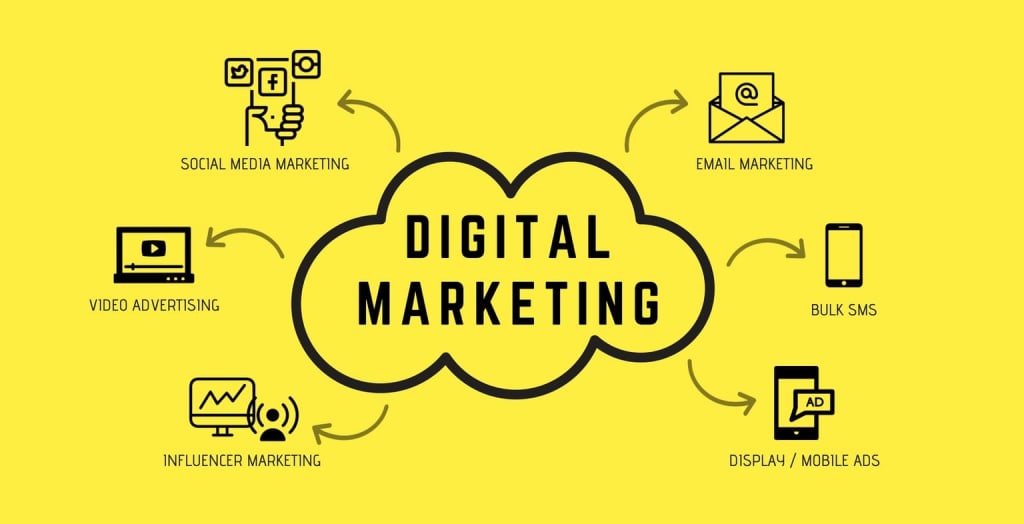
Social Media Marketing: Social media marketing involves using social media platforms like Facebook, Twitter, LinkedIn, and others to promote your website, content, and brand. This can help to increase your website's visibility and attract more organic traffic.
Online Reputation Management: Managing your online reputation involves monitoring and responding to reviews, comments, and mentions of your brand online. This can help to build trust and credibility with your audience, which can in turn improve your search engine rankings.
Local SEO: Local SEO involves optimizing your website and online presence for local search queries. This can include optimizing your Google My Business profile, building local citations and backlinks, and creating location-specific content.
Guest Blogging: Guest blogging involves writing and publishing blog posts on other websites in your industry or niche. This can help to build your brand, establish yourself as an authority in your field, and attract high-quality backlinks to your website.
By implementing these off-page SEO strategies, you can improve your website's authority, popularity, and relevance in the eyes of search engines, which can help to improve your search engine rankings and attract more organic traffic to your website.
What is Technical SEO?
Technical SEO (Search Engine Optimization) refers to the optimization of the technical aspects of a website to improve its visibility and ranking in search engine results pages (SERPs). Technical SEO is concerned with the underlying structure and coding of a website, rather than its content or external factors like backlinks.
Here are some of the key technical SEO factors:
Website Speed: The speed at which your website loads is a key technical SEO factor. Websites that load quickly are more likely to rank higher in search engine results and provide a better user experience.
Mobile-Friendliness: With the majority of internet traffic now coming from mobile devices, mobile-friendliness is a critical technical SEO factor. A mobile-friendly website is one that is optimized for viewing on mobile devices and provides a smooth and intuitive user experience.
Website Structure: The structure of your website, including the use of URLs, internal linking, and XML sitemaps, can impact your website's visibility and ranking in search engine results.
Website Security: Websites that are secure and use HTTPS encryption are more likely to rank higher in search engine results and provide a better user experience.
Technical Optimization: Technical optimization involves optimizing the HTML, CSS, and JavaScript code of your website to make it more search engine-friendly and improve its visibility in search engine results.
Schema Markup: Schema markup is a structured data format that allows search engines to better understand the content of your website and display more informative and relevant results in search engine results pages.
By optimizing these technical SEO factors, you can improve the visibility and ranking of your website in search engine results pages, which can help to attract more organic traffic and improve the user experience for your visitors.
I'm Nikke Tech, and I'm passionate about writing engaging content for businesses. I specialise in topics like technology, travel and digital marketing.
About the Creator
Enjoyed the story? Support the Creator.
Subscribe for free to receive all their stories in your feed.
Comments
There are no comments for this story
Be the first to respond and start the conversation.