
Self-sufficient Backyard
Being self-sufficient in today's world
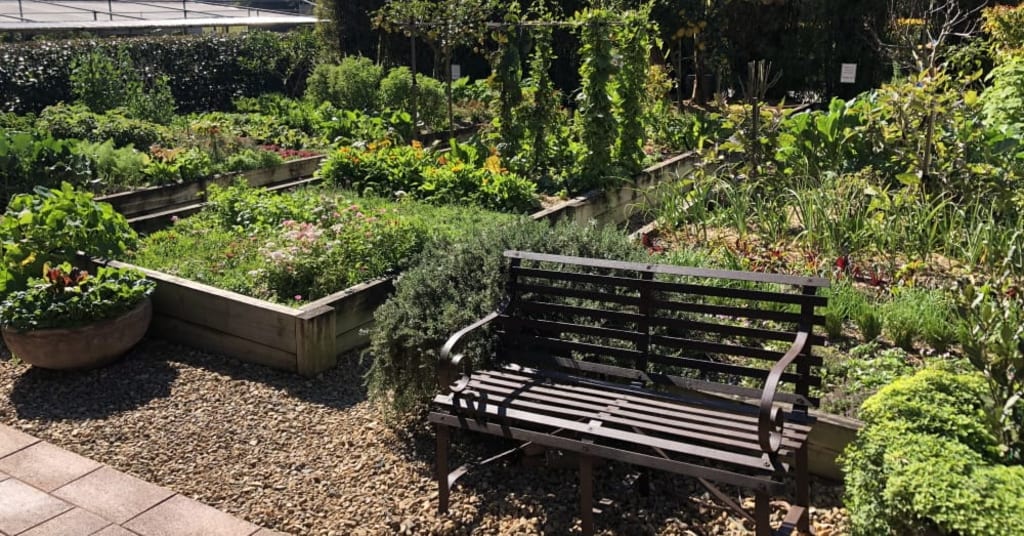
In today's world, self-sufficiency is becoming increasingly important, and one great way to achieve it is through a self-sufficient backyard. A self-sufficient backyard is a space that is designed to provide food, shelter, and other basic needs for you and your family without relying on external resources. In this blog post, we will explore some ideas for creating a self-sufficient backyard.
One of the first steps in creating a self-sufficient backyard is to focus on growing your own food. By growing your own fruits and vegetables, you can reduce your reliance on grocery stores and ensure that your food is fresh, healthy, and pesticide-free. You can start by creating a vegetable garden, using raised beds or containers if you have limited space. Consider planting a variety of vegetables that are well-suited to your climate and soil conditions. You can also add fruit trees and berry bushes to your backyard, providing a source of fresh fruit throughout the growing season.
In addition to growing your own food, you can also raise your own livestock. Chickens are a popular choice for backyard livestock, as they are relatively easy to care for and can provide eggs and meat. You can also consider raising rabbits, goats, or even bees, depending on your local regulations and available space.
To create a truly self-sufficient backyard, you should also focus on conserving resources. This means harvesting rainwater for irrigation and using composting to create nutrient-rich soil. You can install rain barrels or other rainwater collection systems to capture and store rainwater for later use. Composting is a great way to reduce waste and create healthy soil for your plants. You can use a compost bin or simply create a pile of organic matter, such as vegetable scraps, leaves, and grass clippings. Over time, the organic matter will break down into nutrient-rich compost that can be used to fertilize your garden.
Another key element of a self-sufficient backyard is providing shelter for yourself and your livestock. This can include a greenhouse to extend your growing season, a chicken coop or other animal shelter, and even a small cabin or tiny home. You can use sustainable building materials, such as reclaimed wood or straw bales, to construct these structures and reduce your environmental impact.
Finally, a self-sufficient backyard should also provide opportunities for recreation and relaxation. You can create a patio or outdoor living area for entertaining guests, and incorporate elements such as a fire pit or water feature to add ambiance. You can also create a space for outdoor exercise or meditation, such as a yoga platform or walking path.
In conclusion, creating a self-sufficient backyard is a great way to reduce your reliance on external resources and create a more sustainable lifestyle. By growing your own food, raising your own livestock, conserving resources, providing shelter, and incorporating elements of recreation and relaxation, you can create a space that meets your basic needs while also being environmentally responsible. Whether you have a small urban lot or a larger rural property, there are many ways to design a self-sufficient backyard that works for you and your family. With a little creativity and hard work, you can create a backyard that is both beautiful and functional, and provides a sense of satisfaction and pride in your ability to be self-sufficient.
FOR MORE DETAILS "CLICK HERE"
About the Creator
Enjoyed the story? Support the Creator.
Subscribe for free to receive all their stories in your feed.
Comments
There are no comments for this story
Be the first to respond and start the conversation.