
say NO! to drugs
Say No to Drugs: Empowering Lives through Awareness and Prevention
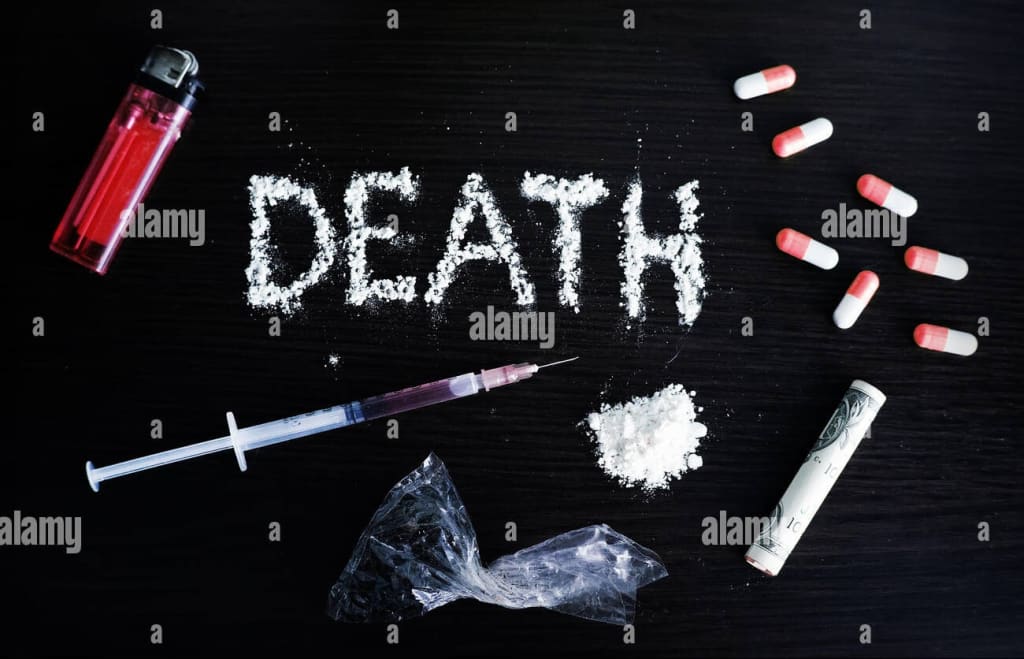
The impact of drug abuse on individuals, families, and communities is devastating. Drugs not only harm physical and mental health but also hinder personal growth, derail aspirations, and lead to a vicious cycle of addiction. It is imperative to cultivate a society that rejects drugs and promotes a healthy, drug-free lifestyle. By fostering awareness, education, and prevention strategies, we can empower individuals to say no to drugs and build a brighter, drug-free future.
Body:
1: Understanding the Dangers of Drugs
Drug abuse poses a significant threat to individuals of all ages and backgrounds. Substance abuse impairs judgment, alters behavior, and can lead to serious health issues. From illegal substances like cocaine and heroin to prescription medications, the misuse of drugs has far-reaching consequences. It affects not only the users themselves but also their families, relationships, and communities. Understanding the dangers of drugs is the first step in combating this pervasive problem.
2: The Impact on Physical and Mental Health
Drugs wreak havoc on the human body and mind. Substance abuse contributes to a wide range of physical health problems, including organ damage, cardiovascular issues, and compromised immune systems. Furthermore, drugs often exacerbate mental health conditions such as anxiety, depression, and psychosis. By saying no to drugs, individuals can protect their physical and mental well-being, leading to a higher quality of life and improved overall health.
3: Breaking the Cycle of Addiction
Drug addiction is a relentless cycle that traps individuals and hinders their personal growth. Breaking free from addiction requires immense strength, support, and professional assistance. By saying no to drugs from the start, individuals can prevent the destructive cycle of addiction from taking hold. Moreover, early intervention and access to addiction treatment services are vital in helping individuals break free from the grip of drugs and reclaim their lives.
4: Education and Prevention
Education and prevention programs play a pivotal role in combating drug abuse. Schools, community organizations, and healthcare providers must work collaboratively to educate individuals about the risks associated with drugs. By providing accurate information, teaching life skills, and promoting positive coping mechanisms, we can empower individuals to make informed choices and resist the temptation of drugs. Prevention strategies should also focus on addressing underlying factors such as peer pressure, stress, and mental health issues that may contribute to drug abuse.
5: Support and Rehabilitation
For individuals already struggling with drug addiction, it is crucial to provide support and access to rehabilitation services. Treatment programs that combine medical intervention, therapy, and counseling can help individuals recover and rebuild their lives. Society must foster an environment that eliminates the stigma associated with seeking help, encouraging those in need to reach out for assistance and offering a helping hand to those on the path to recovery.
Conclusion:
Drug abuse has far-reaching consequences that permeate through society. Saying no to drugs is not just a personal choice but a collective commitment to fostering a healthier and more vibrant community. By promoting awareness, education, prevention strategies, and support for rehabilitation, we can empower individuals to reject drugs and build a future where the destructive impact of substance abuse is minimized. Together, let us say no to drugs and create a world filled with hope, opportunity, and well-being.
About the Creator
Enjoyed the story? Support the Creator.
Subscribe for free to receive all their stories in your feed.
Comments
There are no comments for this story
Be the first to respond and start the conversation.