
Sambal Card: A Lifeline for Unorganized Workers in Madhya Pradesh
sambal card
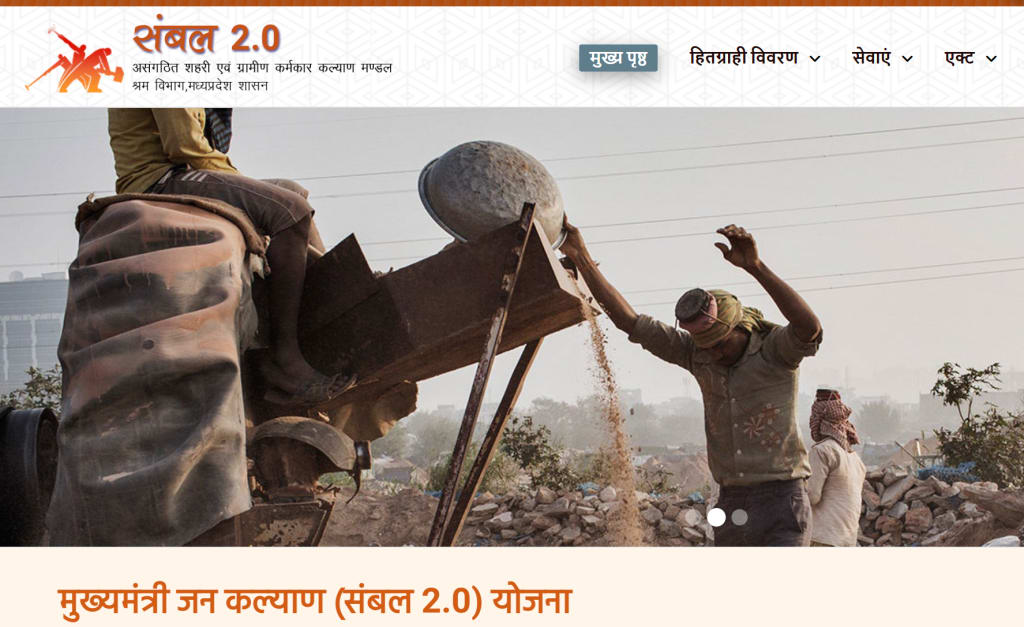
The Sambal Card is a vital initiative introduced by the Madhya Pradesh government under the Mukhyamantri Jan Kalyan (Sambal) Yojana. Launched in 2018 and later upgraded as Sambal 2.0 in 2022, this scheme aims to provide social security and financial assistance to unorganized workers and economically weaker sections of the state.
With millions of laborers in Madhya Pradesh working in informal sectors without access to benefits like provident funds or health insurance, the Sambal Card serves as a crucial tool to uplift their quality of life. This article explores what the Sambal Card is, its benefits, eligibility, and how to apply for it as of March 27, 2025.
What is the Sambal Card?
The Sambal Card is an official identification document issued to registered beneficiaries of the Mukhyamantri Jan Kalyan Yojana. It acts as a gateway for unorganized workers to access a range of government welfare benefits, including healthcare, education support, and financial aid during emergencies. Linked to an individual’s Samagra ID (a unique identification number for Madhya Pradesh residents), the card simplifies the process of delivering assistance directly to those who need it most.
The scheme reflects the state’s commitment to ensuring dignity and stability for its labor force, particularly those in rural and urban informal sectors.
Key Benefits of the Sambal Card
The Sambal Card offers a variety of benefits tailored to address the challenges faced by unorganized workers and their families. Some of the standout provisions include:
- Healthcare Assistance: Beneficiaries can receive financial support for medical treatments, including up to ₹5 lakh for serious illnesses under certain conditions.
- Accident and Death Benefits: In case of accidental death or permanent disability, families are eligible for ex gratia payments ranging from ₹2 lakh to ₹4 lakh, depending on the circumstances.
- Maternity Support: Pregnant women from registered families can receive ₹16,000 to cover maternity expenses, ensuring better maternal and child health.
- Education Aid: Children of cardholders can access scholarships and free education up to a certain level, reducing the financial burden on families.
- Electricity Bill Waiver: Eligible households can benefit from subsidized or waived electricity bills, easing day-to-day expenses.
These benefits aim to create a safety net for workers who lack formal employment protections, making the Sambal Card a transformative step toward inclusive welfare.
Eligibility Criteria
To qualify for a Sambal Card, applicants must meet specific criteria set by the Madhya Pradesh government:
- Residency: The applicant must be a permanent resident of Madhya Pradesh.
- Occupation: The scheme targets unorganized workers, such as construction laborers, street vendors, domestic workers, and small-scale farmers, among others.
- Income: The family income should fall below a specified threshold, typically aligned with the state’s definition of economically weaker sections.
- Samagra ID: Registration requires a valid Samagra ID, which links the applicant to the state’s welfare database.
Workers already covered under other social security schemes, such as the Employees’ Provident Fund (EPF) or government pension plans, are generally excluded to ensure the benefits reach those most in need.
How to Apply for the Sambal Card
Applying for a Sambal Card is a straightforward process designed to be accessible to all eligible individuals:
- Online Registration: Visit the official Sambal Yojana portal (sambal.mp.gov.in) and complete the registration form with details like name, Samagra ID, and occupation.
- Document Submission: Upload required documents, including proof of residence, income certificate (if applicable), and a photograph.
- Verification: Local authorities, such as Gram Panchayats or urban ward offices, verify the application details.
- Card Issuance: Once approved, the Sambal Card is issued, either digitally or as a physical copy, depending on the applicant’s preference.
Applicants can also approach Common Service Centers (CSCs) or local government offices for assistance if they face challenges with the online process.
Challenges and Future Prospects
While the Sambal Card has been a game-changer for many, challenges remain. Awareness about the scheme is still limited in remote areas, and delays in verification or fund disbursement have been reported. The government has been working to address these issues under Sambal 2.0 by streamlining processes and leveraging technology for faster delivery.
Looking ahead, the scheme could expand to cover more workers or integrate with national programs like Ayushman Bharat to enhance its impact. As of March 27, 2025, the Sambal Card continues to evolve, reflecting the state’s ongoing efforts to support its most vulnerable citizens.
Conclusion
The Sambal Card is more than just a welfare tool—it’s a symbol of hope for Madhya Pradesh’s unorganized workers. By providing financial security, healthcare, and educational opportunities, it empowers families to break free from the cycle of poverty. For those eligible, obtaining a Sambal Card could be the first step toward a more stable and dignified life.
About the Creator
Enjoyed the story? Support the Creator.
Subscribe for free to receive all their stories in your feed.
Comments