
Rtps Bihar Service Plus
Bihar Service Plus for Citizens
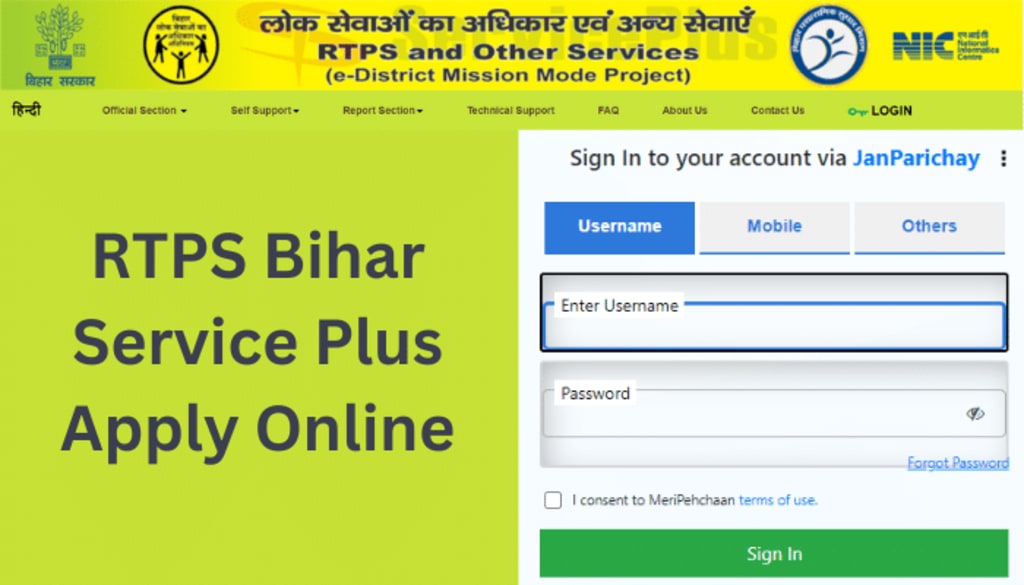
in Bihar: Revolutionizing Public Service Delivery
Bihar, one of India’s most populous states, has long faced challenges in providing efficient and timely public services to its residents. With a largely rural population, bureaucratic delays, and an intricate web of administrative processes, citizens often found themselves struggling to access basic services. To address these challenges, the Bihar government introduced the Right to Public Services (RTPS) Act in 2011. This initiative has since transformed how public services are delivered, aiming for greater transparency, efficiency, and accountability.
In this article, we will explore the journey of RTPS in Bihar, its impact on governance, and the challenges that still lie ahead.
### 1. Background and Need for RTPS
Bihar, with its 104 million population (as per the 2011 census), has historically been plagued by issues such as corruption, bureaucratic red-tape, and inefficiency in public service delivery. Citizens often had to make multiple trips to government offices for simple tasks like obtaining certificates (birth, caste, residence), licenses, and permits, which should have been completed quickly. The delays were attributed to a lack of accountability and transparency in the process, compounded by poor infrastructure, literacy rates, and systemic corruption.
The need for a streamlined and accountable system became evident. In response to public outcry for good governance and the growing nationwide movement for transparency, the Bihar government launched the RTPS Act in 2011.
### 2. RTPS Act – The Framework
The Right to Public Services Act, 2011, is a landmark legislation aimed at providing time-bound public services to citizens. The primary objective of the RTPS Act is to ensure that specific services are provided within a stipulated time frame, thus eliminating delays and improving public trust in governance.
Under this Act, the Bihar government identified several key services that would be delivered within fixed time limits. As of now, more than 50 services from various departments like revenue, transport, education, and health are covered under RTPS. Some of the commonly availed services under RTPS include:
- Issuance of caste certificates
- Issuance of income certificates
- Issuance of domicile/residence certificates
- Applications for social security pensions
- Renewal of driving licenses
- Issuance of land records and related documents
The Act also provides citizens with a grievance redressal mechanism. If a service is not delivered within the stipulated time frame, the applicant can appeal to higher authorities, and penalties can be imposed on officials who delay service delivery.
### 3. Technology and Infrastructure Support
One of the critical enablers of RTPS has been the adoption of technology. Recognizing that a manual system would not suffice in a state like Bihar, the government incorporated digital solutions to make service delivery efficient and transparent. The Bihar government established an RTPS online portal where citizens can apply for services, track their applications, and download certificates from the comfort of their homes. This was a significant move, especially for citizens in rural and remote areas, where access to government offices is limited.
Some key technological advancements under RTPS include:
- Online Application System: Citizens can apply for a wide range of services online, reducing the need for physical visits to government offices.
- Tracking System: Applicants can track the status of their application in real-time, ensuring transparency in the process.
- SMS Alerts: Applicants receive SMS updates on the status of their applications, making the process more citizen-friendly.
- Digital Certificates: RTPS has introduced digital certificates, which can be downloaded from the portal. This eliminates the need for multiple visits to the office and provides citizens with verified documents immediately.
- Common Service Centers (CSCs): To ensure that even the digitally illiterate population can access services, the government has set up CSCs across the state, where citizens can go to apply for services online.
### 4. Impact on Governance and Citizen Experience
RTPS has brought about a transformative change in the way public services are delivered in Bihar. Some of the significant impacts include:
- Reduction in Corruption: The online nature of applications and the fixed time frame for service delivery have minimized the opportunities for bribery and corruption. Citizens no longer need to rely on middlemen or pay bribes to get their work done.
- Improved Efficiency: With clear timelines for service delivery and penalties for delays, government offices are now functioning more efficiently. This has reduced the backlog of pending applications and improved overall governance.
- Enhanced Transparency: With the tracking mechanism in place, citizens have a clear understanding of where their application stands. This transparency has built trust in the system, reducing frustrations that arose from unnecessary delays.
- Inclusivity: Through CSCs and digital outreach programs, even the rural population, who may not have access to the internet or may not be tech-savvy, can easily avail services. This inclusivity has empowered many, particularly marginalized communities, to access government services without hurdles.
- Boost to Rural Development: With improved access to essential documents like income, caste, and residence certificates, rural populations can now more easily apply for social welfare programs, scholarships, and jobs. This has had a direct impact on improving the socio-economic status of many households.
### 5. Challenges and Areas of Improvement
Despite its many achievements, RTPS in Bihar is not without its challenges. Some of the issues that still need to be addressed include:
- Digital Divide: While technology has enabled efficient service delivery, many areas in Bihar still lack reliable internet connectivity. This limits the reach of the RTPS portal in some rural areas, where citizens have to rely on CSCs or offline methods.
- Capacity Building: Some government officials are not fully trained to handle the new digital systems. This leads to delays in service delivery, even though the processes have been simplified. Continuous training and capacity building for government staff is essential for the smooth functioning of RTPS.
- Grievance Redressal: While the RTPS Act provides a grievance redressal mechanism, many citizens are unaware of it or find it difficult to navigate. More awareness campaigns are needed to inform the public about their rights under the Act.
- Penalties for Non-compliance: While there are provisions for penalties against officials who delay service delivery, these penalties are not always strictly enforced. There is a need for stricter monitoring and enforcement of the Act’s provisions to ensure accountability.
### 6. Conclusion: A Path Forward
The RTPS Act in Bihar has been a game-changer for governance in the state. By introducing time-bound service delivery, promoting transparency, and leveraging technology, the Bihar government has made significant strides toward improving the lives of its citizens. However, for RTPS to reach its full potential, the state must address the challenges that remain, particularly in bridging the digital divide and ensuring the accountability of government officials.
As Bihar continues on its journey of development, the RTPS Act stands as a beacon of hope, demonstrating how governance can be transformed with the right blend of policy, technology, and political will. By continuing to refine and expand this initiative, Bihar can serve as a model for other states in India looking to reform their public service delivery mechanisms. writing...
About the Creator
Enjoyed the story? Support the Creator.
Subscribe for free to receive all their stories in your feed.
Comments