
Role of HbA1c in Diagnosing and Predicting Diabetes and Its Complications
HbA1c for Diabetes Patients

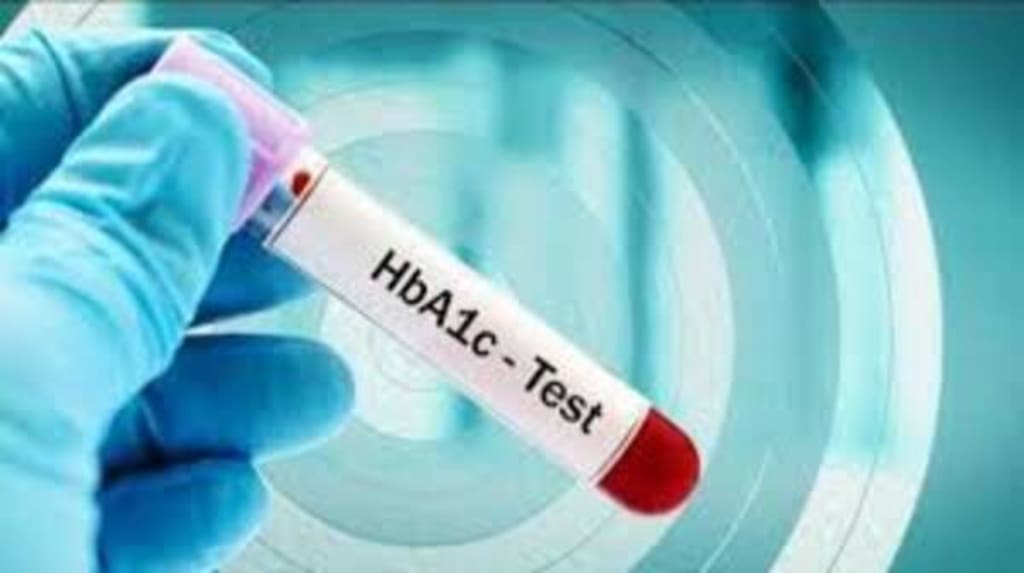
The HbA1c test is now a cornerstone in the diagnosis and ongoing management of diabetes, offering a reliable and standardized measure of long-term blood glucose control. Its adoption has transformed clinical practice, not only by enabling earlier and more accurate diagnosis but also by providing valuable insights into the risk of developing diabetes-related complications.
What is the HbA1c Test?
The HbA1c test measures the percentage of glycated hemoglobin in the blood, reflecting average blood glucose levels over the past two to three months. This makes it uniquely suited for assessing chronic hyperglycemia, as opposed to single-point-in-time glucose measurements. The importance of HbA1c test lies in its ability to provide a comprehensive picture of glycemic control, which is critical for both diagnosing diabetes and predicting future health risks.
HbA1c in Diagnosing Diabetes
International guidelines, including those from the World Health Organization and major diabetes associations, recommend an HbA1c test threshold of 6.5% (48 mmol/mol) for diagnosing diabetes. If a patient’s HbA1c is at or above this level, a diagnosis of diabetes can be made, though confirmation with a repeat test or additional glucose-based testing may be necessary, especially in asymptomatic individuals. For those with an HbA1c below 6.5%, diabetes cannot be entirely ruled out, as glucose-based tests may still reveal abnormal results. This underscores the importance of HbA1c test as part of a broader diagnostic approach.
Predicting Diabetes and Its Complications
Beyond diagnosis, the HbA1c test is a powerful predictor of diabetes-related complications. Chronic elevation of HbA1c is closely linked to the risk of developing microvascular complications such as retinopathy, nephropathy, and neuropathy, as well as macrovascular complications including heart disease and stroke. The higher the HbA1c, the greater the risk, making regular monitoring essential for long-term health outcomes.
Best Time for HbA1c Test
The best time for HbA1c test depends on the clinical context. For diagnosis, the test can be performed at any time of day and does not require fasting, which adds to its convenience. For ongoing monitoring in patients with established diabetes, guidelines recommend testing every three months (quarterly) if therapy has changed or if glycemic targets are not being met. For those with stable control, testing two to four times per year is sufficient. Quarterly testing is associated with the greatest improvement in glycemic control, while more frequent testing does not offer additional benefit.
Importance of HbA1c Test in Clinical Practice
The importance of HbA1c test extends beyond diagnosis. It enables clinicians to track the effectiveness of treatment, adjust therapy as needed, and identify patients at increased risk for complications. The test’s ability to reflect long-term glucose exposure makes it invaluable for both patients and providers in managing diabetes proactively.
Conclusion
The HbA1c test plays a dual role in modern diabetes care: it is essential for diagnosing diabetes and for predicting the risk of serious complications. Understanding the importance of HbA1c test and the best time for HbA1c test empowers healthcare providers to deliver optimal care and supports patients in achieving better long-term outcomes. Regular, appropriately timed HbA1c testing remains a key strategy in the fight against diabetes and its complications.
About the Creator
Enjoyed the story? Support the Creator.
Subscribe for free to receive all their stories in your feed.
Comments
There are no comments for this story
Be the first to respond and start the conversation.