
Role of Digital tools in modern Education
Using of digital tools in education

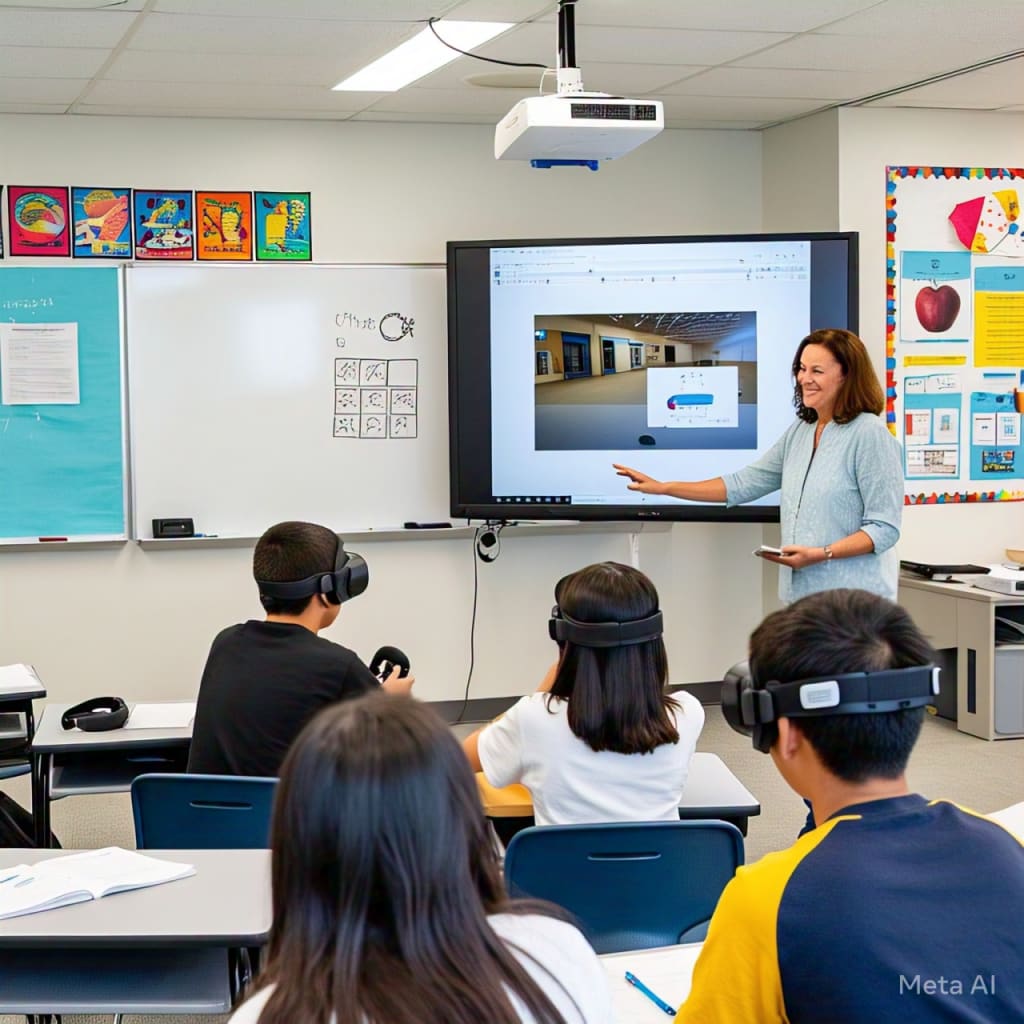
The Role of Digital Tools in Education In today's fast-paced, technology-driven world, digital tools have revolutionized the way we teach and learn. From interactive whiteboards in classrooms to educational apps on mobile phones, these tools are transforming education by making it more accessible, engaging, and effective. The role of digital tools in education is not just about using technology for the sake of innovation—it’s about enhancing the learning experience and preparing students for the future. One of the most significant contributions of digital tools is improved access to knowledge. The internet has broken down traditional barriers to information. Students can now access online libraries, eBooks, video tutorials, and open-source educational content from anywhere at any time. Platforms like Khan Academy, Coursera, and YouTube offer lessons on a wide variety of subjects, making quality education more democratic and widely available. Digital tools also support personalized learning, allowing students to learn at their own pace and according to their own style. For instance, adaptive learning platforms use artificial intelligence to assess a student’s strengths and weaknesses and adjust content accordingly. This personalized approach helps students better understand difficult concepts and makes learning more efficient and enjoyable. Furthermore, these tools encourage interactive and engaging learning. Instead of passively listening to lectures, students can interact with simulations, play educational games, or engage in group projects using digital collaboration platforms. Such tools not only make learning fun but also promote critical thinking, problem-solving, and creativity—skills that are essential for success in the modern world. The role of digital tools extends to communication and collaboration. Platforms like Google Classroom, Zoom, and Microsoft Teams allow teachers and students to connect seamlessly, whether they are in the same room or miles apart. These tools proved especially vital during the COVID-19 pandemic, ensuring continuity of education through remote learning. They also enable collaborative projects where students can work together on assignments, share ideas, and give feedback in real-time. Teachers also benefit from digital tools. They can use digital assessment tools to track student progress, generate detailed reports, and provide timely feedback. Tools like quizzes, polls, and interactive boards help in keeping the classroom dynamic and responsive. Additionally, digital lesson planning and resource-sharing platforms help educators save time and deliver better instruction. Despite these benefits, it is essential to ensure equity and responsible use of digital tools. Not all students have equal access to devices or the internet, and educators must be mindful of the digital divide. Furthermore, proper guidance and digital literacy training are necessary to ensure students use these tools safely and effectively. Here are some commonly used digital tools in education: 1. Google Classroom – For managing assignments, communication, and grading. 2. Kahoot! – For interactive quizzes and game-based learning. 3. Zoom / Microsoft Teams – For virtual classes and meetings. 4. Moodle – An open-source learning management system (LMS). 5. Canvas – Another LMS for managing coursework and content. 6. Edmodo – For classroom collaboration and communication. 7. Nearpod – For interactive presentations and real-time assessment. 8. Quizlet – For flashcards and study games. 9. Padlet – A digital board for collaboration and brainstorming. 10. Flip (formerly Flipgrid) – For video discussions and student voice. 11. Duolingo – For language learning. 12. Scratch – For teaching coding and programming basics. 13. Seesaw – A student portfolio and parent-teacher communication tool. 14. Socrative – For real-time student feedback and assessments. 15. Trello – For project-based learning and task management.
In conclusion, digital tools are reshaping education by enhancing access, engagement, and effectiveness in learning. When used thoughtfully, they empower both teachers and students, making education more inclusive, innovative, and impactful. As technology continues to evolve, so too will its role in education, opening up even more opportunities for growth and learning.
About the Creator
Hanif Rahi
Hi everyone 👋
I hope you all be right and in good condition, myself Rahi an Islamic Teacher holder of Islamic degree from Jamia tur Rasheed,
I love to resaerch on various topics which help the communit.
Enjoyed the story? Support the Creator.
Subscribe for free to receive all their stories in your feed.
Comments
There are no comments for this story
Be the first to respond and start the conversation.