
Revolutionizing Agriculture: The Future of Greenhouse Technology
Harnessing Innovation for Sustainable Growth: A Comprehensive Look at the Emerging Technologies Shaping Modern Agriculture
Introduction: Embracing the Future of Farming
The global demand for food is rising at an unprecedented rate. As traditional farming methods struggle to keep up, the latest trends in greenhouse technology are stepping up to the challenge. These advancements are not only revolutionizing agriculture but also focusing on efficiency, sustainability, and automation. From artificial intelligence to vertical farming, let's delve into the most promising trends that are shaping the future of farming.
1. Artificial Intelligence: The Brain Behind Climate Control
Artificial Intelligence (AI) is transforming the way greenhouses operate. By employing machine learning algorithms, AI systems can analyze vast amounts of data to make intelligent decisions.
- Automatically Adjusting Environments: AI can tailor the climate to different crops, ensuring optimal growth conditions. This includes adjusting temperature, humidity, and light levels.
- Monitoring Plant Health: Early detection of pests and diseases through AI allows for timely intervention, reducing the risk of widespread damage.
- Predictive Analytics: AI can forecast future conditions and make proactive adjustments, further enhancing efficiency and productivity.
2. Automated Irrigation Systems: Watering with Precision
Water management is crucial in agriculture, and automated irrigation systems are revolutionizing this aspect.
- Time and Labor Savings: Automation frees up growers to focus on other essential tasks, improving overall efficiency.
- Optimal Watering: Precise control over water and nutrient delivery ensures that plants receive exactly what they need, minimizing waste.
- Sustainability: By avoiding overwatering, these systems conserve water, contributing to more sustainable farming practices.
3. Smart Sensors: The Eyes and Ears of the Greenhouse
Smart sensors are providing unprecedented insights into greenhouse conditions.
- Temperature and Humidity Monitoring: Constant monitoring allows for real-time adjustments, ensuring optimal growth conditions.
- Light and CO2 Level Tracking: These sensors help in optimizing the environment, leading to better crop yields.
- Data Integration: By integrating with other systems, smart sensors enable a holistic approach to greenhouse management, enhancing decision-making.
4. LED Lighting: Shining a New Light on Growth
LED lighting is redefining how plants receive the light they need.
- Efficient Lighting: Unlike traditional systems, LED lights provide the necessary spectrum without excess heat, reducing stress on plants.
- Energy Cost Reduction: LEDs consume less energy, lowering costs and contributing to sustainability.
- Customization: Growers can tailor the light spectrum to specific crops, enhancing growth and yield.
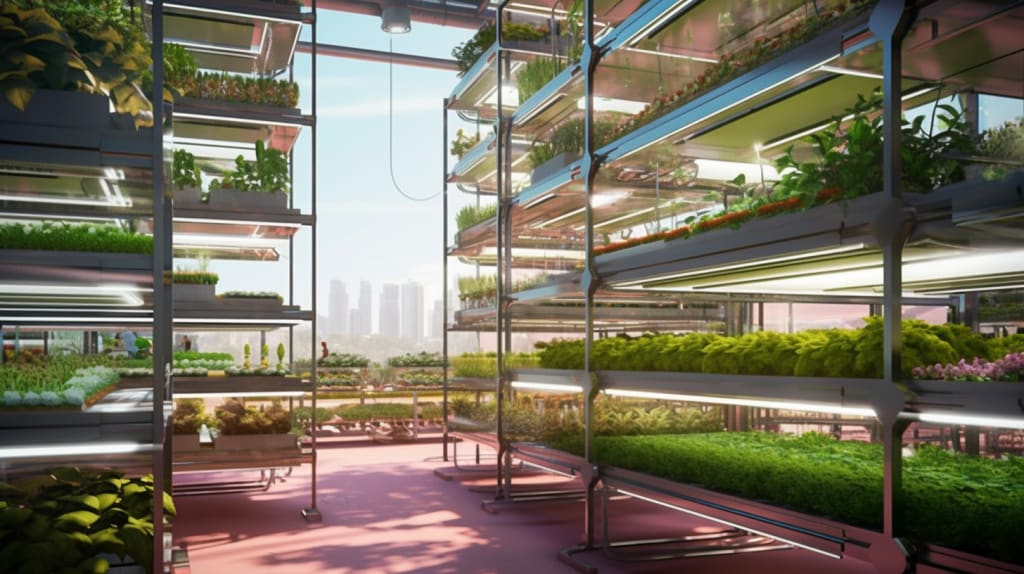
5. Vertical Farming: Reaching New Heights in Agriculture
Vertical farming is a groundbreaking approach to urban agriculture.
- Space Saving: By growing plants in stacked layers, vertical farms maximize yields in limited areas.
- Urban Farming Opportunities: This technology brings agriculture into city landscapes, promoting local food production.
- Controlled Environment: Vertical farms offer complete control over growing conditions, ensuring consistent, high-quality produce.
The Global Impact: Feeding the World Sustainably
These trends are more than technological marvels; they represent a shift towards a more sustainable and efficient global food production system. As the world grapples with climate change and resource scarcity, embracing these technologies is vital. They offer a path towards producing safe, healthy, and affordable food for a growing population without compromising our planet's well-being.
Conclusion: A Green Future with Greenhouses
The future of agriculture lies in innovation, and greenhouses are at the forefront of this revolution. By embracing these technologies, we are not only enhancing efficiency and sustainability but also paving the way for a greener future. The journey has just begun, and the potential is limitless.
About the Creator
Enjoyed the story? Support the Creator.
Subscribe for free to receive all their stories in your feed.
Comments
There are no comments for this story
Be the first to respond and start the conversation.