
Resale vs. New Homes: Why New Home Construction Might be Right for You
Why New Construction Beats Resale Homes

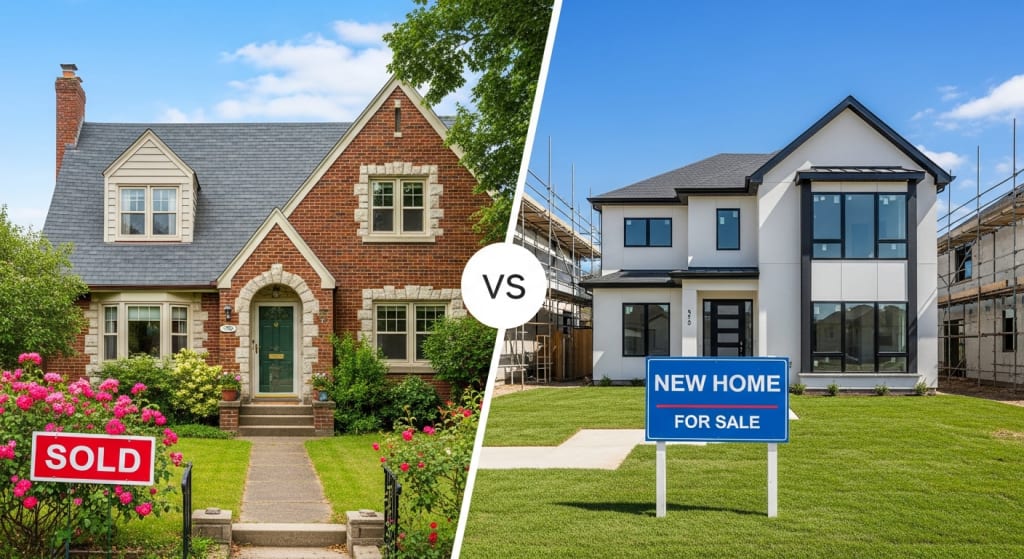
Feeling stuck between choosing a resale home that “almost” fits your needs and a newly built home that promises modern comfort? Worried about hidden repair costs, outdated layouts, or competitive bidding wars? Unsure whether waiting for new construction is worth the time and investment?
If any of these concerns sound familiar, you’re in the right place. This post breaks down both options, resale and new homes, so you can confidently decide what truly supports your lifestyle, budget, and long-term goals.
Understanding Home Reselling
A resale home is a property previously lived in by another owner. These homes often come with established neighborhoods, mature landscaping, and unique architectural charm. But they can also bring maintenance surprises, outdated features, or inefficiencies.
For buyers who want a faster move-in timeline or a home with character, resale can be appealing. However, understanding the potential risks and trade-offs is essential before signing on the dotted line.
Benefits of Buying a Resale Home
Buying a resale home often feels like discovering a hidden story—every room has history, personality, and warmth. These homes offer quicker move-in dates and are usually located in well-established communities. However, they can also come with aging systems and unpredictable repair needs.
Pros
- Established neighborhoods with mature trees and amenities
- Faster availability and less waiting
- Potential for negotiation on price
- Unique architectural details
Cons
- Maintenance or repair surprises
- Outdated layouts or systems
- Higher energy costs due to older construction
Understanding New Home Buying
New home construction offers a fresh start—your home, your style, your preferences from day one. These properties are built with modern materials, advanced energy efficiency, and layouts designed for contemporary living. While buyers may need to wait for construction to finish and navigate upgrade decisions, the benefits often outweigh the challenges. For many families, a new home means fewer headaches, lower long-term costs, and a space tailored to their lifestyle.
Benefits of Buying a New Construction Home
New homes bring a sense of pride and convenience—everything is modern, pristine, and move-in ready. They’re built with updated safety standards and energy-efficient systems, saving you money long-term. Still, the waiting period and limited negotiation flexibility can be drawbacks.
Pros
- Modern layouts and customizable finishes
- Lower maintenance for the first several years
- Energy-efficient appliances and construction
- Builder warranties for peace of mind
Cons
- Longer wait due to construction timelines
- Less price negotiation
- New neighborhoods may lack mature infrastructure early on
Comparing Resale Homes and New Construction: New Homes vs. Resale Homes
1. Cost & Value
Resale homes can initially appear more budget-friendly, and sellers are often open to negotiating price or closing costs. However, older systems, roof issues, and hidden repairs can quickly increase your total cost. The upfront savings sometimes disappear once inspections reveal work that needs immediate attention.
New homes often come at a higher upfront price, but buyers benefit from lower maintenance costs, builder warranties, and energy savings. Over time, these advantages can provide greater financial stability. Plus, new homes usually appreciate well due to modern features and appeal to future buyers.
2. Customization & Features
With resale properties, what you see is what you get. If you want a different kitchen, bathroom, or floor plan, renovations may be required. While some buyers love the charm of older homes, personalization often becomes a time-consuming—and sometimes costly—project.
New homes offer the freedom to choose finishes, flooring, cabinetry, colors, and layout options. This customization ensures the home reflects your lifestyle from the start. Plus, modern features—like open-concept spaces, smart-home tech, and energy-efficient appliances—come standard or are easily added.
3. Maintenance & Repairs
Older homes often require ongoing maintenance due to aging systems like HVAC, plumbing, roofing, and electrical. While inspections help reveal issues, you may still encounter unexpected repairs. These can add stress and strain on your budget, especially within the first few years of ownership.
New homes are built to today’s safety and efficiency standards, meaning fewer repairs and less maintenance. Most major components—including the roof, HVAC, and appliances—are brand new. Builder warranties provide additional protection, reducing financial risk and giving homeowners long-term peace of mind.
4. Location & Neighborhood Maturity
Resale homes for sale in Norfolk, VA, are typically located in established neighborhoods—complete with schools, parks, shopping, and community culture. Buyers know exactly what they’re getting, from traffic patterns to nearby amenities. The downside: older areas may lack modern community layouts or updated recreational spaces.
New developments offer fresh designs, planned communities, walking trails, and amenities like clubhouses or pools. However, early buyers may experience ongoing construction nearby or limited initial services. Over time, these neighborhoods often grow into vibrant, modern hubs with strong resale value.
5. Energy Efficiency & Technology
Resale homes may lack modern insulation, energy-efficient windows, updated wiring, or smart-home features. While upgrades are possible, they require additional investment. Older homes tend to carry higher monthly utility costs compared to newer construction built with energy-saving materials.
New homes are designed with the latest efficiency standards—smart thermostats, advanced insulation, high-performance HVAC systems, and energy-efficient appliances. These upgrades reduce monthly bills and environmental impact. For tech-savvy buyers, new construction offers seamless integration of smart-home technology.
Frequently Asked Questions
What is the 2% rule for property?
It’s an investment guideline stating that the monthly rent should equal at least 2% of the purchase price. It helps investors estimate potential cash flow quickly.
How do I find a trusted provider or real estate agent?
Look for licensed professionals with proven local experience, strong reviews, and transparent communication. Interview at least two to compare expertise and compatibility.
What factors should I consider while buying a property?
Evaluate location, budget, long-term goals, home condition, resale potential, and lifestyle needs. Also consider school districts, commute times, and future neighborhood development.
On a Final Note
Choosing between a resale home and new construction doesn’t have to feel overwhelming. When you understand the benefits, costs, and long-term implications, the right option becomes much clearer.
Whether you’re seeking charm, convenience, customization, or peace of mind, take time to weigh your priorities. And before making your final decision, consult trusted real estate agents, as they can simplify the process, protect your interests, and help you find a home that truly fits your future.
About the Creator
Daniel Rodriguez
Daniel, a seasoned real estate expert with over a decade of experience, specializes in residential and commercial properties. Known for his market insights, negotiation skills, and client dedication, he ensures smooth transactions.
Enjoyed the story? Support the Creator.
Subscribe for free to receive all their stories in your feed.
Comments
There are no comments for this story
Be the first to respond and start the conversation.