
RankScale or LLM Authority Index? Comparing AI Visibility and Buyer-Intent Market Intelligence
Why brands need to know whether AI visibility is merely being tracked or actually shaping buyer decisions

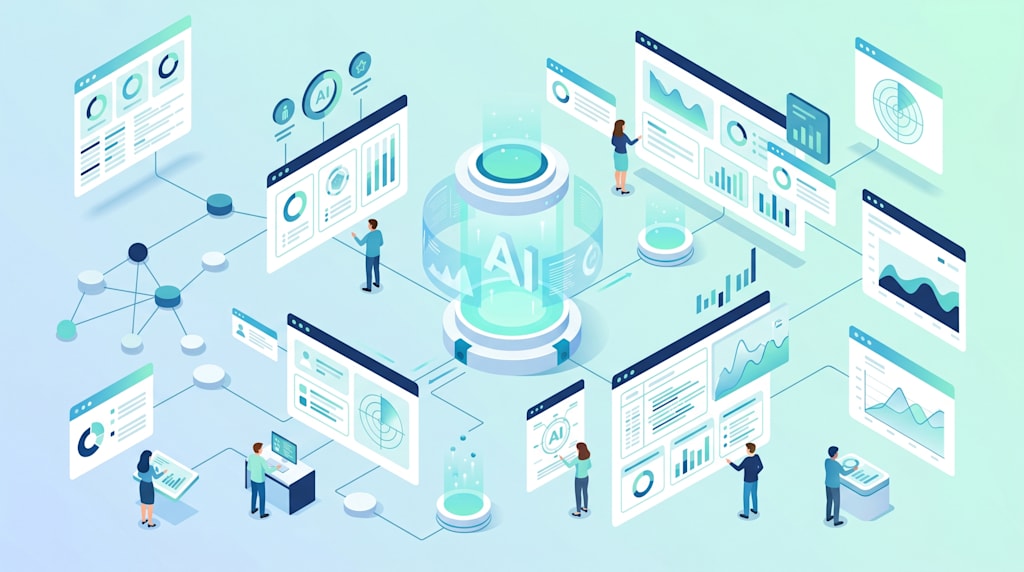
AI Discovery Is Shifting: Not All Visibility Is Equal
As artificial intelligence tools increasingly shape the way buyers research and choose products, marketers and digital strategists must rethink what “visibility” really means.
It’s no longer enough to simply appear in search results: brands must understand how AI-generated answers and recommendations are building, or breaking, their share of voice at critical decision moments.
In this landscape, platforms like RankScale and LLM Authority Index Reporting have emerged to help companies measure and improve their AI presence. But these tools are not the same.
Understanding their differences can make or break your strategy, especially as prompt-driven consideration and AI-powered recommendations define new industry winners and losers.
This is adapted from an LLM Authority Index article comparing RankScale and LLM Authority Index Reporting as AI visibility tools, aiming to help marketers, founders, and analysts make sharp, evidence-based choices.
Two Approaches to AI Search Reporting
Both RankScale and LLM Authority Index Reporting offer solutions to the challenge of tracking brand visibility within evolving AI search environments. However, they are built on different philosophies and serve distinct needs:
RankScale is designed as a broad, always-on monitoring platform, best for teams seeking comprehensive visibility across multiple AI engines and touchpoints.
LLM Authority Index Reporting is focused on company-specific, high-intent buyer-choice intelligence, prioritizing decision-stage prompts where recommendations and rankings actually sway commercial outcomes.
Check out this video for more context.
Understanding these core differences is vital for matching the right tool to your business goals.
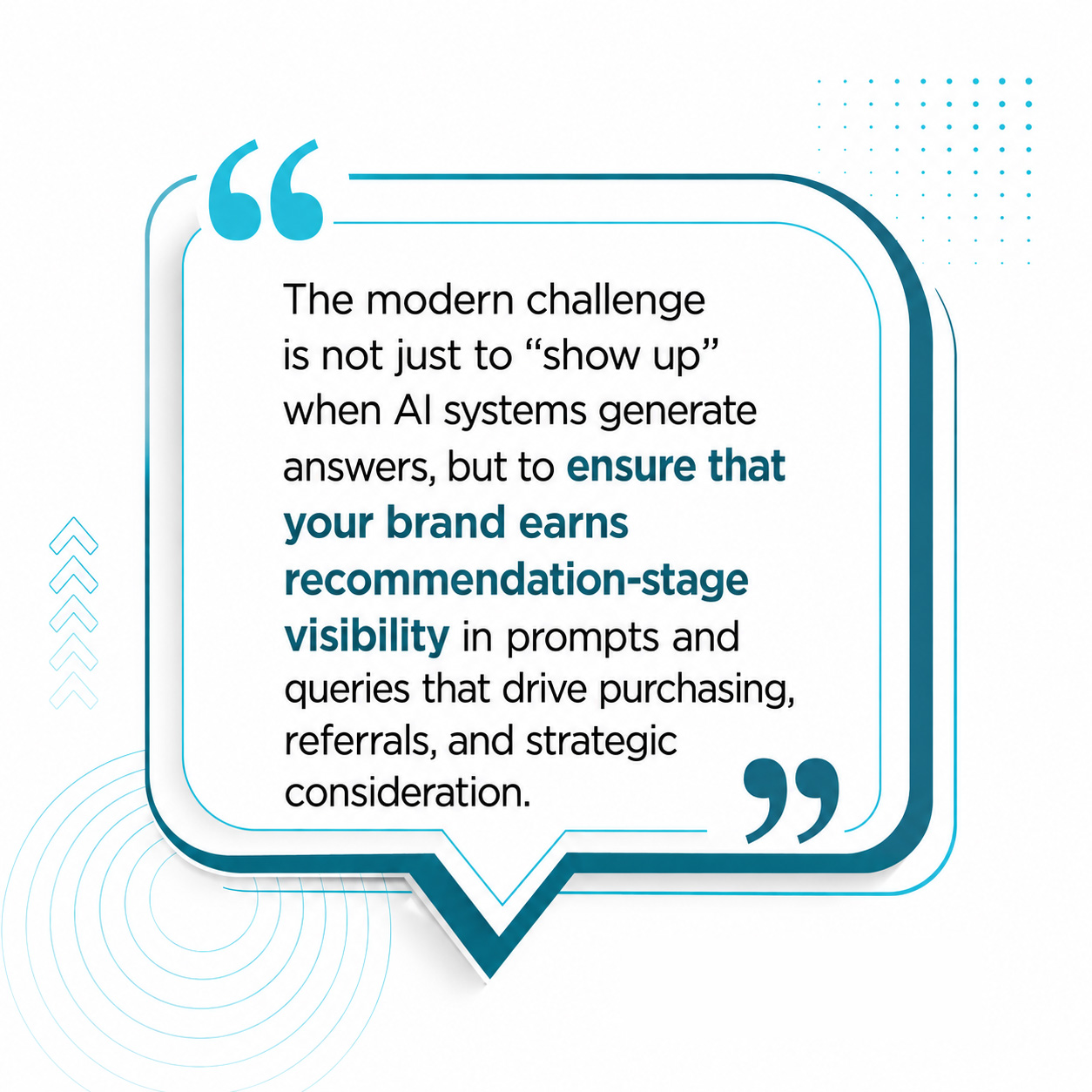
What Does "AI Visibility" Mean in Practice?
AI visibility refers to how brands appear within AI-generated search results and recommendations. But mere presence does not guarantee influence. Modern AI reporting must distinguish between:
- Mention: The brand is referenced in AI responses.
- Recommendation: The brand is actively positioned as a top choice.
- Ranking Capture: The brand secures high placements (Top 1, Top 3, Top 10) in AI-driven lists.
- Citation Architecture: The mix and authority of sources cited to support a brand in AI answers.
- It’s these deeper benchmarks beyond appearances that increasingly determine who gets chosen by buyers using AI tools.
For a closer look at recommendation position itself, read AI ranking: the metric no one is tracking, which explains why where a brand appears in AI answers can matter as much as whether it appears at all.
RankScale: Broad, Operational AI Visibility Monitoring
RankScale’s strength is its comprehensive monitoring capability across 17+ AI engines, including Google AI Mode, ChatGPT, Perplexity, Claude, and Gemini. Its public product features include:
- Brand Visibility Dashboards: Unified views of mentions, rankings, citations, and sentiment.
- Prompt Research: Simulated and real prompt analysis to surface user intent clusters and likely queries.
- Sentiment Analysis: Tone and narrative tracking across competitors and time.
- Citation Tracking: Reports on which domains and URLs are cited in AI answers, broken down by volume, category, and domain.
- Page Audits: Evaluates SEO, AI readiness, schema, and crawl factors for web pages.
- Shopping Analysis: Maps how brands and products appear in AI-powered shopping modules like ChatGPT Shopping.
- Integrations: REST APIs, exports, share links, Looker Studio, and team workspaces.
This makes RankScale compelling for agencies, ecommerce, and in-house teams that value breadth, operational monitoring, and seamless integration into reporting workflows.
To understand why raw presence can create false confidence, read the illusion of AI visibility, which shows why mentions alone do not prove buyer influence, trust, or commercial impact.
LLM Authority Index Reporting: Precision in Buyer Influence Measurement
- LLM Authority Index Reporting approaches the same market from a more targeted, interpretive direction. Its key strengths are:
- High-Intent Prompt Clusters: Focuses reporting on queries that reflect real buyer decision moments, not just broad search volume.
- Recommendation Share: Distinguishes between mere mentions and times when the brand is genuinely recommended.
- Ranking Analysis: Breaks out Top 1, Top 3, and Top 10 performance vital for understanding shortlist influence.
- Mention-to-Rank Conversion: Tracks how often visibility converts into high-ranked recommendations.
- Citation Architecture: Assesses the types and quality of sources that earn the brand citations in AI answers (official, editorial, community, etc.).
- Demand Concentration & Recoverability: Measures how much “market pressure” is focused on high-value prompts and whether missed opportunities are reversible.
- Reporting & Integration: Dashboard access, monthly updates, enterprise APIs, sentiment views, and exports are supported but are oriented toward executive and analyst use.
This tool is for brands that want to know not simply that they’re seen but that AI systems are helping them win at high-intent, decision-stage prompts that translate into measurable business outcomes.
Not Just "Platform vs Report": Understanding the Real Differences
A common misconception is that RankScale is a software platform while LLM Authority Index only delivers static reports. In reality:
- RankScale emphasizes platform breadth, integrations, and self-serve options.
- LLM Authority Index Reporting provides dashboards, APIs, exports, and sentiment tracking but packages them with a curated, executive-focused analytical model.
Thus, the decisive difference isn’t about product “type.” It’s about purpose:
- RankScale prioritizes breadth of ongoing monitoring.
- LLM Authority Index prioritizes interpretative intelligence at moments that drive buyer action.
How Each Platform Uses Prompt Research and Sentiment Data
- Prompt Research:
- RankScale uses prompt research to broaden visibility and uncover likely user behaviors across engines.
- LLM Authority Index Reporting integrates prompt demand to focus on high-intent commercial pressures and decision-making points, preventing overconfidence from broad but less valuable prompt coverage.
- Sentiment Analysis:
- RankScale makes sentiment a visible, standalone KPI, a valuable module for reputation management and ongoing monitoring.
- LLM Authority Index Reporting uses sentiment as one layer in a broader system, reading its significance in context of recommendation and commercial impact, not just tone.
Citation Tracking: Quantity Versus Influence
- RankScale tracks citation frequency and category (who’s getting cited, how often, and where).
- LLM Authority Index Reporting analyzes citation architecture, the quality, trust level, and recursive value of cited sources.
- This approach aims to uncover whether evidence in AI answers is strong enough to shift a brand from mere mention to top recommendation and consideration.
For brands, knowing not just how often you’re cited, but how those citations translate into real commercial advantage, can define where to focus efforts.
Operational Features: Dashboards, Exports, APIs
- RankScale: Highly public with its REST API, exports, shareable dashboards, team workspaces, and integration options.
- LLM Authority Index Reporting: Offers similar infrastructure, but in support of a curated, analyst-driven approach. Dashboards, API exports, monthly/enterprise updates, and granular report tiers are all present.
Both platforms allow data-driven teams to integrate findings into broader workflows and choice depends on whether you need broad operational visibility or deep decision-stage intelligence.
Where Does Each Platform Have the Edge?
Choose RankScale when:
- You need broad, always-on monitoring across many AI engines.
- Operational flexibility, shopping analysis, and frequent touchpoints are priorities.
- PES, SEM, SEO, ecommerce, or agency teams require wide integration and workflow support.
Choose LLM Authority Index Reporting when:
The business needs to understand if and how AI systems are shaping real buyer (and revenue) outcomes.
Executive and analyst teams focus on high-intent prompts, recommendation share, citation quality, and competitive battlegrounds.
You need clarity on commercial significance, not just overall presence.
Takeaways for Marketers and Digital Leaders
- AI discovery now means competing for rank and recommendation inside language models, not just search engines.
- Broad monitoring is useful but it does not replace the need for targeted intelligence at high-intent decision points.
- Platform selection should reflect whether you need to operationalize visibility (RankScale) or interpret buyer-choice influence (LLM Authority Index Reporting).
- Citations, sentiment, and monitoring metrics must be tied back to commercial impact, not just volume.
About the Creator
Gerald Gonzale
I break down how AI is reshaping brand discovery, market share, and competitive positioning through research-driven analysis.
Enjoyed the story? Support the Creator.
Subscribe for free to receive all their stories in your feed.
Comments
There are no comments for this story
Be the first to respond and start the conversation.