
Psoriasis
Causes, Types, Sign and Symptoms, Diagnosis and Treatment

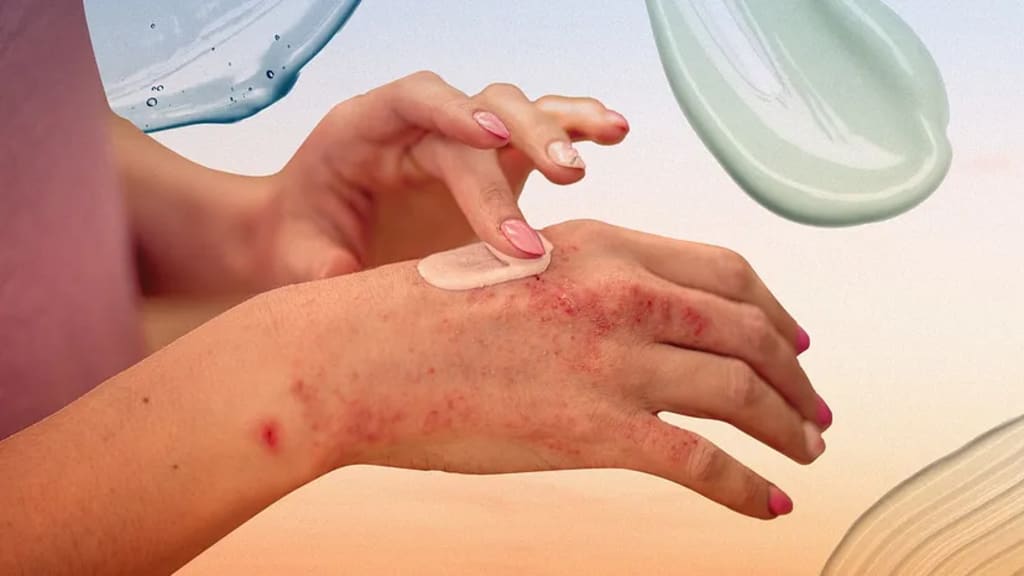
Psoriasis named from the Greek word surah meaning itch psoriasis is a chronic non contagious disease characterized by inflamed lesions covered with silvery white scabs of dead skin psoriasis which affects at least four million Americans is slightly more common in women than in men although the disease can develop at any time ten to fifteen percent of all cases are diagnosed in children under 10 and the average age at the onset of symptoms is 28 psoriasis is most common in fair-skinned People and extremely rare in dark-skinned individuals.
— Causes of Psoriasis
Your immune system is meant to protect you when an intruder like a cold virus enters your body but sometimes the immune system mistakes your body’s healthy cells for intruders and attacks them while the exact cause of psoriasis isn’t fully understood scientists believe psoriasis is the result of several factors including the immune system.
when you have psoriasis your immune system is overactive this creates inflammation inside the body Which is a cause of the symptoms you see on the skin more healthy cells are produced than normal those excess cells get pushed to the surface of your skin too quickly normally it takes about a month for your skin cells to cycle through your body with psoriasis it takes days your body simply can’t shed skin cells that quickly so the cells filled up on the surface of your skin the thick red patches you see on your skin also called plaques are actually a buildup of excess skin cells.
— Types of Psoriasis
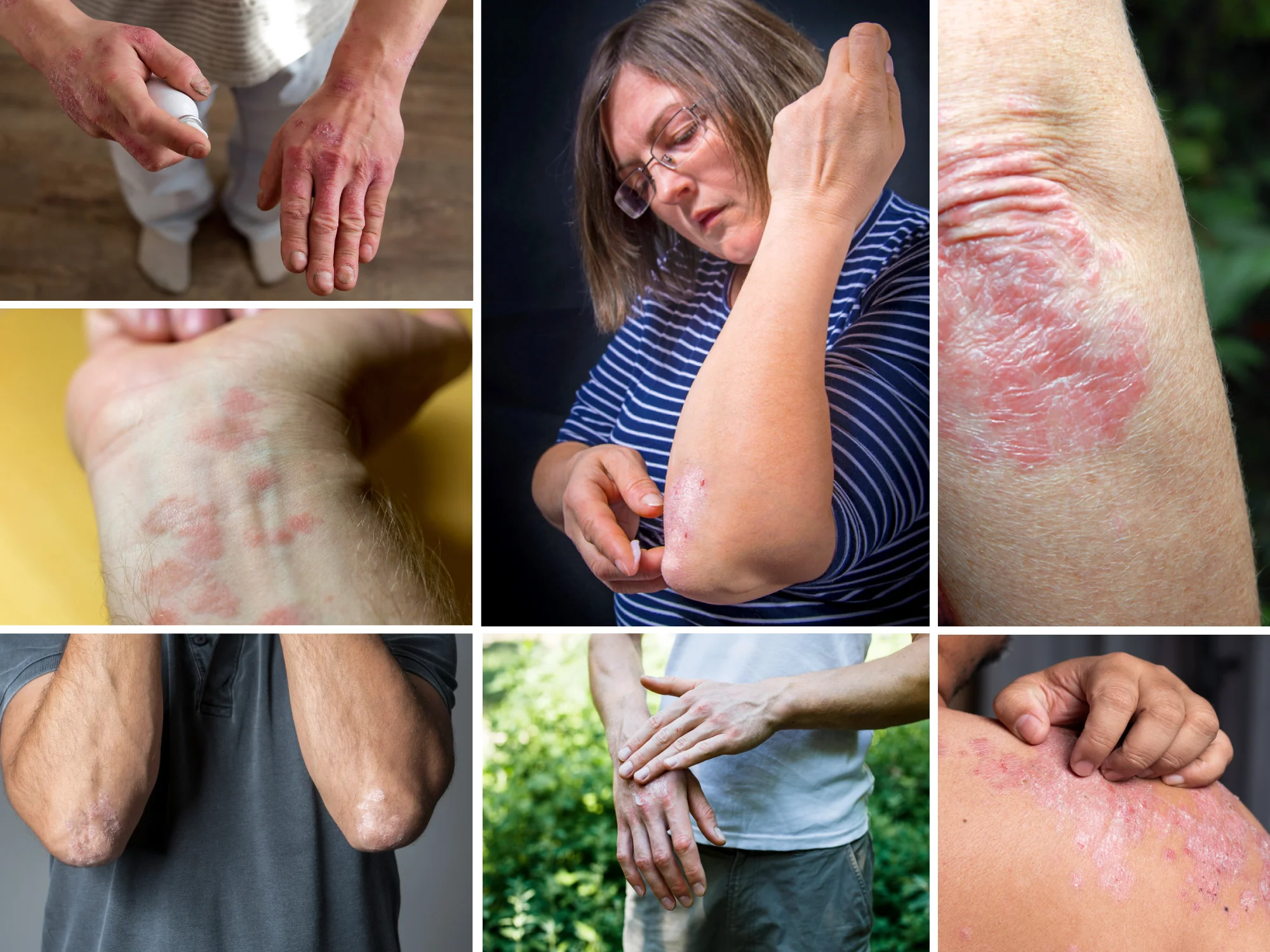
The five major types psoriasis are:
1. Plaque psoriasis
Plaque psoriasis is the most common form of the disease and appears as raised red patches covered with a silvery white buildup of dead skin cells these patches or planks most often show up on the scalp knees elbows and lower back. they are often itchy and painful and they can crack and bleed.
2. Gut Hate Psoriasis
Gut hate psoriasis is a form of psoriasis that appears as small dot like lesions gutted psoriasis often starts in childhood or young adulthood and can be triggered by a strep infection this is he second most common type of psoriasis after plaque psoriasis about 10% of people who get develop gut psoriasis.
3. Inverse Psoriasis
Inverse psoriasis shows up as very red lesions in body folds such as behind the knee under the arm or in the groin it may appear smooth and shiny
4. Pustular Psoriasis
Pustular psoriasis is characterized by white pustules or blisters of non-infectious pus surrounded by red skin the pus consists of white blood cells it is not an infection nor is it contagious pustular psoriasis can occur on any part of the body but occurs most often on the hands or feet.
5. Erythrodermic Psoriasis
Erythrodermic psoriasis is particularly severe form of psoriasis that leads to widespread fiery redness over most of the body it can cause severe itching and pain and make the skin come off in sheets it is rare occurring in three percent of people who have psoriasis during their lifetime.
— Signs and Symptoms
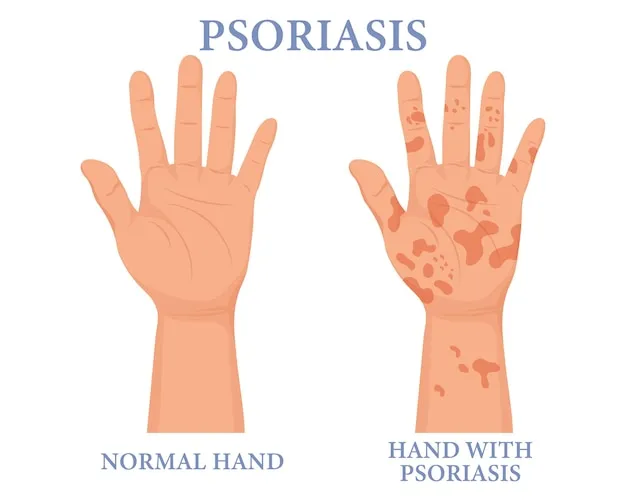
Signs and symptoms are different for everyone common signs and symptoms include red patches of skin covered with thick silvery scales small scaling spots commonly seen in children dry cracked skin at may bleed itching burning or soreness thickened pitted or rigid nails swollen and stiff joints.
— Diagnosis of Psoriasis
Psoriasis diagnosis in most cases a psoriasis diagnosis is rather straightforward your doctor will perform a physical examination of your skin scalp and nails and also take your medical history
if you have a family member with psoriasis it’s important to share that with your doctor in rare cases a psoriasis diagnosis may require a biopsy or your doctor takes a small sample of skin to examine under a microscope so he or she can determine the exact type of psoriasis and rule out other disease possibilities.
— Psoriasis Treatments
Treating your psoriasis is critical to good disease management and overall health work with your doctor to find a treatment that reduces or eliminates your symptoms what works for one person with psoriasis may not work for another.
— Biologic Drugs
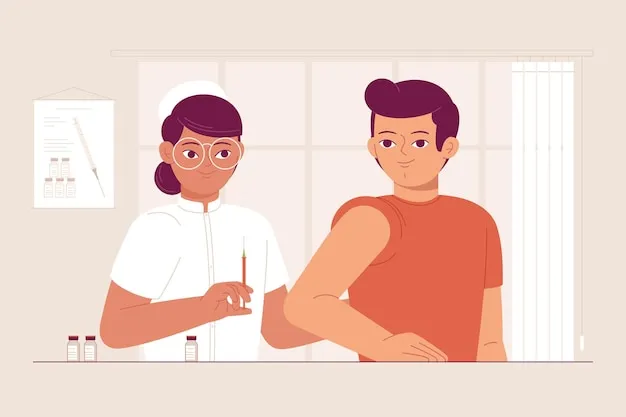
Biologics are usually prescribed for moderate to severe psoriasis and psoriatic arthritis that is not responded to other treatments they are given by injection or intravenous or IV infusion.
— Systemic Medications
Systemic medications are prescription drugs that are taken orally or by injection and work throughout the body.
— Photo Therapy
Photo therapy or light therapy involves exposing the skin to ultraviolet light on a regular basis and under medical supervision treatments are done in a doctor’s office or psoriasis clinic or at home with a photo therapy unit.
— New Oral Treatments
New oral treatments improve symptoms of psoriatic disease by inhibiting specific molecules associated with inflammation these treatments can be effectively delivered as tablets taken by mouth topicals topical treatments are applied to the skin and are usually the first treatment to try when diagnosed with psoriasis.
About the Creator
Sophia Taylor
Hey, I'm Sophia, a writer on trending technologies and their impact. I blend insights with psychology to provide a deeper understanding and inspire techies.
Enjoyed the story? Support the Creator.
Subscribe for free to receive all their stories in your feed.
Comments
There are no comments for this story
Be the first to respond and start the conversation.