
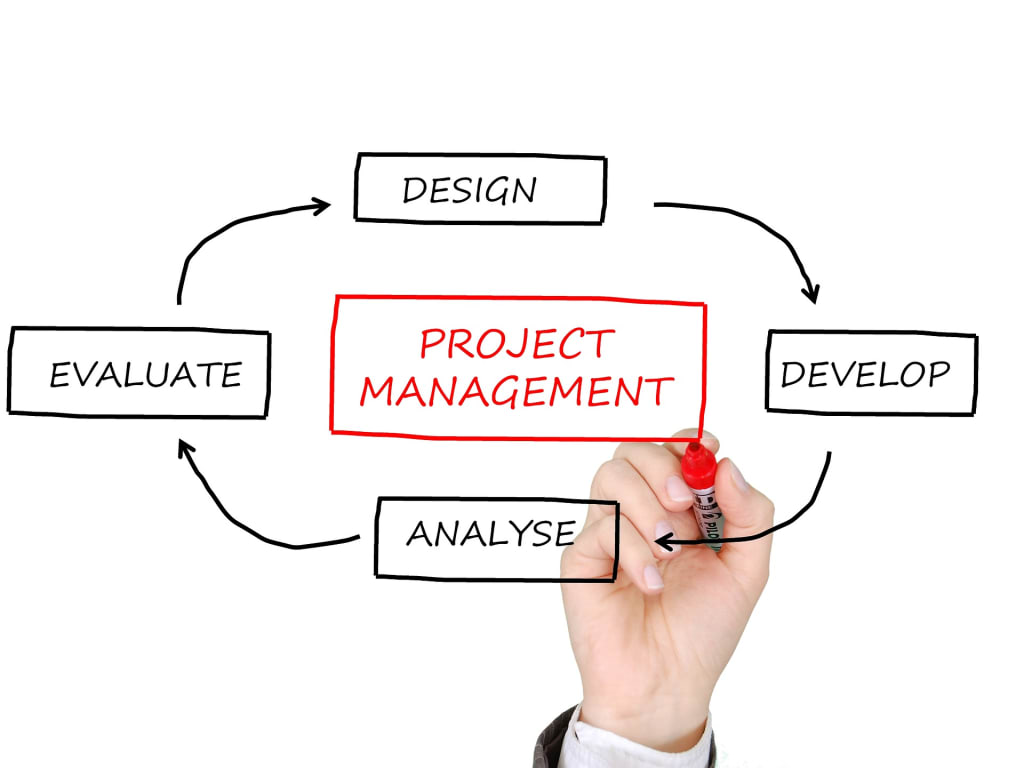
Project management is the practice of planning, organizing, and controlling resources, tasks, and people to achieve specific goals within a defined timeline and budget. It involves identifying the project requirements, breaking down the project into manageable tasks, creating a project schedule, allocating resources, and monitoring progress toward completion.
Effective project management requires strong leadership, communication, and problem-solving skills to coordinate and manage diverse teams and stakeholders. It also involves risk management, budgeting, and quality control to ensure the project meets its objectives while maintaining high standards.
Project management is used in a variety of industries, including construction, engineering, software development, marketing, and event planning. It is a critical process for successful project completion, and can help organizations to optimize resources, reduce costs, and increase efficiency.
Project management is a comprehensive approach to planning and executing projects. It involves a set of tools, techniques, and methodologies to ensure that projects are completed on time, within budget, and to the required quality standards. The main objectives of project management are to define the project goals and objectives, identify the project scope, schedule the project activities, allocate resources, and monitor the project progress.
One of the key aspects of project management is the project lifecycle. The project lifecycle is a framework that outlines the stages of a project from initiation to closure. The typical project lifecycle includes five stages: initiation, planning, execution, monitoring and controlling, and closure. Each stage has its own set of deliverables, such as a project charter in the initiation phase, a project plan in the planning phase, and a project report in the closure phase.
Another important aspect of project management is project communication. Effective communication is critical for project success, as it ensures that all stakeholders are informed about project status, risks, and issues. Communication can take various forms, such as meetings, reports, email, or online collaboration tools.
Project management also involves risk management. Risk management is the process of identifying, assessing, and mitigating risks that may affect the project objectives. Risks can include issues related to scope, schedule, budget, quality, or stakeholder expectations. Project managers need to identify risks early and develop strategies to manage them throughout the project lifecycle.
Project management involves team management. Project teams are typically made up of people from different backgrounds and disciplines, and project managers need to motivate, guide, and support team members to achieve project goals. This requires strong leadership skills, the ability to delegate tasks effectively, and the ability to resolve conflicts.
Project management is a multifaceted approach to planning and executing projects. It involves a range of skills and techniques to ensure that projects are completed on time, within budget, and to the required quality standards. Successful project management requires strong leadership, communication, risk management, and team management skills.
Stakeholder management:
Project stakeholders are individuals or groups who have a vested interest in the project, such as customers, sponsors, team members, and suppliers. Effective stakeholder management involves identifying stakeholders, understanding their needs and expectations, and keeping them informed about project progress.
Change management:
Projects can be impacted by changes in scope, schedule, or budget. Change management involves assessing the impact of changes, communicating the changes to stakeholders, and updating project plans and schedules accordingly.
Quality management:
Quality management involves ensuring that project deliverables meet the required quality standards. This can include developing quality assurance processes, conducting quality control checks, and implementing corrective actions as needed.
Procurement management:
Procurement management involves acquiring goods and services from external suppliers. This can include selecting suppliers, negotiating contracts, and managing supplier relationships throughout the project lifecycle.
Knowledge management:
Knowledge management involves capturing and sharing project knowledge and best practices. This can include creating project documentation, conducting post-project reviews, and developing a knowledge management system to ensure that project knowledge is retained and shared across the organization.
In summary, project management involves a wide range of activities and skills to ensure that projects are completed successfully. Effective project management requires a comprehensive approach that encompasses all aspects of the project, from initiation to closure.
About the Creator
Enjoyed the story? Support the Creator.
Subscribe for free to receive all their stories in your feed.
Comments
There are no comments for this story
Be the first to respond and start the conversation.