
Privacy and Security Concerns in Advanced Fitness Apps: What You Should Know?
In this article, we explore the key privacy and security issues associated with advanced fitness apps and provide tips for safeguarding your personal information.

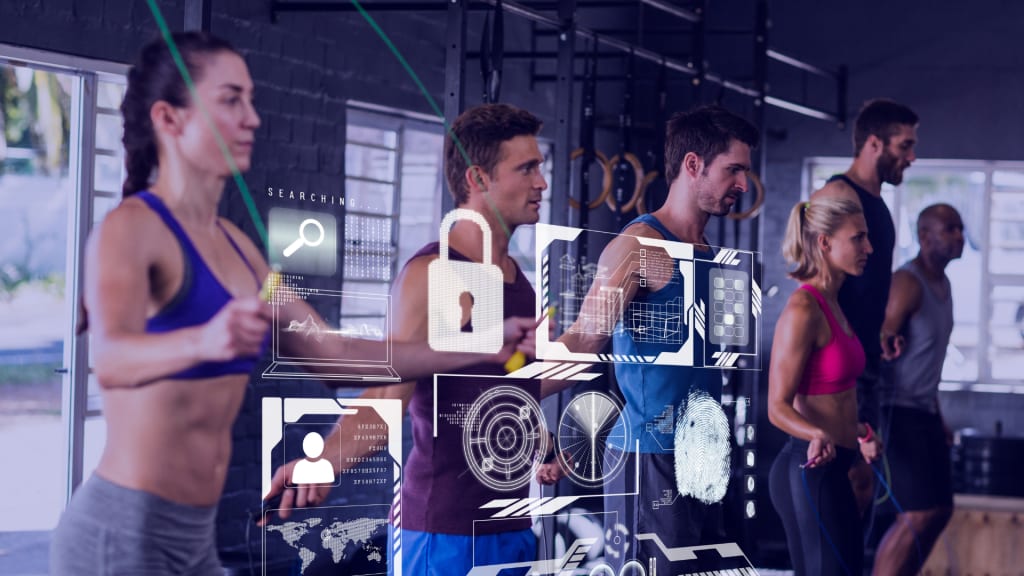
As fitness apps become increasingly popular, users are sharing more personal data than ever before, including health metrics, location data, and lifestyle habits. While these apps offer numerous benefits, they also pose significant privacy and security risks. Understanding these concerns and knowing how to protect your information is crucial.
In this article, we explore the key privacy and security issues associated with advanced fitness apps and provide tips for safeguarding your personal information.
Data Collection and Usage
Advanced fitness apps collect a vast amount of data, including personal details, health metrics, and behavioral patterns. This data can be used to personalize the user experience and improve app functionality.
However, it's essential to understand how your data is collected, stored, and used. Many apps share data with third parties, including advertisers and analytics companies. Always review the app’s privacy policy to know what data is being collected and for what purposes.
Inadequate Data Security Measures
One of the primary concerns with fitness apps is the potential for data breaches. Without robust security measures, sensitive information such as health data and location history can be exposed to unauthorized parties. Look for apps that use encryption and secure protocols for data transmission.
Additionally, apps developed by a reputable Mobile App Development Company in USA often have stronger security measures in place.
Location Tracking and Privacy Risks
Many fitness apps track users' locations to provide features like route mapping and workout tracking. However, constant location tracking can pose significant privacy risks, including potential stalking or unauthorized access to your location history.
Users should be cautious about sharing location data and should check if the app offers the option to disable location tracking.
Third-Party Integrations and Data Sharing
Fitness apps often integrate with other apps and devices, such as wearable fitness trackers and social media platforms. While these integrations enhance functionality, they can also lead to increased data sharing with third parties.
It's essential to understand how your data is shared and to review the privacy policies of all connected devices and platforms.
User Authentication and Account Security
Weak authentication processes can leave user accounts vulnerable to hacking and unauthorized access. Advanced fitness apps should offer robust authentication options, including two-factor authentication (2FA).
This adds an extra layer of security by requiring users to verify their identity through a second method, such as a text message or authentication app.
Data Retention and Deletion Policies
Knowing how long your data is retained and the process for deleting it is crucial for maintaining privacy. Some apps may retain data indefinitely, even after you stop using the app.
A reputable Fitness App Development Company should provide clear guidelines on data retention and offer an easy way for users to delete their data permanently.
Transparency and User Consent
Transparency becomes a key when it comes to data collection and usage. Fitness apps should communicate what data is being collected and why. They should also obtain explicit user consent before collecting sensitive information.
Users should have the option to opt out of data collection practices that they are uncomfortable with.
Children’s Privacy Concerns
Fitness apps that are accessible to children pose additional privacy concerns. The Children’s Online Privacy Protection Act (COPPA) in the USA requires apps to obtain parental consent before collecting data from children under 13.
Parents should be vigilant about the apps their children use and review privacy settings to protect their children's data.
Potential Misuse of Health Data
Health data collected by fitness apps can be sensitive and personal. There is a risk of this data being misused by third parties, such as insurance companies or employers.
It's crucial to use apps that adhere to strict privacy standards and regulations, such as the Health Insurance Portability and Accountability Act (HIPAA) in the USA.
Tips for Safeguarding Your Information
To protect your privacy and security while using fitness apps, consider the following tips:
- Choose Reputable Apps: Opt for apps developed by well-known companies or those recommended by trusted sources. A Mobile App Development Company in the USA with a good reputation is likely to have better security practices.
- Review Privacy Policies: Always read the app’s privacy policy to understand how your data is used and shared.
- Use Strong Passwords: Create strong, unique passwords for your app accounts and enable two-factor authentication if available.
- Limit Data Sharing: Be cautious about sharing sensitive information and disable unnecessary data collection features, such as location tracking.
- Regularly Update Apps: Keep your apps updated to ensure you have the latest security features and patches.
- Be Aware of Permissions: Review the permissions requested by the app and disable any that seem unnecessary for the app's functionality.
- Monitor Account Activity: Regularly check your account for any unusual activity and report any concerns to the app developer.
Conclusion
As fitness apps continue to evolve, they offer more sophisticated features and benefits. However, they also present significant privacy and security risks. By understanding these risks and taking proactive steps to protect your information, you can enjoy the benefits of fitness apps while minimizing potential drawbacks.
For those developing fitness apps, partnering with a reputable Fitness App Development Company or Mobile App Development Company in the USA ensures that privacy and security are prioritized in the development process. Always be vigilant and informed about the apps you use and the data you share.
About the Creator
Ewenjlin Smith
Hi, I'm Ewenjlin Smith, a Business Analyst at Quytech. My expertise lies in utilizing data-driven insights and strategic planning to enhance business operations.
Enjoyed the story? Support the Creator.
Subscribe for free to receive all their stories in your feed.
Comments
There are no comments for this story
Be the first to respond and start the conversation.