
Preventing Brain Strokes: A Comprehensive Guide
A brain stroke, or cerebrovascular accident (CVA), is a life-threatening condition that occurs when the blood supply to the brain is disrupted, either by a blockage (ischemic stroke) or a rupture of a blood vessel (hemorrhagic stroke). Without prompt treatment, brain cells can die, leading to significant and sometimes permanent damage. Stroke prevention is critical because the consequences can range from physical disability to death. The good news is that up to 80% of strokes can be prevented through lifestyle changes and medical management.
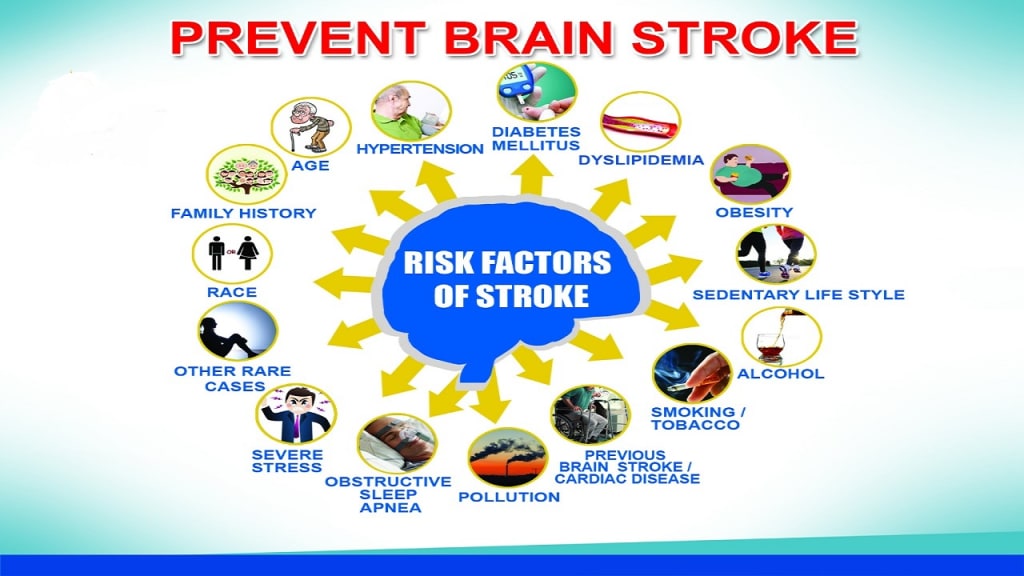
Understanding the Gamble Variables for Stroke
To successfully forestall a stroke, it's fundamental to comprehend the normal gambling factors, which fall into two classifications: modifiable and non-modifiable.
Non-modifiable gamble factors:
Age: The gamble of stroke increments with age, particularly after 55.
Orientation: Men are bound to encounter strokes; however, ladies will quite often have more extreme strokes when they happen.
Family ancestry: A family background of stroke can raise your gamble.
Race: African Americans, Hispanics, and South Asians have a higher gamble of stroke, possibly because of hereditary and natural variables.
Modifiable gamble factors:
Hypertension (hypertension): This is the main source of stroke. At the point when circulatory strain stays raised, it can harm supply routes and make them more vulnerable to blockage or burst.
Smoking: Smoking copies the gamble of stroke by harming veins and expanding coagulating factors in the blood.
Elevated cholesterol: Elevated degrees of LDL (terrible) cholesterol can prompt plaque to develop in conduits, prompting ischemic stroke.
Diabetes: Ineffectively controlled glucose harms veins over the long haul, expanding the gamble of stroke.
Stoutness and actual dormancy: Being overweight and idle expands the gamble of stroke by adding to hypertension, diabetes, and cholesterol issues.
Terrible eating routine: An eating regimen high in salt, immersed fats, and handled food varieties can increment pulse and cholesterol levels.
Key Procedures for Stroke Avoidance
Keep up with Sound Pulse Hypertension is the main modifiable gamble factor for stroke. Assuming you have hypertension, mean to monitor it with the accompanying procedures:
Limit salt admission: Over-the-top salt in your eating routine can raise circulatory strain. Hold back nothing 1,500 mg of sodium each day.
Work-out routinely: Captivating in somewhere around 150 minutes of moderate-vigorous movement each week can assist with bringing down circulatory strain.
Screen your pulse: Normal checks can assist you with monitoring your levels and making a move in the event that they rise.
Drugs: If way of life changes aren't sufficient, your primary care physician might endorse meds to control hypertension.
Stop Smoking: Stopping smoking is quite possibly everything thing you can manage to lessen your gamble of stroke. Tobacco smoke harms the cardiovascular framework and raises the probability of blood clumps. Look for help through advising, nicotine substitution treatment, or drugs if essential.
Oversee Cholesterol Levels: Elevated cholesterol can prompt the development of plaques in the conduits, which can impede blood stream to the mind. Bring down your cholesterol levels by:
Eating a heart-sound eating regimen: Spotlight on entire grains, organic products, vegetables, and lean proteins, while staying away from trans fats and soaked fats.
Working out: Ordinary activity raises HDL (great) cholesterol while bringing down LDL (awful) cholesterol.
Drugs: Statins and different prescriptions might be endorsed to oversee cholesterol.
Control Diabetes: If you have diabetes, it's critical to keep your glucose levels within a solid reach. High blood glucose levels harm veins after some time, adding to stroke risk. Compelling diabetes the board incorporates:
Observing glucose levels: Consistently look at your levels to guarantee they are inside target ranges.
Following a sound eating routine: Select low-glycemic-file food sources that don't cause sharp glucose spikes.
Accepting meds as endorsed: Insulin or oral drugs might be important to control glucose levels.
Take on a Heart-Solid Eating Routine: An eating routine rich in organic products, vegetables, lean proteins, and entire grains can decrease stroke risk. Zero in on:
Lessening salt and sugar consumption: An abundance of salt raises the pulse, while an excess of sugar can prompt corpulence and diabetes.
Practicing good eating habits fats: Consolidate omega-3 unsaturated fats tracked down in fish, nuts, and seeds to help heart wellbeing.
Restricting liquor utilization: Unreasonable drinking can raise the pulse and add to weight gain. Keep it to direct levels (something like one beverage each day for ladies and two for men).
Remain Genuinely Dynamic: Customary active work is a strong method for decreasing stroke risk. The practice assists control with blood pressure, brings down cholesterol, manages glucose, and keeps a solid weight.
Go for the gold:
150 minutes of moderate action each week, like energetic strolling or swimming.
Strength preparation practices two times per week to further develop muscle tone and digestion.
Oversee Pressure: Constant pressure can add to stroke risk by raising pulse and advancing undesirable propensities like indulging or smoking.
Oversee pressure with:
Care rehearses: Reflection, yoga, and profound breathing activities can assist with decreasing feelings of anxiety.
Social associations: Solid connections can assist with buffering the impacts of pressure and empower better way-of-life decisions.
Look for Clinical Consideration for Atrial Fibrillation (AFib) AFib, a sporadic heartbeat, increments stroke risk fivefold by advancing the development of blood clumps. Assuming you experience palpitations or different indications of AFib, look for clinical exhortation. Medicines incorporate blood thinners, meds to control heart musicality and way of life changes.
Perceiving the Indications of Stroke
Regardless of your earnest attempts at counteraction, it's fundamental to perceive the side effects of a stroke so you can look for guaranteed clinical assistance. The abbreviation Quick is a speedy method for recollecting the advance notice signs:
Face hanging: One side of the face hangs or is numb.
Arm shortcoming: One arm is feeble or numb.
Discourse trouble: Discourse is slurred or difficult to comprehend.
Time to call crisis administrations: On the off chance that any of these side effects are available, call medical persons right away.
Time is basic while treating a stroke. The quicker clinical treatment is given, the more noteworthy the possibility of limiting long-haul harm.
End
Forestalling a cerebrum stroke includes finding a way proactive ways to lessen your gambling factors. By dealing with your circulatory strain, cholesterol, and glucose levels, keeping a sound eating routine and way of life, and remaining dynamic, you can essentially decrease your possibility of experiencing a stroke. Normal check-ups with your medical services supplier and remaining informed about your gamble are fundamental in keeping up with cerebrum wellbeing. Anticipation, mindfulness, and convenient activity can be lifesaving in lessening the overwhelming effect of stroke.
About the Creator
Enjoyed the story? Support the Creator.
Subscribe for free to receive all their stories in your feed.
Comments
There are no comments for this story
Be the first to respond and start the conversation.