
Plastic Injection Mold Design
Key steps and considerations in plastic injection mold design

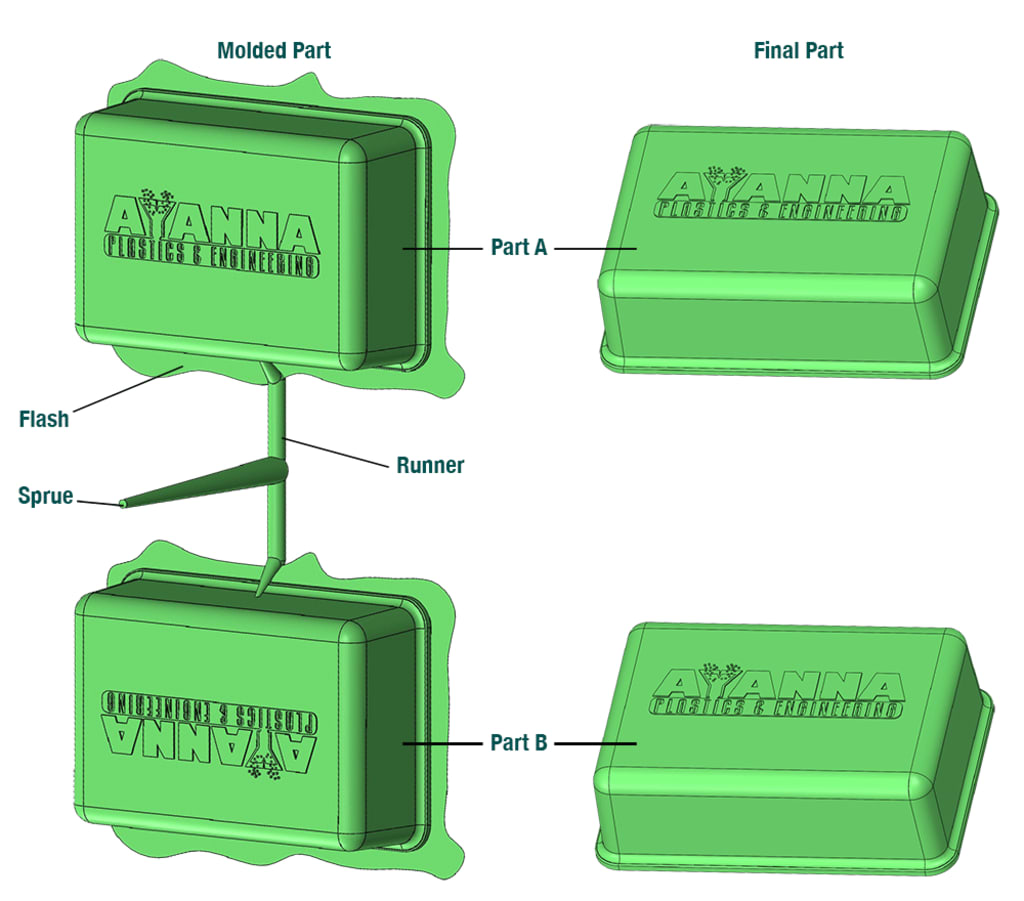
Plastic injection mold design is a critical step in the manufacturing process of plastic parts. It involves creating a precise and functional mold that will be used to shape molten plastic into a specific form. Here are the key steps and considerations in plastic injection mold design:
Product Design: Understand the product that will be produced using the mold. This includes its size, shape, material, and any special features.
Material Selection: Choose the appropriate mold material based on factors like the type of plastic to be used, expected production volume, and budget. Common materials include steel, aluminum, and pre-hardened steel.
Parting Line: Determine where the mold will split into two halves (the core and cavity). This is crucial for the design of the mold and the final part.
Gate Design: Decide on the location and type of gate (the entry point for the molten plastic) based on factors like part geometry and material flow characteristics.
Runner System: Design the channels through which molten plastic will flow from the injection unit to the cavity. This includes the sprue, runners, and gates.
Cooling System: Incorporate a cooling system to control the temperature during the molding process. Proper cooling helps in achieving consistent part quality and reducing cycle time.
Venting: Ensure that air can escape from the mold cavity during the injection process. Inadequate venting can lead to defects like burns or trapped air bubbles.
Ejector System: Design the mechanism that will push the finished part out of the mold once it's cooled and solidified.
Draft Angles: Add draft angles to the part design to facilitate easy ejection. Draft angles are tapered surfaces that allow the part to be removed from the mold without causing damage.
Surface Finish: Decide on the required surface finish for the final part. This will influence the type of tooling and finishing processes needed for the mold.
Tolerances: Specify the tolerances that must be maintained for critical dimensions. This ensures that the final parts meet the required specifications.
Tooling Considerations: Determine the type of tooling required for the mold, including the number of cavities and any additional features like slides, lifters, or inserts.
Mold Base Selection: Select the appropriate mold base that will house all the components of the mold, including the core, cavity, cooling system, and ejector system.
Assembly and Testing: Assemble the mold and conduct thorough testing to ensure it functions correctly. This may involve trial runs with molten plastic to check for any issues.
Documentation: Create detailed documentation that includes drawings, specifications, and any special instructions for mold operation and maintenance.
Mold Life Expectancy: Consider factors like production volume and material selection to estimate the expected lifespan of the mold.
Remember, precision and attention to detail are crucial in plastic injection mold design to ensure that the final parts meet quality standards consistently. Additionally, collaboration between designers, toolmakers, and manufacturers is key to successful mold design and production.
Building a plastic injection mold is a complex process that involves several stages. Below, I'll outline the key steps involved in building a plastic injection mold:
Reviewing the Design: Before building the mold, it's crucial to thoroughly review the mold design created during the design phase. This ensures that all specifications, features, and details are accurately represented.
Material Selection: Choose the appropriate material for the mold base and core/cavity inserts. Common materials include various grades of steel (such as P20, H13, or S7) or aluminum. The choice depends on factors like production volume, material type, and budget.
Machining the Mold Base: Begin by rough machining the mold base, which serves as the foundation for the entire mold. This involves removing excess material to create the basic shape.
Precision Machining: Use CNC (Computer Numerical Control) machines to perform precise machining of the mold base and core/cavity inserts. This includes milling, drilling, and EDM (Electrical Discharge Machining) operations to create the necessary features and details.
Heat Treatment: Depending on the material used, heat treatment may be necessary to improve hardness, toughness, and other mechanical properties.
Surface Finishing: Achieve the required surface finish on critical areas of the mold, especially the core and cavity. This may involve processes like polishing, grinding, or texturing to meet the specified surface quality.
Electrode Manufacturing: Create EDM electrodes to be used in the EDM process for creating complex features like deep pockets or intricate details.
EDM Operations: Use EDM machines to precisely shape the mold, especially for complex and intricate features that cannot be easily machined conventionally.
Assembly: Put together all the components of the mold, including the mold base, core, cavity, inserts, cooling channels, ejector system, and any additional features like slides or lifters.
Fitting and Alignment: Ensure that all components fit together precisely and are properly aligned. This is crucial for the mold's functionality and the quality of the final molded parts.
Fitting and Polishing: Fine-tune the fit and finish of the mold components, especially in areas where parts come into contact, to eliminate any gaps or misalignment.
Trial Molding: Conduct trial runs using the mold with molten plastic to verify that it functions correctly and produces parts that meet the required specifications.
Adjustments and Optimization: Based on the results of the trial molding, make any necessary adjustments to the mold to achieve the desired part quality and performance.
Final Inspection: Conduct a thorough inspection of the completed mold to ensure that it meets all design specifications and quality standards.
Documentation and Packaging: Create detailed documentation that includes drawings, specifications, and any special instructions for mold operation and maintenance. Properly package the mold for transportation to the production facility.
Building a plastic injection mold requires a high level of precision, expertise, and attention to detail. It's often a collaborative effort involving mold designers, toolmakers, machinists, and quality control experts. Additionally, clear communication between all parties involved is crucial for a successful mold-building process.
About the Creator
Ayanna Plastics
Ayanna Plastics & Engineering, Inc. is an ISO 9001 and ISO 13485 certified plastic injection molding company. Since 2001, Ayanna has focused on it’s core manufacturing strengths of mold design, mold building and part production.
Enjoyed the story? Support the Creator.
Subscribe for free to receive all their stories in your feed.
Comments
There are no comments for this story
Be the first to respond and start the conversation.