
Pet Care
Provide tips on how to groom your pet, such as brushing its fur and trimming its nails
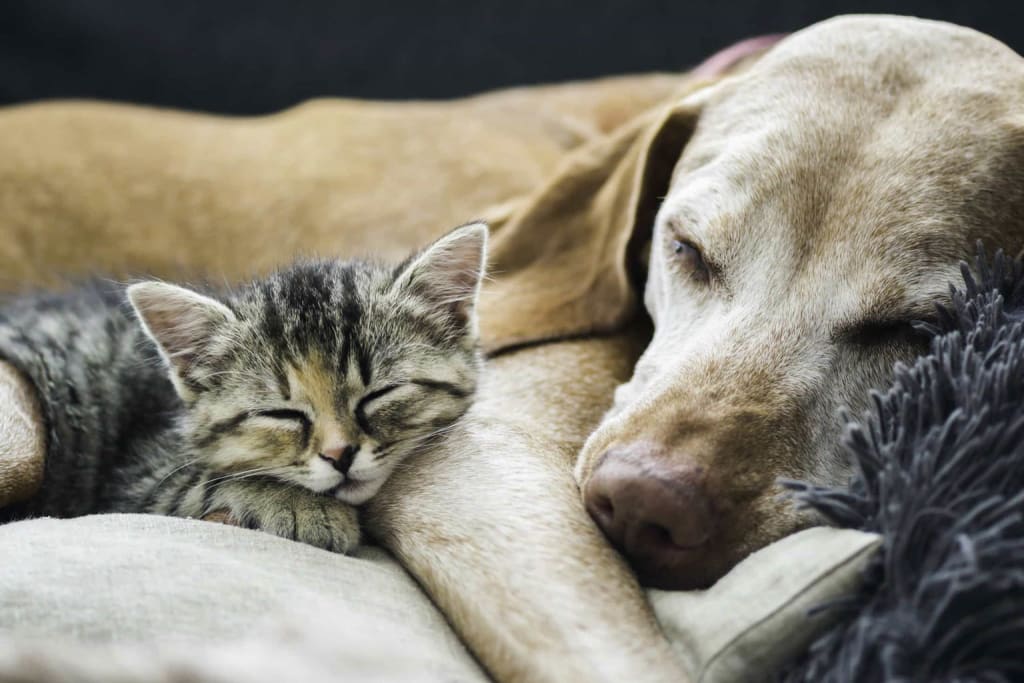
As a pet owner, you know how important it is to keep your furry friend healthy and happy. One key aspect of pet care is grooming, which includes a variety of tasks from brushing their fur to trimming their nails. Not only does proper grooming help your pet look and feel their best, but it can also prevent health issues down the road. Here are some tips to help you groom your pet effectively and efficiently.
H1: Start with the Basics
Before diving into specific grooming tasks, make sure you have the necessary tools on hand. You’ll need a pet brush or comb, pet shampoo, nail clippers or a grinder, and towels. Additionally, it’s a good idea to have some treats or toys handy to keep your pet calm and happy during the grooming proess.
H1: Brushing Your Pet’s Fur
Regular brushing is essential to keep your pet’s coat healthy and shiny. It can also help prevent matting, which can be uncomfortable for your pet. The frequency of brushing depends on your pet’s coat type, but most pets benefit from daily brushing. Use a brush or comb that is appropriate for your pet’s coat type and start at the head, working your way down to the tail. Don’t forget to brush the legs and underbelly too.
H2: Bathing Your Pet
Bathing your pet can help remove dirt and odor from their coat. However, it’s important to avoid over-bathing, which can dry out their skin and coat. Most pets only need a bath every few months, but it depends on their activity level and coat type. Use a pet shampoo that is specifically formulated for their coat and lather them up, being careful to avoid getting shampoo in their eyes or ears. Rinse thoroughly and towel dry.
H2: Trimming Your Pet’s Nails
Nail trimming can be intimidating, but it’s an important part of pet grooming. Overgrown nails can cause discomfort and even affect your pet’s gait. Start by getting your pet used to having their paws handled and touched. Then, use nail clippers or a grinder to trim their nails, being careful not to cut the quick (the pink part of the nail that contains blood vessels). If you’re unsure how to do this, ask your vet or a professional groomer for help.
H3: Cleaning Your Pet’s Ears
Cleaning your pet’s ears can help prevent infections and discomfort. Use a cotton ball or soft cloth to gently wipe the inside of their ears, being careful not to insert anything into the ear canal. If you notice any discharge or odor, contact your vet as it may be a sign of an infection.
H3: Brushing Your Pet’s Teeth
Just like humans, pets need dental care too. Regular brushing can help prevent dental problems like gum disease and tooth decay. Use a pet toothbrush and toothpaste (human toothpaste can be harmful to pets) to brush your pet’s teeth. Start slowly, getting them used to the toothbrush and paste, and gradually work up to daily brushing.
H4: Dealing with Shedding
Shedding is a natural part of pet ownership, but it can be frustrating to deal with. Regular brushing can help minimize shedding, as can a healthy diet and regular exercise. If shedding is excessive, talk to your vet as it may be a sign of an underlying health issue.
H4: Paying Attention to Skin and Coat Issues
Your pet’s coat and skin can be an indicator of their overall health. Pay attention to any changes in their coat, such as dullness, bald patches, or excessive shedding. It’s also important to watch for any signs of skin irritation or rashes, which may indicate an allergy or infection. If you notice any concerning changes, contact your vet.
H4: Don’t Forget About Grooming for Other Pets
While we’ve primarily focused on grooming dogs and cats in this article, other pets like rabbits, guinea pigs, and ferrets also benefit from regular grooming. Depending on the species, grooming may involve brushing their fur, trimming their nails, and cleaning their ears and teeth. Be sure to research the specific grooming needs of your pet to ensure they’re getting the care they need.
Conclusion
Grooming your pet is an important part of keeping them healthy and happy. From brushing their fur to trimming their nails, there are several tasks to keep in mind. By following these tips, you can ensure that your pet looks and feels their best.
FAQs
Q: How often should I groom my pet?
A: The frequency of grooming depends on your pet’s coat type and specific needs. Some pets benefit from daily brushing, while others may only need a bath every few months. Ask your vet for specific recommendations.
Q: Can I use human shampoo on my pet?
A: It’s best to use a pet shampoo that is specifically formulated for their coat. Human shampoo can be too harsh and may cause skin irritation.
Q: How do I prevent overgrown nails in my pet?
A: Regular nail trimming is key to preventing overgrown nails. Additionally, providing your pet with regular exercise can help naturally wear down their nails.
Q: How do I know if my pet has an ear infection?
A: Signs of an ear infection in pets include redness, discharge, odor, and frequent scratching of the ears. If you notice any concerning symptoms, contact your vet.
Q: Is shedding normal for pets?
A: Yes, shedding is a natural part of pet ownership. Regular brushing can help minimize shedding, but if shedding is excessive, it may be a sign of an underlying health issue.
About the Creator
Sehnaz Sultana
I love to educate people
Enjoyed the story? Support the Creator.
Subscribe for free to receive all their stories in your feed.
Comments
There are no comments for this story
Be the first to respond and start the conversation.