
Pelvic Muscles and Kegel Exercises
Tension in the Pelvic Muscles
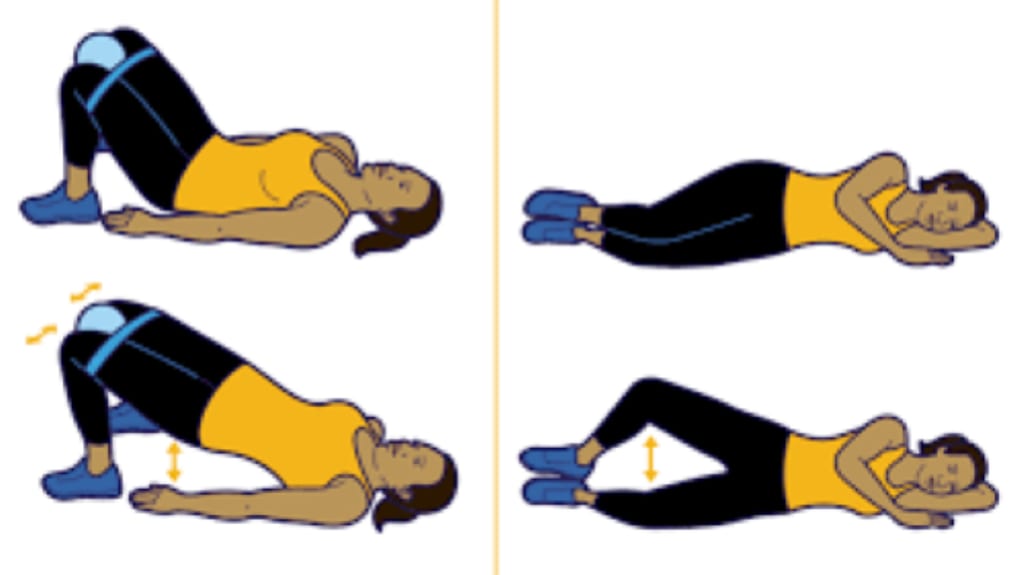
What is Pelvic Floor:
The pelvic floor muscles are a group of muscles located at the base of the pelvis, forming a supportive structure that plays several important roles in the body. These muscles act like a hammock, supporting the pelvic organs, including the bladder, uterus (in women), and rectum.
A healthy pelvic floor is essential for various bodily functions, including urination, defecation, sexual activity, and posture. When the pelvic floor is strong and healthy, it promotes normal urinary and bowel habits, enjoyable sexual experiences, and reduces the risk of back pain and related issues. Both men and women can experience pelvic floor dysfunction, which may result from factors such as overuse, stress, anxiety, poor posture, or overexertion during exercise. This dysfunction can lead to symptoms like urinary urgency, frequency, leakage, difficulty emptying the bladder, constipation, and back pain. Sexual function may also be impacted, resulting in pain during sexual activity, erections, or ejaculation.
Contraction of Pelvic Muscles:
Describing pelvic floor muscular shortening in a way that everyone can understand can be challenging. Pelvic floor muscular shortening is like clenching or tightening the muscles in the pelvic area, similar to what you might do to prevent a bowel movement. It's the opposite of the relaxation you feel just before starting a bowel movement. This tension can be subtle and gradual, making it difficult to notice at first, but it can become more noticeable over time and may lead to certain symptoms. The pelvic floor is not a muscle group that people are commonly taught to recognize or understand in daily life. As a result, many individuals may not know how to maintain the health of their pelvic floor or even recognize when it's too tight or not relaxing as it should.
Treating Pelvic Muscles:
Treating pelvic floor muscles typically involves a combination of therapeutic approaches, and the specific treatment plan will depend on the individual's condition and the underlying issues with their pelvic floor. To assess pelvic floor issues, healthcare professionals often conduct examinations. For women, this typically involves a pelvic exam, while for men, it often involves a rectal exam. These exams help determine the condition of the pelvic floor muscles and identify any tightness or tension issues that may require treatment or therapy. It's an essential step in addressing pelvic floor problems and maintaining overall health.
Kegel Exercises for a Healthy Pelvic Muscles:
Kegel exercises are designed to strengthen the pelvic floor muscles. These muscles play a crucial role in supporting the pelvic organs, including the bladder, uterus (in women), and rectum, and they help control urinary and bowel function. To perform Kegel exercises, individuals contract their pelvic floor muscles, as if trying to stop the flow of urine midstream. Hold this contraction for a few seconds, then release and relax for a few seconds. This process is typically repeated in sets, gradually increasing the duration and repetitions as the muscles become stronger.
Some of the know Kegel exercises that help the pelvic muscles:
1. Strengthening: Kegel exercises involve contracting and relaxing the pelvic floor muscles. Regularly practicing these exercises can increase the strength and endurance of these muscles over time.
2. Improving Urinary Control: Stronger pelvic floor muscles can help prevent or reduce urinary incontinence. This can be especially beneficial for women who have given birth, as childbirth can weaken these muscles.
3. Enhancing Sexual Function: Strong pelvic floor muscles can improve sexual function in both men and women. They can lead to better control over orgasms and potentially enhance sexual satisfaction.
4. Supporting Pelvic Organs: A strong pelvic floor can better support the pelvic organs, preventing conditions like pelvic organ prolapse, where the organs can descend into the vaginal canal (in women) or rectal area (in men).
It's important to note that performing Kegel exercises correctly is essential. It is recommended to learn how to do them from a healthcare professional, physical therapist, or other knowledgeable sources, as improper technique can be ineffective or potentially exacerbate issues.
About the Creator
Enjoyed the story? Support the Creator.
Subscribe for free to receive all their stories in your feed.
Comments
There are no comments for this story
Be the first to respond and start the conversation.