
Patta Chitta Tamil Nadu: A Complete Guide to Land Records
Patta Chitta Tamilnadu
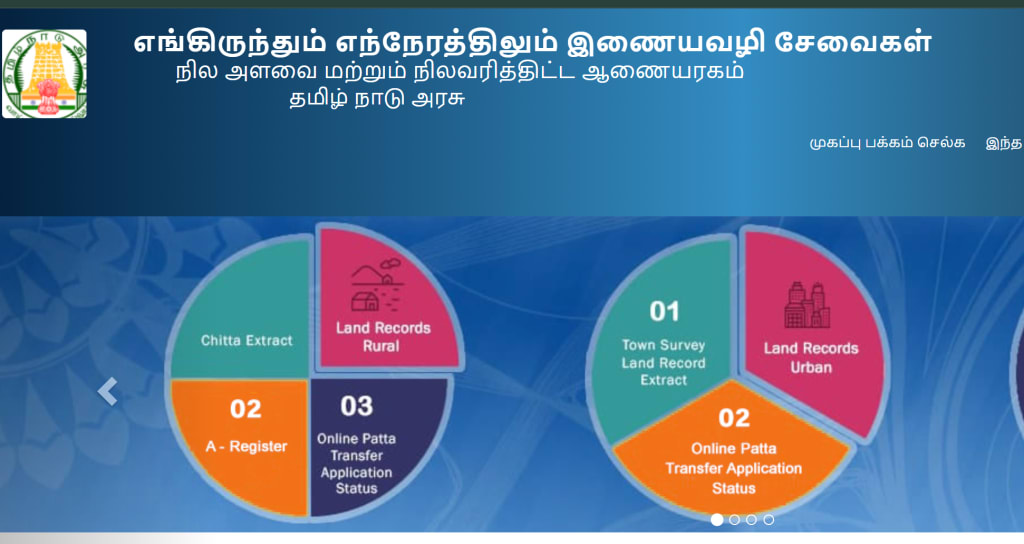
In Tamil Nadu, land ownership and related information are primarily managed through two important documents – Patta and Chitta. These land records are essential for verifying property ownership, applying for loans, selling or purchasing land, and resolving disputes.
With the advancement of digital services, the Government of Tamil Nadu has made it easier for citizens to access Patta Chitta details online through the official E-Services of Land Records portal. This article provides a comprehensive guide to Patta Chitta in Tamil Nadu, including its importance, how to apply, and how to verify records online.
What is Patta?
Patta, also known as the Record of Rights (RoR), is a government-issued document that serves as proof of legal ownership of a piece of land. It contains important details such as:
- Name of the landowner
- Survey number
- Subdivision details
- Extent of land
- Tax details
- Type of land (wet or dry)
The Patta is issued by the Tahsildar of the respective district and is essential during property transactions, applying for electricity or water connections, and for property mutation after purchase.
What is Chitta?
Chitta is another important land revenue document that provides information related to the nature and classification of the land. It is maintained by the Village Administrative Officer (VAO) and the Taluk Office. The Chitta categorizes land into two types:
- Nanjai – Land with water sources like canals, rivers, or ponds (suitable for paddy cultivation)
- Punjai – Land with limited or no water sources, usually used for dry cultivation
Chitta also contains details like the name of the landowner, survey number, and land extent. While the Tamil Nadu government has integrated Patta and Chitta into a single document over the years, the term “Patta Chitta” is still commonly used.
Purpose and Importance of Patta Chitta
Patta and Chitta documents play a vital role in land administration and legal processes. Here are some key reasons why these documents are important:
- Proof of Ownership: These documents legally establish the ownership of the land.
- Land Disputes: Useful in resolving disputes related to boundaries or ownership.
- Property Transactions: Essential for buying or selling land in Tamil Nadu.
- Loan and Mortgage: Required by banks and financial institutions when land is pledged for loans.
- Subsidies and Schemes: Needed while applying for agricultural subsidies or government schemes.
How to Apply for Patta Chitta Online
The Tamil Nadu government offers online access to Patta Chitta through the official E-Services portal. Here’s how you can apply:
- Visit the official portal: Go to https://eservices.tn.gov.in/
- Select the service: Click on “View Patta & FMB / Chitta / TSLR Extract.”
- Choose your district: Select your district and proceed.
- Enter land details: Provide details like Taluk, Village, Ward, Survey Number, and Subdivision Number.
- Submit and view: Enter the authentication code and submit to view or download the Patta Chitta extract.
The system displays the latest records, including ownership and classification, as maintained by the revenue department.
How to Verify Patta Chitta Status
You can also verify the status of your Patta Chitta application or confirm land ownership details online:
- Go to the same official portal https://eservices.tn.gov.in
- Select “Verify Patta.
- Enter the Reference Number or Application ID.
- Submit to check the status or verification result.
- This feature helps landowners ensure that their Patta details are accurate and up to date.
Difference Between Patta and Sale Deed
While both Patta and Sale Deed are important land-related documents, they serve different purposes. The Sale Deed is a legal contract between the buyer and seller during the transfer of property, while Patta is the revenue record maintained by the government that shows the name of the rightful landowner.
After purchasing land, the new owner must apply for a Patta transfer to reflect their name in the government records.
Fees and Charges
Applying or downloading Patta Chitta records from the online portal is generally free. However, for certified copies, nominal service charges may apply at the Taluk or e-Seva center. Additional charges may also be applicable if the application is processed offline or involves field verification.
Offline Application Process
If you are unable to apply online, you can visit the nearest Taluk office or Village Administrative Officer (VAO) with the necessary documents, including:
- Copy of Sale Deed
- Encumbrance Certificate
- Aadhaar Card
- Latest tax receipt
- The application will be processed, and a Patta will be issued upon verification.
Conclusion
Patta Chitta is a crucial part of Tamil Nadu’s land records system. Whether you are buying land, resolving disputes, or applying for government schemes, having your land properly recorded with accurate Patta Chitta details is essential.
Thanks to the Tamil Nadu government's e-governance initiatives, accessing land records has become much simpler, faster, and more transparent. Landowners are encouraged to regularly verify and update their land documents to ensure hassle-free ownership and management of their property.
About the Creator
Enjoyed the story? Support the Creator.
Subscribe for free to receive all their stories in your feed.
Comments