
Painful Periods
The right way to treat a woman who is suffering from periods pain

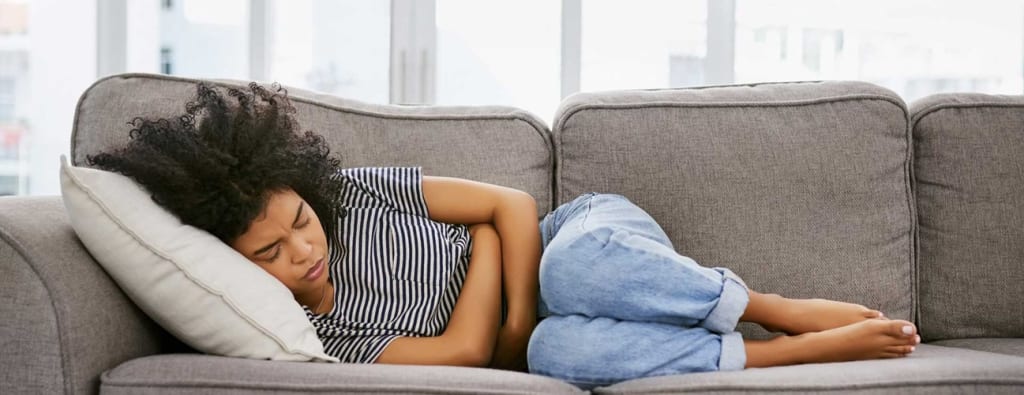
Period pain and problems are the debilitating symptoms that women face during their menstrual cycle. It is a common health issue that affects almost 80% of women worldwide. The severity of pain and symptoms may vary from individual to individual, from mild to severe, and can cause discomfort to women physically and emotionally. This essay will explore the causes, treatments, and effects of period pain and problems in women.
Period pain and problems are one of the most common issues faced by women worldwide. This essay will examine the underlying causes, effects, and treatments to manage pain and problems. The symptoms can vary from mild to severe and can impact women's daily lives by causing them physical and emotional discomfort. A range of factors can cause period pain and problems in women. The hormonal changes that occur during menstrual cycles cause the uterus to contract, which results in cramps and pain. Hormonal imbalances can lead to irregular periods and heavy bleeding, which can also cause discomfort to women. Medical conditions such as endometriosis, ovarian cysts, fibroids, pelvic inflammatory disease, and adenomyosis can also result in painful and uncomfortable periods.
There are various treatments available to manage period pain and problems. Over-the-counter pain-relieving medication, heat therapy, and exercise can provide relief to those suffering from mild symptoms. Hormonal contraception such as birth control pills, hormonal patches, and rings, can also help regulate periods by reducing pain and cramps. Cases, surgical intervention may be necessary to alleviate severe symptoms caused by underlying medical conditions.
Period pain and problems can have a significant impact on women's daily lives. It can affect their productivity at work, their relationships, and their mental health. Severe cramping and pain may limit the ability to perform daily activities and can lead to mood swings and depression. Heavy bleeding or irregular periods can cause embarrassment and discomfort. Women who experience painful periods may also experience anxiety, stress, and sleep disturbances that can affect their overall well-being.
Sarah is a 30-year-old woman who has been experiencing excruciating period pain for years. The pain affects her ability to function normally, and she needs to take time off work every month. Upon consulting her doctor, she was diagnosed with endometriosis and prescribed hormonal treatment to manage the pain.
Lena, a 25-year-old woman, experiences irregular periods and heavy bleeding, which makes it challenging for her to go about her daily routine. She was prescribed birth control pills to regulate her periods, which have helped her manage the symptoms.
Period pain and problems are common health issues experienced by women worldwide. Women need to recognize the causes, symptoms, and treatments to manage the pain and discomfort associated with it. By seeking appropriate medical intervention, women can lead healthier and more fulfilling life, free from debilitating period pain and problems. It is also necessary for society to understand and empathize with women who experience these symptoms and provide them with the necessary support and understanding.
Painful periods, also called dysmenorrhea, are a common issue among women that affects their quality of life. Women suffer from cramps, nausea, fatigue, and headaches during their monthly menstrual cycle. Even though most women experience menstrual pain at some point in their lives, many are still embarrassed to discuss it openly or seek medical attention. In this essay, we will discuss how to care for women who experience painful periods. Menstrual pain is one of the most common issues among women. While some women experience mild discomfort, others may experience severe pain that affects their daily life. It is essential to provide proper care to women who have painful periods to alleviate their discomfort and support them through their menstrual cycle.
One of the best ways to care for women who experience menstrual pain is by showing empathy and understanding toward their situation. Women who suffer from painful periods may feel embarrassed or isolated, and it is crucial to offer them emotional support. A kind gesture such as bringing them a heating pad or preparing a hot water bottle can go a long way in making them feel better. Empathy and understanding also help women feel heard and validated.
Pain-relieving medications, such as aspirin, ibuprofen, or naproxen, can help alleviate menstrual pain. These drugs work by blocking the production of prostaglandins, which cause uterine contractions and cramps. It is essential to follow the recommended dosage and avoid taking more than the prescribed limits.
Alternative therapies such as acupuncture, massage, or yoga can also help alleviate menstrual pain. Acupuncture involves the insertion of needles into specific points in the body to stimulate blood circulation and reduce pain. Massage helps relieve muscle tension, while yoga can help reduce stress and relax the body.
Everyone should be caring for women who experience painful periods and requires empathy, understanding, and supportive measures. We should create a safe environment where women can discuss their menstrual issues without fear of stigma or shame. Pain relief medications and alternative therapies can help alleviate menstrual pain, but it is essential to consult a medical professional before trying any alternative methods. By providing proper care and support to women during their menstrual cycle, we can help them manage their pain and improve their overall well-being.
About the Creator
Hafa Rabab
Hi, thanks for reading the words I write through my ability to understand and observe the world. My favorite thing is to buy books and place them on my bookshelf but that doesn't mean I don't read them.
Enjoyed the story? Support the Creator.
Subscribe for free to receive all their stories in your feed.
Comments
There are no comments for this story
Be the first to respond and start the conversation.