
Nonrestrictive Weight Control: A Holistic Approach to Sustainable Health and Wellness
A Balanced Approach to Achieving and Maintaining a Healthy Weight
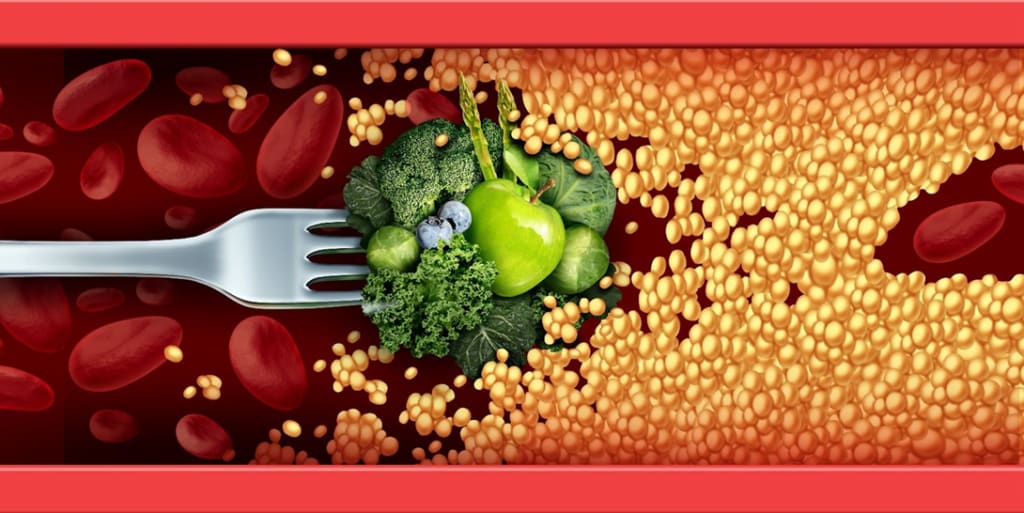
In a world that often promotes quick fixes for weight loss, the concept of nonrestrictive weight control stands as a refreshing alternative. This approach focuses not on temporary restrictions or extreme dieting methods, but on building a healthy, sustainable lifestyle that allows individuals to enjoy food, exercise, and their lives without the constant pressure of weight loss. Nonrestrictive weight control emphasizes balance, self-compassion, and the long-term goal of fostering a positive relationship with food and body image, instead of focusing solely on the number on the scale.
This article delves into the core principles of nonrestrictive weight control, explores its benefits, and provides practical tips for incorporating this lifestyle into your daily routine. Whether you are looking to lose weight, maintain a healthy weight, or simply adopt a more balanced approach to health, nonrestrictive weight control offers a sustainable path forward.
What Is Nonrestrictive Weight Control?
Nonrestrictive weight control refers to a holistic, balanced approach to weight management that does not rely on rigid dieting or extreme food restrictions. Unlike traditional weight loss methods that emphasize calorie counting, cutting out entire food groups, or eliminating "unhealthy" foods, nonrestrictive weight control encourages individuals to focus on making mindful and sustainable choices that promote both physical and mental well-being. It is an approach that prioritizes health, body positivity, and long-term lifestyle changes, rather than short-term results.
The primary goal of nonrestrictive weight control is not to enforce strict dietary rules, but rather to help individuals create a healthy relationship with food, engage in enjoyable physical activity, and foster emotional well-being. This approach is flexible, allowing individuals to adapt it to their unique needs and preferences without feeling constrained by rigid rules or external expectations. It is a way of living that encourages self-compassion, balance, and the freedom to make empowered decisions about one’s health.
Key Principles of Nonrestrictive Weight Control
Mindful Eating
Mindful eating is one of the cornerstone principles of nonrestrictive weight control. It involves paying full attention to your body’s hunger and fullness cues and eating in response to those signals, rather than eating based on emotional triggers or external cues like portion sizes or advertisements. By practicing mindful eating, individuals become more attuned to their bodies’ natural rhythms, allowing them to make more informed and conscious choices around food.
Mindful eating also promotes a positive relationship with food, helping individuals to appreciate and savor their meals. This can lead to healthier eating habits, as people are less likely to overeat or engage in emotional eating when they are fully present during meals. Over time, mindful eating can help individuals achieve a more balanced, intuitive relationship with food, making it easier to manage weight without feeling restricted or deprived.
Balanced Nutrition
One of the most important aspects of nonrestrictive weight control is balanced nutrition. Instead of cutting out entire food groups or severely limiting calories, this approach encourages individuals to eat a variety of nutrient-dense foods that nourish the body. Balanced nutrition means including a mix of fruits, vegetables, whole grains, lean proteins, and healthy fats, all while making room for occasional indulgences.
By focusing on nutrient-dense foods, individuals can support their overall health and ensure that their bodies receive the vitamins and minerals needed for optimal function. This approach eliminates the need for restrictive dieting, allowing individuals to enjoy their favorite foods in moderation without feeling guilty. The goal is to create a sustainable and enjoyable eating pattern that can be maintained in the long term.
Physical Activity that You Enjoy
Nonrestrictive weight control also emphasizes the importance of physical activity, but it takes a different approach from traditional weight loss regimens that focus on intense, calorie-burning workouts. Instead, this method encourages individuals to find forms of exercise that they genuinely enjoy, making it easier to stay active in the long term. Whether it’s going for a walk, practicing yoga, swimming, or dancing, nonrestrictive weight control encourages movement that feels good, rather than exercise that feels like a chore.
The idea is that physical activity should be a source of joy and well-being, not a punishment for eating or an obligation to reach a specific goal. When individuals find activities they enjoy, they are more likely to stay active consistently, which has numerous health benefits beyond weight control, including improved mood, energy levels, and overall physical fitness.
Emotional Well-being and Self-Compassion
A key component of nonrestrictive weight control is recognizing the role that emotional well-being plays in managing weight. Stress, anxiety, depression, and other emotional factors can significantly affect eating behaviors, leading to overeating or making unhealthy food choices. This approach acknowledges the importance of emotional health and provides strategies to manage emotional triggers without turning to food for comfort.
Nonrestrictive weight control encourages individuals to practice self-compassion and body positivity. It recognizes that weight management is not just about the number on the scale, but about creating a healthy and loving relationship with one’s body. By cultivating positive self-talk and embracing a mindset of acceptance and respect, individuals can create lasting changes that are rooted in self-care, rather than in guilt or shame.
Flexibility and Sustainability
One of the most appealing aspects of nonrestrictive weight control is its flexibility. Unlike rigid dieting plans that demand strict adherence to rules and may lead to feelings of deprivation, nonrestrictive weight control allows individuals to enjoy the foods they love in moderation, while still prioritizing their health. This flexibility makes it easier to stay on track with healthy habits, even in social situations or during holidays, without feeling like you have to “start over” every time you indulge.
Sustainability is another key factor in this approach. Nonrestrictive weight control promotes long-term health by encouraging consistent, small changes that add up over time. It’s not about rapid weight loss or extreme measures, but about creating a lifestyle that is manageable and sustainable for the long haul.
The Benefits of Nonrestrictive Weight Control
Sustainable, Long-Term Results
One of the greatest benefits of nonrestrictive weight control is that it fosters long-term success. Unlike fad diets or extreme weight loss plans that often lead to temporary results and eventual weight regain, this approach encourages healthy habits that can be maintained over time. By focusing on building sustainable practices, individuals can achieve and maintain a healthy weight without resorting to drastic measures or restrictive diets.
Improved Mental and Emotional Health
Nonrestrictive weight control has a positive impact on mental and emotional health. By reducing the stress associated with dieting and fostering a healthier relationship with food, this approach helps individuals feel more confident and positive about their bodies. It also reduces the risk of developing disordered eating habits, such as emotional eating or binge eating, by encouraging individuals to approach food in a more mindful and balanced way.
Additionally, physical activity is known to boost mood and reduce symptoms of stress and anxiety. By incorporating enjoyable exercise into daily life, individuals can improve their overall emotional well-being, creating a positive cycle of health that supports both mental and physical health.
Prevention of Disordered Eating and Dieting Patterns
Many traditional diets can lead to unhealthy behaviors, such as restrictive eating, binge eating, or obsessing over food. Nonrestrictive weight control, on the other hand, promotes a healthy, balanced relationship with food. It encourages individuals to eat when they are hungry and stop when they are full, without engaging in emotional eating or feeling guilty about food choices. By reducing the focus on restriction, this approach helps prevent the development of disordered eating patterns.
Increased Energy and Better Sleep
By focusing on nourishing the body with a variety of whole, nutrient-dense foods and engaging in regular physical activity, individuals practicing nonrestrictive weight control often experience improved energy levels. A balanced diet and regular exercise help the body function more efficiently, leading to increased vitality throughout the day.
Moreover, the mental and physical health benefits of this approach can also lead to better sleep quality. By reducing stress and creating a healthier lifestyle, individuals may experience improved sleep patterns, leading to greater overall well-being.
Flexibility in Social Situations
One of the main drawbacks of restrictive diets is their inability to accommodate social situations, such as eating out with friends or attending family celebrations. Nonrestrictive weight control offers more flexibility in these situations, as it allows individuals to enjoy food without guilt. Whether it’s a birthday cake, a holiday meal, or a night out at a restaurant, this approach enables individuals to navigate social events with confidence and ease, knowing that they are still making choices that align with their long-term health goals.
How to Implement Nonrestrictive Weight Control in Your Life
Start with Mindful Eating
The first step in adopting nonrestrictive weight control is practicing mindful eating. Begin by paying attention to how your body feels before, during, and after eating. Try to eat without distractions, such as television or phones, and take time to savor each bite. Listen to your body’s hunger and fullness cues, and avoid eating out of boredom or emotion.
Focus on Whole, Nutrient-Dense Foods
While nonrestrictive weight control allows for flexibility, it’s still important to prioritize whole, nutrient-dense foods that nourish your body. Aim to include a variety of fruits, vegetables, whole grains, lean proteins, and healthy fats in your meals. By fueling your body with the nutrients it needs, you can maintain your energy levels and overall health.
Find Activities You Enjoy
Physical activity is a key part of nonrestrictive weight control, but it’s important to find exercise that you truly enjoy. Whether it’s yoga, walking, dancing, or hiking, choose activities that make you feel good and motivate you to stay active. The more enjoyable the activity, the easier it will be to make it a regular part of your routine.
Practice Self-Compassion and Patience
Weight management is a long-term journey, and it’s important to be patient with yourself along the way. Practice self-compassion and avoid falling into negative self-talk when things don’t go as planned. Remember that setbacks are a normal part of the process, and each day is an opportunity to make healthier choices.
Embrace Flexibility and Enjoy Life
Finally, embrace the flexibility that comes with nonrestrictive weight control. Life is full of celebrations, social events, and moments of indulgence. Instead of feeling guilty or stressed about enjoying food, embrace it as part of the journey. The goal is not perfection, but balance—creating a lifestyle that allows you to enjoy life while prioritizing your health and well-being.
Conclusion
Nonrestrictive weight control offers a sustainable, holistic approach to managing weight and overall health. By focusing on mindful eating, balanced nutrition, enjoyable physical activity, and emotional well-being, this approach helps individuals create lasting habits that promote long-term health. Whether you’re looking to lose weight, maintain a healthy weight, or simply improve your overall lifestyle, nonrestrictive weight control provides the flexibility and sustainability needed to achieve your goals. It’s not about restriction, but about embracing balance, self-compassion, and the freedom to live a healthy, fulfilling life.
About the Creator
Enjoyed the story? Support the Creator.
Subscribe for free to receive all their stories in your feed.
Comments
There are no comments for this story
Be the first to respond and start the conversation.