
Nonrestrictive Cholesterol Control: A Balanced and Sustainable Approach to Heart Health
The Benefits of Nonrestrictive Cholesterol Control: Sustainable and Balanced Strategies
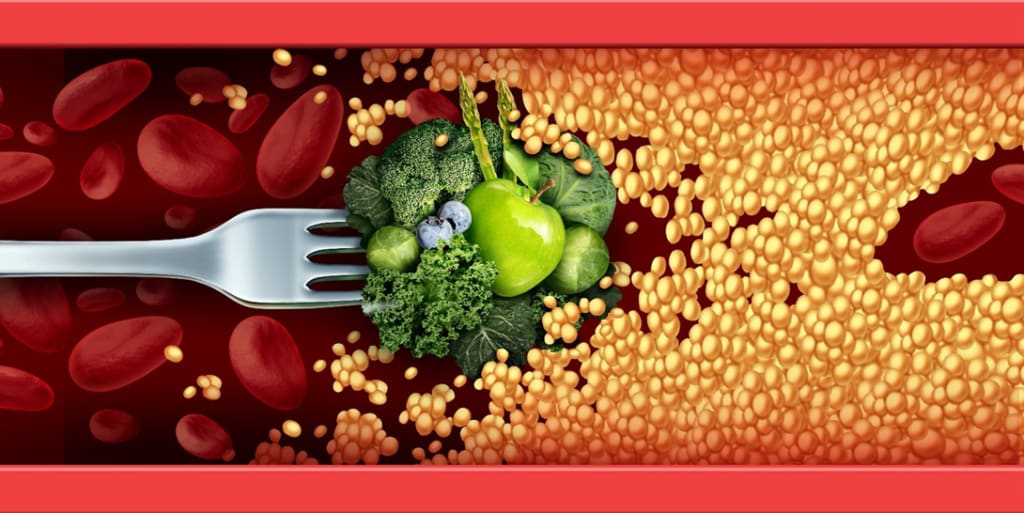
Cholesterol management is a crucial aspect of maintaining cardiovascular health. However, traditional methods often emphasize restrictive diets, eliminating entire food groups or imposing strict guidelines about what to eat. This type of approach can lead to frustration, fatigue, and a negative relationship with food. On the other hand, nonrestrictive cholesterol control focuses on promoting heart health through balanced, sustainable habits, without resorting to severe limitations or depriving yourself of the foods you enjoy.
Nonrestrictive cholesterol control encourages individuals to make heart-healthy choices that fit within their lifestyle, rather than focusing on perfection or adherence to rigid rules. By embracing a more flexible approach, it is possible to manage cholesterol levels while fostering a positive relationship with food. In this article, we will explore the principles of nonrestrictive cholesterol control, how it differs from restrictive approaches, and practical strategies to help you achieve healthier cholesterol levels without feeling deprived.
What is Nonrestrictive Cholesterol Control?
Nonrestrictive cholesterol control is an approach to managing cholesterol levels that prioritizes balance, flexibility, and long-term sustainability. Unlike restrictive diets that focus on eliminating foods or adhering to strict rules, nonrestrictive cholesterol control allows individuals to make informed and mindful decisions that promote cardiovascular health while still enjoying a variety of foods.
Rather than solely concentrating on reducing fat or eliminating certain ingredients, this approach emphasizes overall dietary patterns, lifestyle choices, and habits that contribute to healthy cholesterol levels. Nonrestrictive cholesterol control focuses on moderation and flexibility, encouraging individuals to adopt healthier behaviors that they can maintain over the long term.
The Core Principles of Nonrestrictive Cholesterol Control
1. Focus on Heart-Healthy Foods
A major principle of nonrestrictive cholesterol control is emphasizing heart-healthy foods that support healthy cholesterol levels. These foods include:
o Fruits and vegetables: Rich in fiber, vitamins, and antioxidants, fruits and vegetables play a vital role in lowering LDL (bad) cholesterol and promoting overall heart health.
o Whole grains: Whole grains like oats, quinoa, barley, and brown rice contain soluble fiber, which helps reduce cholesterol absorption in the bloodstream.
o Healthy fats: Unsaturated fats, found in foods like olive oil, avocados, nuts, and seeds, can lower harmful cholesterol levels and promote cardiovascular health.
o Lean proteins: Fish, legumes, tofu, and poultry are great sources of lean protein that support cholesterol control without contributing to high saturated fat levels.
The key is to focus on nutrient-dense foods while avoiding excessive intake of processed, high-sugar, or high-fat foods. However, nonrestrictive cholesterol control does not require cutting out foods entirely, but rather finding a healthy balance.
2. Mindful Eating
Nonrestrictive cholesterol control encourages mindful eating—paying attention to hunger cues, eating slowly, and being present during meals. Mindful eating helps individuals make better choices, control portion sizes, and reduce overeating, all of which contribute to maintaining healthy cholesterol levels.
By being mindful of what and when you eat, you can begin to recognize your body’s true hunger and fullness signals, which can help you make more thoughtful decisions regarding food. This practice also reduces the temptation to engage in emotional or mindless eating, both of which can negatively affect cholesterol levels.
3. Moderation, Not Perfection
One of the central tenets of nonrestrictive cholesterol control is moderation. Unlike restrictive diets that demand perfection, nonrestrictive cholesterol control emphasizes the importance of making balanced choices most of the time, without expecting every meal to be perfect.
It is entirely possible to include occasional indulgences in your diet—whether it's enjoying a favorite treat or having a meal out with friends—without compromising your cholesterol management goals. Moderation allows for flexibility, ensuring that you do not feel deprived or overwhelmed by rigid food rules.
4. Physical Activity
Exercise is an essential component of nonrestrictive cholesterol control. Regular physical activity helps improve cholesterol by raising HDL (good) cholesterol and lowering LDL (bad) cholesterol. Exercise also reduces triglycerides, another type of fat in the bloodstream, and supports overall cardiovascular health.
The key to successful long-term cholesterol management is finding physical activities you enjoy and can do consistently. Whether it’s walking, cycling, swimming, dancing, or another form of exercise, moving your body regularly has a significant impact on cholesterol levels.
Nonrestrictive cholesterol control emphasizes the importance of making exercise a natural part of your routine—something that feels rewarding rather than forced. By choosing activities you enjoy, you are more likely to stick with them and reap the benefits of improved cholesterol levels and heart health.
5. Emotional Well-Being and Stress Management
Mental and emotional health plays a significant role in overall well-being, including cholesterol management. Chronic stress can lead to overeating, poor food choices, and higher cholesterol levels. Nonrestrictive cholesterol control encourages managing stress and promoting emotional health to support heart health.
Techniques such as meditation, deep breathing exercises, yoga, and spending time with loved ones can help reduce stress and anxiety, improving both your emotional and physical health. By focusing on emotional well-being, individuals are better equipped to make healthy choices and avoid emotional eating that could negatively impact cholesterol levels.
The Benefits of Nonrestrictive Cholesterol Control
1. Sustainability and Long-Term Results
Nonrestrictive cholesterol control is a sustainable approach that promotes lasting change. Unlike restrictive diets that are difficult to maintain, nonrestrictive cholesterol control focuses on creating lifelong habits that support healthy cholesterol levels. By adopting small, manageable changes and focusing on balance, individuals are more likely to stick with the program over time.
This approach reduces the likelihood of yo-yo dieting or extreme weight fluctuations, which can negatively affect cholesterol levels and heart health. Instead, nonrestrictive cholesterol control fosters consistency and long-term results.
2. Improved Relationship with Food
Many restrictive diets create a negative relationship with food, leading to guilt, stress, and anxiety around eating. Nonrestrictive cholesterol control, on the other hand, encourages a healthy and balanced relationship with food. By practicing moderation and mindful eating, individuals can learn to enjoy food without feeling guilty or fearful.
This approach also reduces the temptation to binge or overeat, as individuals can enjoy the foods they love in reasonable portions. With nonrestrictive cholesterol control, food is seen as a source of nourishment and enjoyment, rather than something to be controlled or feared.
3. Better Mental and Physical Health
Nonrestrictive cholesterol control doesn’t just improve cholesterol levels; it also supports overall mental and physical health. By adopting healthy eating habits, incorporating physical activity, and reducing stress, individuals can enjoy better energy levels, improved mood, and enhanced well-being.
This approach also reduces the risk of chronic diseases, such as hypertension, diabetes, and obesity, which are often linked to unhealthy cholesterol levels. In addition, nonrestrictive cholesterol control helps individuals maintain a healthy weight without focusing on drastic dieting or extreme restrictions.
4. Prevention of Heart Disease
High cholesterol is a significant risk factor for cardiovascular disease, including heart attack and stroke. By adopting nonrestrictive cholesterol control, individuals can lower their LDL (bad) cholesterol levels, increase HDL (good) cholesterol, and reduce their risk of heart disease over time. This approach also helps manage triglyceride levels, another contributor to cardiovascular risk.
Nonrestrictive cholesterol control emphasizes a holistic, long-term strategy for preventing heart disease rather than relying on quick fixes or temporary diets.
5. Personal Empowerment
Nonrestrictive cholesterol control empowers individuals to take charge of their health without feeling restricted or overwhelmed by diet rules. By focusing on balance and moderation, individuals can make choices that are aligned with their health goals while still enjoying food and life. This empowerment builds confidence, making it easier to maintain healthy habits and improve cholesterol levels.
Practical Strategies for Nonrestrictive Cholesterol Control
1. Increase Fiber Intake
Soluble fiber is known to help reduce LDL cholesterol levels by binding to cholesterol in the digestive system and removing it from the body. Foods such as oats, beans, lentils, fruits, and vegetables are great sources of fiber. Aim to incorporate more of these foods into your daily meals.
2. Choose Healthy Fats
Opt for unsaturated fats found in foods like olive oil, avocados, nuts, and seeds. These fats help lower bad cholesterol levels and promote heart health. Limit the consumption of saturated fats and trans fats, which can raise LDL cholesterol.
3. Exercise Regularly
Aim for at least 30 minutes of moderate-intensity exercise most days of the week. Activities like walking, swimming, and cycling can help raise HDL (good) cholesterol and lower LDL (bad) cholesterol. Find activities you enjoy to make exercise an enjoyable part of your routine.
4. Practice Mindful Eating
Pay attention to hunger and fullness cues, eat slowly, and savor each bite. Mindful eating helps prevent overeating and promotes healthier food choices, contributing to better cholesterol management.
5. Manage Stress
Incorporate stress-reducing practices, such as meditation, yoga, or deep breathing, into your routine. Reducing stress helps improve emotional well-being and supports healthier cholesterol levels.
Conclusion
Nonrestrictive cholesterol control is a holistic and sustainable approach to managing cholesterol levels that focuses on balance, moderation, and mindful choices. By prioritizing heart-healthy foods, engaging in regular physical activity, practicing mindful eating, and reducing stress, individuals can improve their cholesterol levels without the need for restrictive diets or extreme measures.
This approach fosters a healthy relationship with food and supports long-term cardiovascular health, empowering individuals to make informed decisions that promote overall well-being. Nonrestrictive cholesterol control is not about perfection—it's about finding balance and making choices that contribute to better health for years to come.
About the Creator
Enjoyed the story? Support the Creator.
Subscribe for free to receive all their stories in your feed.
Comments
There are no comments for this story
Be the first to respond and start the conversation.