
NEUROSCIENTIST: You will NEVER LACK Motivation Again!
Train Your Brain Accordingly.



#Outline of the Article#
1. Introduction
- Importance of achieving a better relationship with activities and the dopamine system
- The impact of dopamine on discipline, hard work, and motivation
2. Understanding the Challenges of Hard Work
- Common dislike for hard work
- The role of rewards in motivating hard work
- Dopamine's relationship with our perception of time
3. The Intrinsic vs. Extrinsic Reinforcement Experiment
- The experiment conducted at Stanford with children and rewards
- Effects of rewards on intrinsic motivation
4. Dopamine and Perception of Time
- How dopamine affects the way we experience time
- Extending the time perception through rewards
- Disassociation of dopamine and reward circuits during activities
5. Growth Mindset and Effort
- Introduction to the concept of growth mindset
- Striving for improvement and the role of effort
- Benefits of growth mindset in achieving better results
6. Cultivating a Reward System from Effort
- The neural mechanism of accessing rewards from effort
- Challenges in associating pleasure with effort
- Training the brain to release dopamine during challenging tasks
7. The Negative Effects of Goal-Oriented Thinking
- Focusing solely on the end goal and its impact on enjoyment
- Decreased efficiency and motivation during the activity
- Importance of finding pleasure in the process
8. Techniques for Accessing Dopamine from Effort
- Embracing the pain and acknowledging the reward
- Changing the perception of effort as a choice and an act of love
- Reframing the meaning of effort to enhance dopamine release
9. Real-Life Examples and Role Models
- David Goggins as an example of turning effort into reward
- Other individuals who have harnessed the power of effort-based rewards
- Celebrating the accomplishments of those who embrace the process
10. Overcoming Obstacles to Dopamine Release from Effort
- Factors that hinder dopamine release from effort
- Avoiding dopamine spikes before and after engaging in effort
- The importance of deriving dopamine from the act itself
11. Conclusion
- Recap of the key points discussed
- Emphasizing the accessibility of effort-based dopamine release
- Encouragement to cultivate a rewarding mindset towards hard work
12. FAQs
1. Can anyone learn to access dopamine from effort?
2. How long does it take to rewire the brain for effort-based rewards?
3. What are some practical strategies to associate pleasure with effort?
4. Are rewards always counterproductive for intrinsic motivation?
5. Can dopamine release from effort improve overall well-being?
Tuning Up Your Dopamine System for Discipline, Hard Work, and Motivation

Introduction
Achieving a productive and fulfilling life requires discipline, hard work, and motivation. However, for many people, working hard is a daunting task. While rewards can serve as effective motivators, they can also pose challenges when it comes to sustained effort. In this article, we will explore the relationship between activities, the dopamine system, and the perception of time. By understanding this connection, we will uncover a protocol that can help you tune up your dopamine system, enabling you to embrace discipline, hard work, and motivation.
Understanding the Challenges of Hard Work

Hard work is often met with resistance and reluctance. Most individuals prefer to avoid strenuous efforts unless they are driven by a specific end goal. This aversion to hard work stems from the way dopamine, a neurotransmitter associated with pleasure and
reward, influences our perception of time. The anticipation of a reward after the completion of a task can make the process of hard work more challenging and decrease our willingness to engage in it again in the future.
The Intrinsic vs. Extrinsic Reinforcement Experiment
A classic experiment conducted at Stanford University examined the effects of rewards on intrinsic motivation. Children who enjoyed drawing were initially rewarded with gold stars for their artwork. However, once the rewards were discontinued, the children exhibited a decreased inclination to draw on their own. This experiment highlights the concept of intrinsic versus extrinsic reinforcement. When rewards are introduced, the pleasure associated with the activity itself diminishes, as the focus shifts solely to obtaining the reward.
Dopamine and Perception of Time
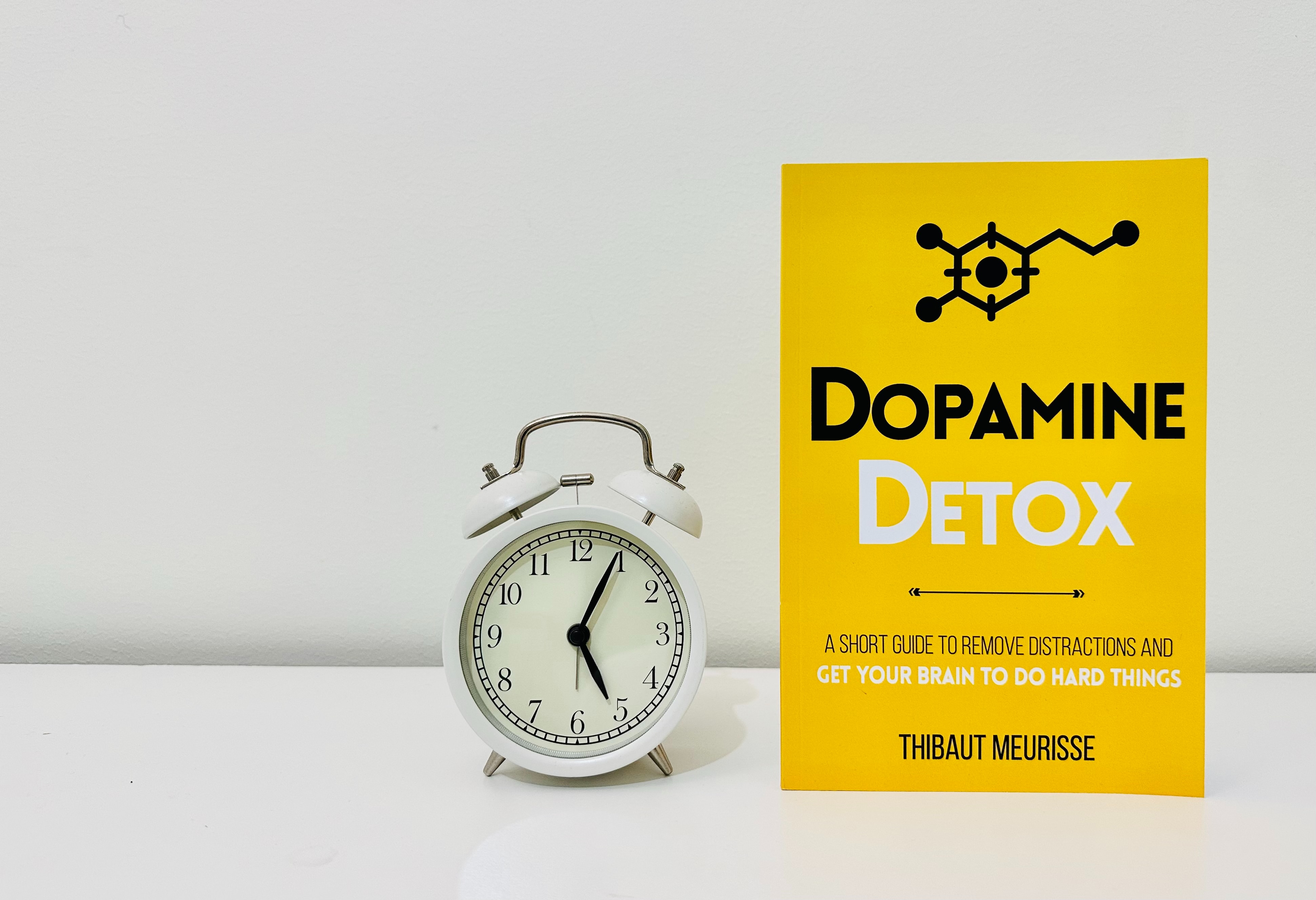
Dopamine plays a crucial role in our perception of time. The presence of dopamine in our brain allows us to carve our experience of time into meaningful intervals. Engaging in activities such as work, school, or exercise while anticipating a future reward elongates the time frame over which we analyze and perceive the experience. Consequently, the neural circuits associated with dopamine and reward become dissociated from the activity itself, leading to a gradual decrease in pleasure derived from the task as it unfolds.
Growth Mindset and Effort

Psychologist Carol Dweck's concept of growth mindset emphasizes the importance of embracing effort and continuous improvement. Individuals with a growth mindset view the process of striving and exerting effort as the ultimate goal. This mindset has been consistently associated with enhanced performance and achievement. By shifting our focus from the end goal to the effort itself, we can tap into the power of growth mindset and leverage it to excel in various endeavors.
Cultivating a Reward System from Effort
Cultivating a reward system that originates from effort is a transformative approach to harnessing the power of dopamine. This involves training our brain to release dopamine during challenging tasks, thereby associating pleasure with effort. Although this may initially seem counterintuitive, it is possible to rewire our neural pathways to derive satisfaction and motivation from the friction and challenge inherent in the pursuit of our goals.
The Negative Effects of Goal-Oriented Thinking
Solely focusing on the end goal can undermine the enjoyment and efficiency of the process itself. When our attention is fixated on the reward awaiting us at the finish line, we diminish the pleasure we derive from the activity in real-time. This not only hampers our immediate experience but also impairs our overall efficiency. By solely relying on external rewards, we undermine our ability to fully engage and find intrinsic satisfaction in the effort required to achieve our goals.
Techniques for Accessing Dopamine from Effort

To maximize the benefits of effort and amplify its impact on our endeavors, it is essential to adopt techniques that enable us to access dopamine from the act of exertion itself. One effective approach is to embrace the pain and discomfort associated with effort and acknowledge the future release of dopamine as a reward. This requires consciously choosing effort and convincing ourselves that we genuinely love the process, even if it feels physically or mentally taxing.
Real-Life Examples and Role Models
Numerous individuals have exemplified the transformational power of turning effort into a reward. David Goggins, a former Navy SEAL, serves as a remarkable role model in this regard. His journey emphasizes the ability to reframe effort as a pleasurable experience and unlock extraordinary achievements. By celebrating such individuals and their accomplishments, we can draw inspiration and motivate ourselves to embrace the process of effort.
Overcoming Obstacles to Dopamine Release from Effort

Various factors can impede our ability to derive dopamine release from effort itself. One crucial aspect is to avoid artificially spiking dopamine levels before or after engaging in effort. Instead, we should strive to generate dopamine from the effort itself by training
our brain to associate pleasure with the challenges we face. This rewiring of our neural pathways empowers us to access the full potential of dopamine as an amplifier for our hard work.
In conclusion, optimizing our relationship with effort and the dopamine system can significantly enhance discipline, motivation, and hard work. By reframing effort as intrinsically rewarding and cultivating a growth mindset, we can tap into the power of dopamine to amplify our achievements. Shifting our focus from external rewards to the pleasure derived from exertion allows us to fully engage in challenging tasks, increasing our efficiency and long-term satisfaction. Embracing effort as the ultimate reward paves the way for personal growth and extraordinary accomplishments.
Frequently Asked Questions (FAQs)
**Q1:** Why do rewards diminish our enjoyment of an activity?
**Q2:** How does dopamine affect our perception of time?
**Q3:** What is a growth mindset, and how does it relate to effort?
**Q4:** Can we train our brain to find pleasure in effort?
**Q5:** What are some practical techniques to access dopamine from effort?
**Q6:** Who are some real-life examples of individuals who have successfully turned effort into a reward?
**Q7:** What factors can hinder our ability to derive dopamine release from effort?
**Q8:** How can we avoid relying solely on external rewards?
**Q9:** How does embracing effort as a reward lead to personal growth?
**Q10:** What are the benefits of cultivating a reward system from effort?
-
In this article, we have explored the fascinating connection between effort, dopamine, and our perception of time. By understanding the intricacies of this relationship, we can optimize our approach to hard work, discipline, and motivation. Remember, the true reward lies not just in the end goal but also in the journey of effort itself. Embrace the challenges, rewire your brain, and unlock your full potential.
About the Creator
HadiAbbas
Helping people in finding a purpose of life through some writing
Enjoyed the story? Support the Creator.
Subscribe for free to receive all their stories in your feed.
Comments
There are no comments for this story
Be the first to respond and start the conversation.