
Nelson Monfort: The Enduring Voice of French Sports Broadcasting
"How a Multilingual Journalist Became One of France’s Most Recognizable Sports Broadcasters" "The Career, Interviews, and Lasting Influence of a French Television Icon" "From Olympic Arenas to Grand Slam Courts: Nelson Monfort’s Journey in Sports Media" "The Story Behind the Voice That Connected French Audiences to Global Sporting Moments" "Exploring the Legacy of a Broadcaster Who Brought Athletes’ Stories to Life"
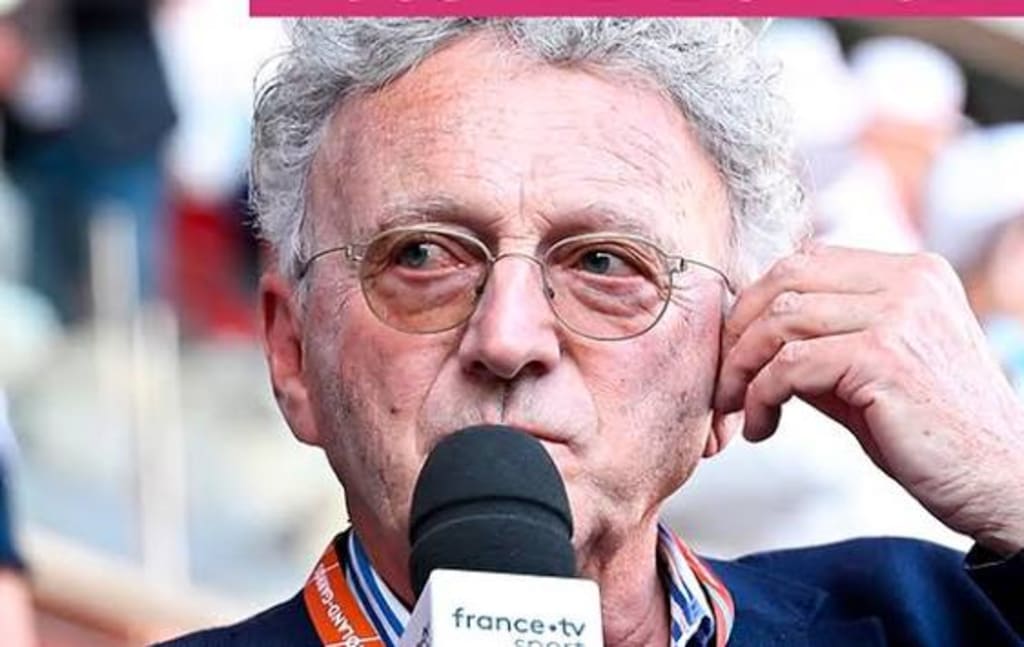
For decades, Nelson Monfort has been one of the most recognizable faces and voices in French sports journalism. Known for his multilingual interviewing skills, distinctive presentation style, and ability to connect with athletes from around the world, Monfort has become a familiar figure to generations of sports fans. His long career has coincided with some of the most memorable moments in international sport, making him an important part of France’s broadcasting landscape.
Born on March 12, 1953, in Boulogne-Billancourt, France, Nelson Monfort developed an early interest in languages, communication, and international culture. These interests would later become defining features of his professional career. Unlike many sports journalists who focus primarily on reporting results and statistics, Monfort became known for his ability to communicate directly with athletes in their native languages, creating interviews that often felt more personal and engaging.
Monfort’s broadcasting career began during a period when sports television was expanding rapidly across Europe. As international competitions gained larger audiences, broadcasters increasingly sought journalists capable of covering events involving athletes from different countries and cultures. Monfort’s fluency in English and his strong communication skills quickly made him a valuable asset.
His association with France Télévisions helped establish him as one of the country's leading sports presenters. Over the years, he covered a wide range of sporting events, including the Olympic Games, tennis tournaments, figure skating competitions, athletics championships, and cycling races. His versatility allowed him to move comfortably between different sports while maintaining a consistent on-screen presence.
One of the characteristics that made Monfort stand out was his interviewing style. Rather than focusing solely on technical questions, he often explored the emotions and experiences behind athletic performances. Whether speaking with a champion moments after victory or an athlete dealing with disappointment, he sought to reveal the human side of competition.
Tennis became one of the sports most closely associated with Monfort. His interviews at major tournaments introduced French audiences to some of the biggest names in international tennis. Players from different countries often appreciated his ability to communicate with them directly and respectfully, helping create memorable television moments.
The Olympic Games also played a major role in Monfort’s career. Covering multiple editions of the Olympics allowed him to witness historic achievements across numerous sports. These events showcased his ability to adapt quickly, moving from one competition to another while providing insightful commentary and conducting interviews under intense time pressure.
Beyond his work as a journalist, Monfort became a public personality in France. His recognizable voice, formal presentation style, and enthusiasm for sport made him a familiar figure even among people who did not follow every event he covered. As a result, he occasionally appeared in entertainment programs and public events outside traditional sports broadcasting.
Throughout his career, Monfort demonstrated the importance of preparation in journalism. Conducting interviews with elite athletes requires not only knowledge of the sport but also an understanding of the individual being interviewed. His reputation for professionalism was built on careful research and a genuine interest in the people whose stories he helped tell.
Sports journalism changed dramatically during Monfort’s years in broadcasting. The rise of digital media, social platforms, and continuous news coverage transformed how audiences consume sports content. Despite these changes, Monfort remained relevant by adapting to new formats while maintaining the qualities that initially made him successful.
His longevity in the profession is particularly notable. Sports broadcasting can be highly competitive, with new commentators and presenters constantly entering the field. Remaining a prominent figure for decades requires credibility, consistency, and the trust of both audiences and colleagues. Monfort managed to achieve that rare level of professional endurance.
Critics and supporters alike have recognized his unique contribution to French television. While every public figure attracts differing opinions, few would dispute his influence on sports broadcasting in France. His interviews have become part of the memories associated with countless sporting events, helping audiences connect with athletes on a more personal level.
Monfort’s career also reflects the growing international nature of modern sport. Competitions today bring together participants from every corner of the globe, and effective communication has become increasingly important. His multilingual abilities allowed him to bridge cultural differences and create conversations that resonated with diverse audiences.
As younger generations of journalists enter the profession, Monfort’s career offers valuable lessons about preparation, communication, and adaptability. Technology may continue to change the media industry, but the ability to ask thoughtful questions and connect with people remains at the heart of effective journalism.
Today, Nelson Monfort remains a respected figure in French media. His decades of experience, commitment to sports coverage, and distinctive approach to interviewing have secured his place in the history of French broadcasting. For many viewers, major sporting events would not feel quite the same without the familiar presence of a journalist who has spent much of his life bringing the stories behind the competition to audiences across France.
His legacy extends beyond individual interviews or specific events. It lies in the way he helped shape sports journalism as a profession, demonstrating that understanding people can be just as important as understanding the games they play.
About the Creator
Enjoyed the story? Support the Creator.
Subscribe for free to receive all their stories in your feed.
Comments
There are no comments for this story
Be the first to respond and start the conversation.