
Navigating Compliance in Dental Website Design: HIPAA and ADA Guidelines
Ensuring Privacy, Accessibility, and Trust: Navigating HIPAA and ADA Guidelines in Dental Website Design

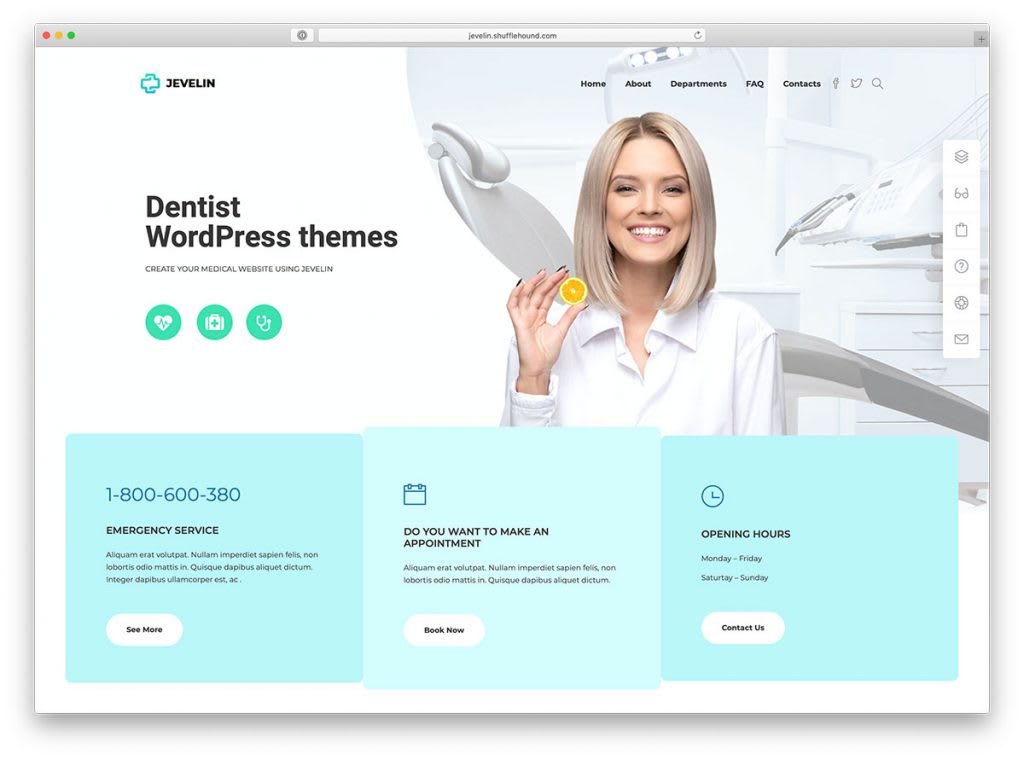
Dental practices must not only create visually appealing and user-friendly websites but also ensure compliance with legal and ethical guidelines. Two crucial considerations in dental website design are adhering to the Health Insurance Portability and Accountability Act (HIPAA) and the Americans with Disabilities Act (ADA). In this article, we will explore the importance of compliance in dental website design, provide an overview of HIPAA and ADA guidelines, and offer practical strategies for navigating these regulations effectively.
Understanding HIPAA Compliance in Dental Website Design:
- Overview of HIPAA: Explore the key provisions and objectives of HIPAA, which aim to safeguard patients' protected health information (PHI) and ensure its confidentiality, integrity, and availability.
- HIPAA and Dental Websites: Understand how HIPAA regulations apply to dental websites, particularly when collecting patient information through online forms, appointment scheduling, or patient portals.
- Securing Patient Data: Discuss best practices for securing patient data on dental websites, including the use of encryption, secure servers, SSL certificates, and compliant data storage systems.
- Privacy Policies and Consent: Highlight the importance of having clear privacy policies that outline how patient information is collected, used, and stored. Discuss obtaining informed consent for the collection and processing of patient data.
ADA Compliance in Dental Website Design:
- Introduction to ADA: Provide an overview of the Americans with Disabilities Act and its importance in ensuring equal access to digital content for individuals with disabilities.
- Web Content Accessibility Guidelines (WCAG): Familiarize readers with WCAG 2.1 guidelines, which serve as the standard for making websites accessible. Discuss key WCAG principles, including perceivability, operability, understandability, and robustness.
- Accessibility Considerations in Dental Websites: Highlight specific elements that require attention in dental website design, such as alternative text for images, proper heading structure, keyboard accessibility, and color contrast ratios.
- Assistive Technologies: Discuss the importance of testing dental websites with assistive technologies like screen readers, magnifiers, and voice recognition software to ensure compatibility and usability for individuals with disabilities.
Practical Strategies for Compliance:
- Partnering with Experienced Professionals: Consider collaborating with web developers and designers experienced in HIPAA and ADA compliance to ensure that your dental website meets the necessary guidelines.
- Conducting Regular Audits: Regularly review and assess your dental website for compliance, identifying any potential areas of improvement or non-compliance.
- Educating Staff: Train your staff on HIPAA and ADA compliance, emphasizing the importance of handling patient information securely and ensuring the accessibility of digital content.
- Staying Updated: Keep abreast of changes and updates in HIPAA and ADA regulations to ensure ongoing compliance as technology and standards evolve.
How to Hire a Professional Dental Website Designer?
Finding the right dental website designer can be a daunting task. In this blog post, here is a step-by-step guide on how to hire a professional dental website designer who can create an engaging, functional, and visually appealing website that reflects your practice's unique identity.
Define Your Goals and Requirements:
Before starting your search for a dental website designer, clearly define your goals and requirements. Consider the purpose of your website, the features you desire, and the overall design aesthetic that aligns with your practice. This will help you communicate your vision effectively to potential designers.
Research and Review Portfolios:
Conduct thorough research to identify reputable dental website designers. Explore their websites and portfolios to assess the quality of their work. Look for websites that showcase a clean and intuitive design, visual appeal, and effective user experience. Pay attention to their expertise in dental website design and their ability to capture the essence of different dental practices.
Check for Dental Industry Experience:
While browsing portfolios, prioritize dental website designers with experience in the dental industry. Familiarity with dental terminology, procedures, and regulations can greatly enhance the designer's ability to create a website that effectively represents your practice. Ask for references from their previous dental clients to gauge their expertise and client satisfaction.
Evaluate Design Skills and Creativity:
Assess the designer's design skills and creativity by reviewing their portfolio and asking for design mock-ups or samples specific to your practice. Look for designers who can create unique and visually appealing websites while maintaining a professional and cohesive brand image. Consider their ability to balance aesthetics with user-friendly navigation and functionality.
Consider Responsive and Mobile-Friendly Design:
In today's mobile-driven world, responsive and mobile-friendly design is vital. Ensure that the designer you choose can create a website that adapts seamlessly to different devices and screen sizes. Mobile compatibility is essential for providing a positive user experience and optimizing your website's visibility on search engines.
Communication and Collaboration:
Effective communication and collaboration are essential throughout the website design process. Choose a designer who is responsive, listens attentively to your ideas and requirements, and communicates clearly. A designer who values your input and actively engages in discussions will help ensure that your vision is accurately translated into the final website design.
Check for Ongoing Support and Maintenance:
Inquire about the designer's post-launch support and maintenance services. A professional dental website designer should provide ongoing technical support, regular updates, and security measures to ensure your website remains functional and up to date. Discuss the terms and costs associated with these services before finalizing the contract.
In a Nutshell:
Navigating compliance in dental website design is of paramount importance for safeguarding patient data and ensuring equal access for all users. By understanding and adhering to HIPAA and ADA guidelines, dental practices can create websites that prioritize patient privacy, security, and accessibility.
By partnering with knowledgeable professionals, conducting regular audits, educating staff, and staying informed, dental practices can confidently navigate compliance requirements, fostering trust among patients and providing an inclusive online experience. Embrace compliance in dental website design to demonstrate your commitment to patient care, ethics, and excellence in the digital realm.
About the Creator
DentalMaxSolutions
Looking for dynamic dental solutions? DentalMAX is your most reliable dental practice consultant! In the world of dentistry, we are a human resources agency that is known to provide one of the best bpo consulting services in the World!
Enjoyed the story? Support the Creator.
Subscribe for free to receive all their stories in your feed.
Comments
There are no comments for this story
Be the first to respond and start the conversation.