
Myth vs. Reality: Debunking Common Misconceptions About Generative AI
Techify Solutions

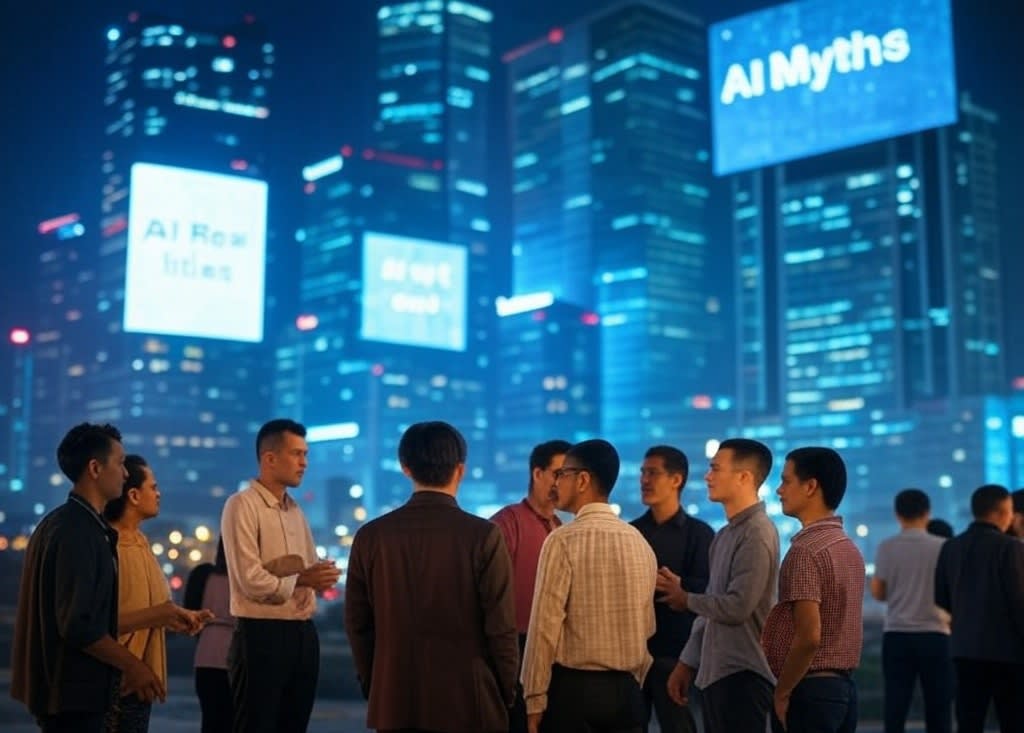
In a world where technology is constantly evolving Generative AI solutions have become a game-changer in so many fields. Whether you're into creating stunning artworks, writing engaging stories, or even designing the next big fashion trend, AI is making waves. But with all the buzz, there's also a fair share of confusion and myths floating around. Let's clear up some of these myths so we can truly appreciate what generative AI can do for us, without the fog of misunderstanding.
Myth 1: Generative AI Can Only Produce Low-Quality Content
Reality: One of the most widespread misconceptions is that AI-generated content lacks quality or originality.
In truth, modern generative AI solutions leverage sophisticated algorithms, including advanced neural networks like GANs (Generative Adversarial Networks) and transformers, which learn from vast datasets. These systems can now produce content that is not only high in quality but also surprisingly creative. For instance, AI has been used to write poetry, compose music, and even design fashion that rivals work by human professionals. The key here is the quality and variety of data used for training; the richer the data, the more nuanced and high-quality the output.
Example: Platforms like Jasper (formerly Jarvis) and Copy.ai have demonstrated that with the right prompts and data, AI can generate articles, blog posts, and marketing copy that are not only coherent but also engaging and tailored to specific audiences.
Myth 2: Generative AI Will Replace Human Creatives
Reality: The fear that AI will make human creatives obsolete is both common and understandable, but largely exaggerated.
Generative AI should be seen as a tool that complements human creativity rather than replacing it. AI can take over repetitive or time-consuming tasks, freeing up creatives to focus on more strategic or innovative aspects of their work. For example, AI can generate initial drafts or designs which human creatives can then refine, add depth to, or completely transform based on their unique insights and styles. This collaboration can lead to more innovative outcomes than either AI or human efforts alone might achieve.
Example: In graphic design, tools like Adobe's Firefly use AI to suggest design elements, but the final artistic vision and execution are still steered by human designers.
Myth 3: AI Content Generation is Ethically Questionable
Reality: Ethical concerns around AI, particularly in content generation, are valid but addressable.
One major concern is the originality of content - there's a fear that AI might plagiarize or reproduce copyrighted material. However, ethical AI practices involve training models on diverse, properly licensed datasets and ensuring outputs do not infringe on intellectual property. Additionally, transparency about AI use, especially in content creation, is becoming a standard practice to maintain trust.
Example: Some platforms now include AI detection tools or watermarks on AI-generated content to clarify its origin, enhancing transparency and ethical usage.
Myth 4: Generative AI is Too Complex to Implement
Reality: While generative AI involves complex technology at its core, its implementation is becoming more user-friendly.
Many companies are now offering user-friendly platforms where even those with minimal technical skills can harness generative AI. These platforms provide pre-trained models that require little more than input and guidance to produce results. Additionally, API integrations allow businesses to incorporate AI into existing workflows with minimal disruption.
Example: Tools like Hugging Face or Runway ML provide accessible interfaces for people to experiment with AI-generated content, from text to video, without needing deep technical knowledge.
Myth 5: AI Can't Understand Human Emotions or Context
Reality: Earlier versions of AI struggled with context and emotion, but recent advancements have significantly bridged this gap.
Contemporary generative AI solutions, especially those using large language models like those behind ChatGPT or DALL-E, have been trained on such a vast array of text that they can mimic understanding of human emotions and context quite effectively. While they don't "feel" emotions, they can interpret and reproduce nuanced human expressions based on learned patterns.
Example: AI tools are now used in customer service bots that not only respond appropriately to user queries but also adapt their tone based on the interaction's context, providing a more human-like experience.
Conclusion
Generative AI solutions are not just tools of the future; they are integral parts of our present, reshaping how we approach creativity, productivity, and innovation. By debunking these myths, we can better appreciate the potential of AI, embrace its capabilities, and responsibly integrate it into our professional and creative lives. As we continue to advance, the collaboration between human creativity and AI technology will likely yield even more groundbreaking results, pushing the boundaries of what's possible in art, science, and everyday life.
About the Creator
Techify Solutions INC
Techify stands as the fastest-growing global tech company, with a presence in India and the United States and a diverse client base spanning India, USA, Australia, and UAE.
Enjoyed the story? Support the Creator.
Subscribe for free to receive all their stories in your feed.
Comments
There are no comments for this story
Be the first to respond and start the conversation.